What Is Wild Salmon+? Benefits for Women's Healthy Ageing
Quick Answer
Wild salmon oil is a natural source of omega-3 fatty acids, including EPA and DHA, which contribute to the normal function of the heart. Wild salmon also naturally contains astaxanthin, a powerful antioxidant that gives salmon its distinctive pink colour. As part of a balanced diet and healthy lifestyle, high-quality wild salmon oil can help support healthy ageing, particularly for heart, brain and joint health.
Wild Salmon+ at a Glance
| Question | Quick Answer |
|---|---|
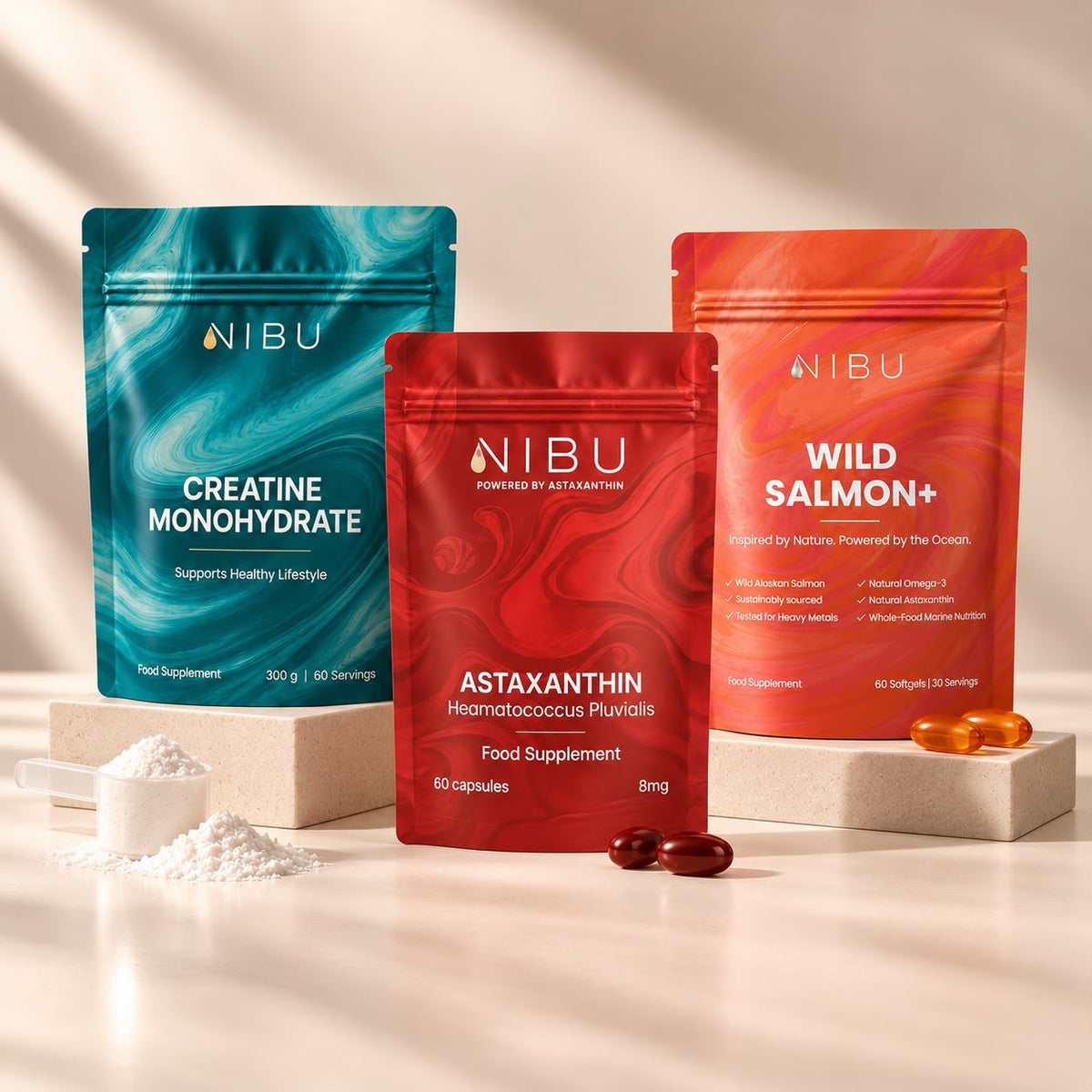
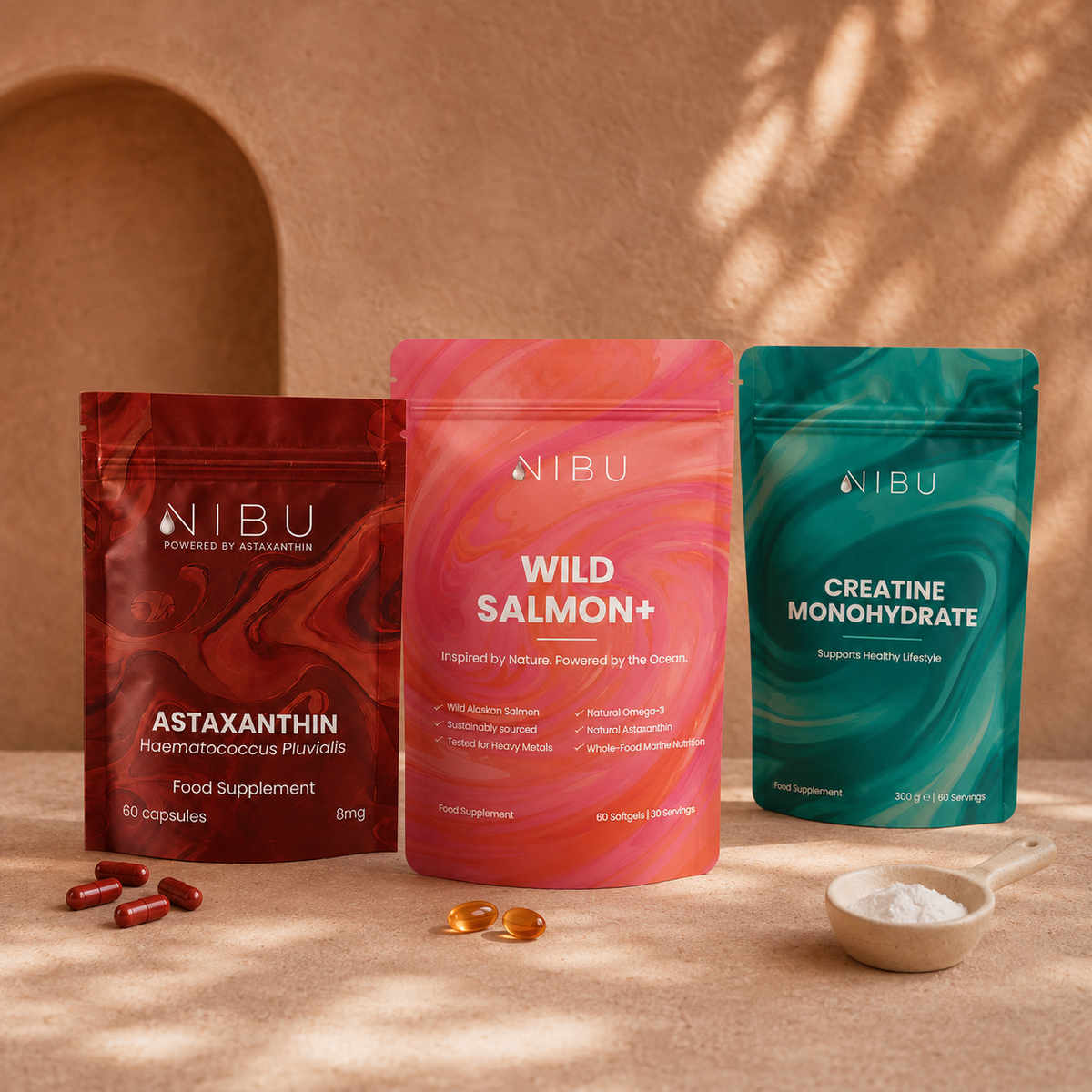
| What is Wild Salmon+? | A whole-food Wild Alaskan salmon oil supplement providing naturally occurring EPA, DHA and astaxanthin. |
| Who is it for? | Adults wanting to increase their intake of marine omega-3s as part of a healthy lifestyle. |
| What makes it different? | Made exclusively from Wild Alaskan salmon oil rather than a blend of fish oils. |
| Contains EPA and DHA? | Yes, naturally occurring marine omega-3 fatty acids. |
| Contains astaxanthin? | Yes, naturally occurring amounts from wild salmon. |
| How do I take it? | Two softgels daily with a meal. |
What You Will Learn
In this guide, we will explain:
- What Wild Salmon+ is.
- Why omega-3 fats are important.
- The difference between wild salmon oil and standard fish oil.
- What EPA and DHA actually do.
- Why wild salmon naturally contains astaxanthin.
- How to choose a quality supplement.
- Who may benefit from taking wild salmon oil.
What Is Wild Salmon Oil?
When most people think about omega-3 supplements, they picture fish oil capsules. But not all marine oils are the same.
Wild salmon oil is exactly what its name suggests. It is an oil naturally extracted from wild-caught salmon rather than from a blend of different fish species. Because it comes from the whole salmon, it provides a naturally balanced combination of omega-3 fatty acids alongside other naturally occurring marine nutrients.
At Nibu, we have chosen Wild Alaskan salmon oil because of its quality, sustainability and naturally occurring nutrient profile.
Unlike highly processed omega-3 concentrates, whole-food salmon oil retains the nutrients that naturally occur within the fish, creating a supplement that reflects the way these nutrients exist in nature.
Why Choose Wild Salmon Oil Instead of Standard Fish Oil?
Many omega-3 supplements provide EPA and DHA, but they do not all begin with the same source.
Traditional fish oils are often produced using a blend of oily fish such as anchovies, sardines or mackerel. Some products are then refined and concentrated to increase their omega-3 content.
Wild salmon oil takes a different approach. Rather than concentrating individual fatty acids, it provides the naturally occurring nutrient profile of Wild Alaskan salmon, including EPA, DHA and naturally occurring astaxanthin.
Neither approach is automatically better for everyone. The right choice depends on your preferences, nutritional goals and the type of supplement you are looking for.
For people who value whole-food nutrition and transparent sourcing, wild salmon oil offers a distinctive alternative.
Why Are Omega-3 Fats So Important?
Despite receiving a lot of attention, omega-3 fatty acids are often misunderstood.
Omega-3s are a family of essential fats. The word essential means your body cannot produce enough on its own, so they need to come from your diet.
The three most recognised omega-3 fatty acids are:
- ALA (Alpha-linolenic acid), found mainly in plant foods such as flaxseed, chia seeds and walnuts.
- EPA (Eicosapentaenoic acid), found primarily in oily fish.
- DHA (Docosahexaenoic acid), also found mainly in oily fish.
Although all three are important, EPA and DHA are the forms most closely associated with many of the recognised health benefits of marine omega-3s.
For many people, regularly eating oily fish can be difficult. Busy lifestyles, changing food preferences and concerns about sustainability mean that intake often falls below recommended levels. A high-quality wild salmon oil supplement can provide a convenient way to increase your intake of these important marine omega-3s.
EPA and DHA Explained Simply
You will often see EPA and DHA listed on the label of an omega-3 supplement, but what do they actually do? Think of EPA and DHA as two members of the same family, each with slightly different strengths.
EPA
EPA is widely recognised for its role in supporting cardiovascular health. According to authorised UK and EU health claims, EPA and DHA contribute to the normal function of the heart when consumed in sufficient daily amounts. EPA is also an important structural component of cell membranes throughout the body.
DHA
DHA is particularly abundant in the brain and eyes. It forms part of the structure of nerve cells and contributes to the maintenance of normal brain function and normal vision when consumed as part of a balanced diet.
Although EPA and DHA have different primary roles, they naturally occur together in oily fish such as salmon, which is why many nutrition experts recommend obtaining both together rather than focusing on one alone.
Why Choose Wild Alaskan Salmon?
Not all salmon is the same.
Wild Alaskan salmon spends its life swimming freely in cold, nutrient-rich waters, feeding on its natural marine diet. This active lifestyle, together with its natural marine diet, contributes to the nutritional profile of the fish and is one reason why wild salmon has long been valued as part of a healthy diet.
Wild salmon also naturally contains astaxanthin, the antioxidant responsible for its distinctive pink-red colour. Unlike some farmed salmon, where colour may be influenced by feed formulations, wild salmon develops its colour naturally through its diet.
This combination of marine omega-3 fatty acids and naturally occurring astaxanthin is one of the reasons wild salmon is often considered a unique whole-food source of nutrition.
Whole-Food Salmon Oil vs Standard Fish Oil
Walk down the supplement aisle and you will find dozens of different omega-3 products. While they may look similar, there can be important differences in where they come from and how they are produced.
Traditional fish oil is often made from a blend of oily fish species such as anchovies, sardines and mackerel. These oils are then refined and, in some cases, concentrated to increase the amount of EPA and DHA.
Wild salmon oil takes a different approach. Rather than concentrating individual fatty acids, it retains the naturally occurring balance of nutrients found in wild salmon. This means the oil provides omega-3 fatty acids alongside other naturally occurring marine compounds, including astaxanthin.
Neither approach is necessarily better for everyone, but if you are looking for a supplement that reflects the nutritional profile of whole wild salmon, salmon oil offers a unique alternative.
| Feature | Wild Salmon Oil | Standard Fish Oil |
|---|---|---|
| Source | Wild Alaskan salmon | Usually mixed oily fish |
| EPA and DHA | Naturally occurring | Naturally occurring or concentrated |
| Naturally occurring astaxanthin | Yes | Usually absent |
| Whole-food nutrient profile | Yes | Varies between products |
| Sustainably sourced options | Available | Varies |
| Suitable for daily use | Yes | Yes |
The most important factor is not simply choosing salmon oil or fish oil. It is choosing a high-quality product from a trusted manufacturer that provides clear information about its ingredients, sourcing and quality standards.
Wild Salmon Naturally Contains Astaxanthin
One of the things that makes wild salmon unique is its naturally occurring astaxanthin.
Astaxanthin is a red carotenoid antioxidant that wild salmon obtain naturally through their marine diet. It gives wild salmon their distinctive pink-red colour and plays an important role in protecting the fish during its long migrations.
Although wild salmon oil contains much smaller amounts of astaxanthin than a dedicated astaxanthin supplement, it remains a naturally occurring part of the oil's nutritional profile.
At Nibu, astaxanthin has always been central to our philosophy. From our skincare range to our supplements, we are passionate about helping women understand the science behind this remarkable antioxidant and its role within a balanced, healthy lifestyle.
Benefits of Wild Salmon Oil for Women's Healthy Ageing
Healthy ageing is not about finding a single nutrient that does everything. It is about building daily habits that support your body over time. As part of a balanced diet and healthy lifestyle, marine omega-3 fatty acids can play an important role in that journey.
Heart Health
EPA and DHA contribute to the normal function of the heart when consumed in sufficient daily amounts. Supporting cardiovascular health becomes increasingly important as we age, making omega-3-rich foods and supplements a valuable addition to many women's diets.
Brain Function
DHA is an important structural component of the brain. Adequate intake contributes to the maintenance of normal brain function, making it an important nutrient throughout adulthood.
Vision
DHA also contributes to the maintenance of normal vision. Because DHA is highly concentrated in the retina, maintaining an adequate intake is important for long-term eye health.
Joint Comfort and Mobility
Many women begin thinking more about joint health as they move through their forties and beyond. While no supplement can replace regular movement, strength training and maintaining a healthy body weight, ensuring adequate omega-3 intake forms part of an overall healthy lifestyle that supports long-term mobility.
Supporting Healthy Ageing
Healthy ageing is about protecting the systems that help you remain active, independent and resilient throughout life. Alongside regular exercise, quality sleep, a balanced diet and stress management, nutrients such as omega-3 fatty acids can help form part of a sustainable approach to wellbeing. That is why we encourage people to think about supplements as part of the bigger picture, rather than expecting one product to do everything.
Why Doesn't NIBU Make Big Health Claims?
If you have compared omega-3 supplements online, you have probably noticed that some products promise everything from improved memory and glowing skin to healthier joints and better mood. The science is more nuanced than that.
Omega-3 fatty acids have been studied extensively, but the strength of evidence varies depending on the health outcome being investigated. Some benefits, such as the authorised claims relating to heart function, are well established. Other areas continue to be researched and should be interpreted more cautiously.
At NIBU, we believe supplements should be explained honestly. That means celebrating what current evidence supports while being equally open about what it does not yet prove. Our aim is to help you make informed decisions, not overwhelm you with exaggerated promises.
Who May Benefit from Wild Salmon+?
Wild salmon oil may be a useful addition for adults looking to increase their intake of marine omega-3 fatty acids, particularly if they do not regularly eat oily fish. It may be especially suitable for:
- Women looking to support healthy ageing.
- Adults who eat little or no oily fish.
- Those wanting a convenient source of EPA and DHA.
- People looking for a whole-food marine oil rather than a highly concentrated fish oil.
- Anyone wanting to build a simple daily wellness routine.
Remember, supplements are intended to complement a varied, balanced diet and healthy lifestyle. They should never replace nutritious foods or healthy habits.
How to Choose a Quality Wild Salmon Oil Supplement
Not all supplements are created equally. When comparing products, consider the following:
Look for a Clearly Identified Source
A quality supplement should tell you exactly where the oil comes from. Our Wild Salmon+ is made using Wild Alaskan salmon oil, chosen for its quality and naturally occurring nutrient profile.
Check the EPA and DHA Content
Rather than looking only at the total amount of fish oil, check how much EPA and DHA each serving provides. These are the omega-3 fatty acids associated with authorised health benefits.
Choose a Transparent Brand
A reputable company should clearly explain:
- Where its ingredients come from.
- How the product is manufactured.
- What each serving provides.
- Any allergens.
- Recommended daily intake.
Transparency builds trust, and it is something we believe should be standard across the supplement industry.
How to Take Wild Salmon+
For most adults, Wild Salmon+ is simple to incorporate into a daily routine. Take two softgels daily with a meal, ideally at the same time each day.
Taking omega-3 supplements alongside food may help improve absorption and makes them easier to remember as part of your everyday routine. Consistency matters far more than perfection. Small habits repeated over time are often what make the biggest difference.
Myth vs Fact
Myth: All omega-3 supplements are exactly the same.
Fact: While all omega-3 supplements provide marine fatty acids, they can differ significantly in their source, processing methods, nutrient profile and quality. Wild salmon oil provides naturally occurring EPA, DHA and astaxanthin as part of its whole-food nutrient profile.
Myth: If I eat fish occasionally, I do not need to think about omega-3.
Fact: The NHS recommends eating at least two portions of fish each week, including one portion of oily fish. Many adults fall short of this recommendation, which is one reason omega-3 supplements remain popular.
Myth: More omega-3 is always better.
Fact: Taking more is not necessarily better. The aim is to achieve an appropriate intake as part of a balanced diet. Always follow the recommended serving unless advised otherwise by your healthcare professional.
Myth: Wild salmon oil replaces a healthy diet.
Fact: No supplement can replace nutritious food, regular exercise, quality sleep and healthy lifestyle habits. Wild Salmon+ is designed to complement a balanced lifestyle, not replace it.
Frequently Asked Questions
What is Wild Salmon+?
Wild Salmon+ is a premium supplement made using Wild Alaskan salmon oil. It naturally provides marine omega-3 fatty acids, including EPA and DHA, alongside naturally occurring astaxanthin.
Is Wild Salmon+ the same as fish oil?
Not exactly. Traditional fish oil is often produced from a blend of oily fish species. Wild Salmon+ is made exclusively from Wild Alaskan salmon oil, providing a naturally balanced whole-food marine oil.
What are EPA and DHA?
EPA and DHA are long-chain omega-3 fatty acids naturally found in oily fish. According to authorised UK and EU health claims, EPA and DHA contribute to the normal function of the heart when consumed in sufficient daily amounts. DHA also contributes to the maintenance of normal brain function and normal vision under the conditions of use.
Does Wild Salmon+ contain astaxanthin?
Yes. Wild salmon naturally contains small amounts of astaxanthin, the antioxidant responsible for its distinctive pink-red colour. If your goal is specifically to increase astaxanthin intake, a dedicated astaxanthin supplement will typically provide much higher levels than salmon oil alone.
Who should consider taking Wild Salmon+?
Wild Salmon+ may be suitable for adults who do not regularly eat oily fish, want to increase their intake of marine omega-3s, are looking to support heart health as part of a healthy lifestyle, or prefer a whole-food marine oil.
Can I take Wild Salmon+ every day?
Yes. Wild Salmon+ is designed for daily use. Simply take two softgels daily with a meal, or follow the instructions on the label.
Can I take Wild Salmon+ with creatine?
Yes. Wild Salmon+ and creatine work in different ways and can form part of the same daily wellness routine alongside a balanced diet and regular exercise.
Is Wild Salmon+ suitable during menopause?
Many women choose to prioritise nutrients such as omega-3 during perimenopause and menopause as part of an overall healthy lifestyle. If you are pregnant, breastfeeding, taking medication or have a medical condition, speak to your GP or another qualified healthcare professional before taking any new supplement.
How long does it take to notice a difference?
Everyone is different. Supplements work best when taken consistently over time alongside healthy lifestyle habits. They are not intended to provide an immediate effect.
Key Takeaways
- Wild salmon oil is a natural source of EPA and DHA.
- Wild salmon also naturally contains astaxanthin.
- EPA and DHA contribute to the normal function of the heart.
- DHA also contributes to the maintenance of normal brain function and normal vision under the conditions of use.
- Wild Salmon+ complements a healthy diet and lifestyle rather than replacing them.
- Consistency is more important than looking for a quick fix.
The Nibu Longevity Take
At Nibu, we believe healthy ageing is not built on one perfect supplement or one perfect meal. It is built on the choices you make every day.
Choosing nourishing foods, staying active, prioritising sleep and managing stress all lay the foundations for long-term wellbeing. Supplements can help fill nutritional gaps and support those habits, but they are only one piece of the puzzle.
Wild Salmon+ reflects this philosophy. It is not about chasing trends or promising miracles. It is about providing a high-quality, naturally sourced omega-3 supplement that fits into a balanced, sustainable lifestyle.
Healthy ageing is a journey, not a destination. The small habits you repeat consistently today can help support your health for years to come.
Conclusion
Wild salmon oil offers a natural, whole-food source of marine omega-3 fatty acids, providing EPA, DHA and naturally occurring astaxanthin in a single supplement.
While no supplement can replace a healthy lifestyle, ensuring an adequate intake of omega-3 is one way to support your overall wellbeing. Whether you are thinking about your heart, brain, vision or simply investing in your long-term health, choosing a high-quality wild salmon oil can be a valuable addition to your daily routine.
At Nibu, our goal is to make healthy ageing simple, evidence-based and accessible.
Healthy ageing is not created by one supplement or one perfect decision. It is built through the habits you repeat every day.
- Eating well.
- Moving your body.
- Sleeping enough.
- Managing stress.
- Looking after your heart and brain.
Wild Salmon+ is designed to support that journey, not replace it.
Because at NIBU, we believe the strongest foundations for healthy ageing will always be knowledge, consistency and evidence-based choices.
References
- European Food Safety Authority (EFSA). Scientific Opinion on Dietary Reference Values for Fats, including Saturated Fatty Acids, Polyunsaturated Fatty Acids, Monounsaturated Fatty Acids, Trans Fatty Acids and Cholesterol. EFSA Journal. 2010.
- European Commission. EU Register of Nutrition and Health Claims Made on Foods. Accessed 2026.
- NHS. Eat Well Guide: Fish and Shellfish. Available at: https://www.nhs.uk/live-well/eat-well/food-types/fish-and-shellfish-nutrition/
- Calder PC. Omega-3 fatty acids and inflammatory processes. Nutrients. 2010;2(3):355-374.
- Abdelhamid AS, et al. Omega-3 fatty acids for the primary and secondary prevention of cardiovascular disease. Cochrane Database of Systematic Reviews. 2020.
- Swanson D, Block R, Mousa SA. Omega-3 fatty acids EPA and DHA: health benefits throughout life. Advances in Nutrition. 2012;3(1):1-7.
- Nichols PD, et al. Nutritional value of fish oil and seafood-derived omega-3 fatty acids. Marine Drugs. 2014;12(3):1282-1303.
- Shahidi F, Ambigaipalan P. Omega-3 polyunsaturated fatty acids and their health benefits. Annual Review of Food Science and Technology. 2018;9:345-381.
- EFSA Panel on Dietetic Products, Nutrition and Allergies. Scientific Opinion on DHA and maintenance of normal brain function and vision. EFSA Journal.
- Global Organization for EPA and DHA Omega-3s (GOED). Omega-3 Reference and Science Resources.
Continue Reading
Readers may also enjoy:
- Salmon Oil vs Fish Oil: What's the Difference?
- Astaxanthin and Creatine: The Perfect Pair for Skin, Strength and Healthy Ageing
- The Complete Guide to Astaxanthin
- Healthy Ageing After 40: 10 Evidence-Based Habits Every Woman Should Know
- What Is Longevity? A Beginner's Guide
About The Nibu Journal
The Nibu Journal is our evidence-based resource dedicated to helping women make informed decisions about healthy ageing, nutrition, supplements and skin health. Every article is written to explain the science clearly, so you can feel confident in the choices you make for your wellbeing.
Medical Disclaimer
The information in this article is intended for educational purposes only and should not be considered medical advice. Food supplements should not be used as a substitute for a varied, balanced diet and a healthy lifestyle. If you are pregnant, breastfeeding, taking medication or have a medical condition, consult your GP or another qualified healthcare professional before taking any new supplement.

Read more
The Complete Guide to Astaxanthin: Benefits, Dosage, Safety and How It Works
Astaxanthin is the red-orange carotenoid behind the distinctive colour of wild salmon. This complete guide explores where it comes from, how it works, its potential benefits, dosage, safety and how...
Read more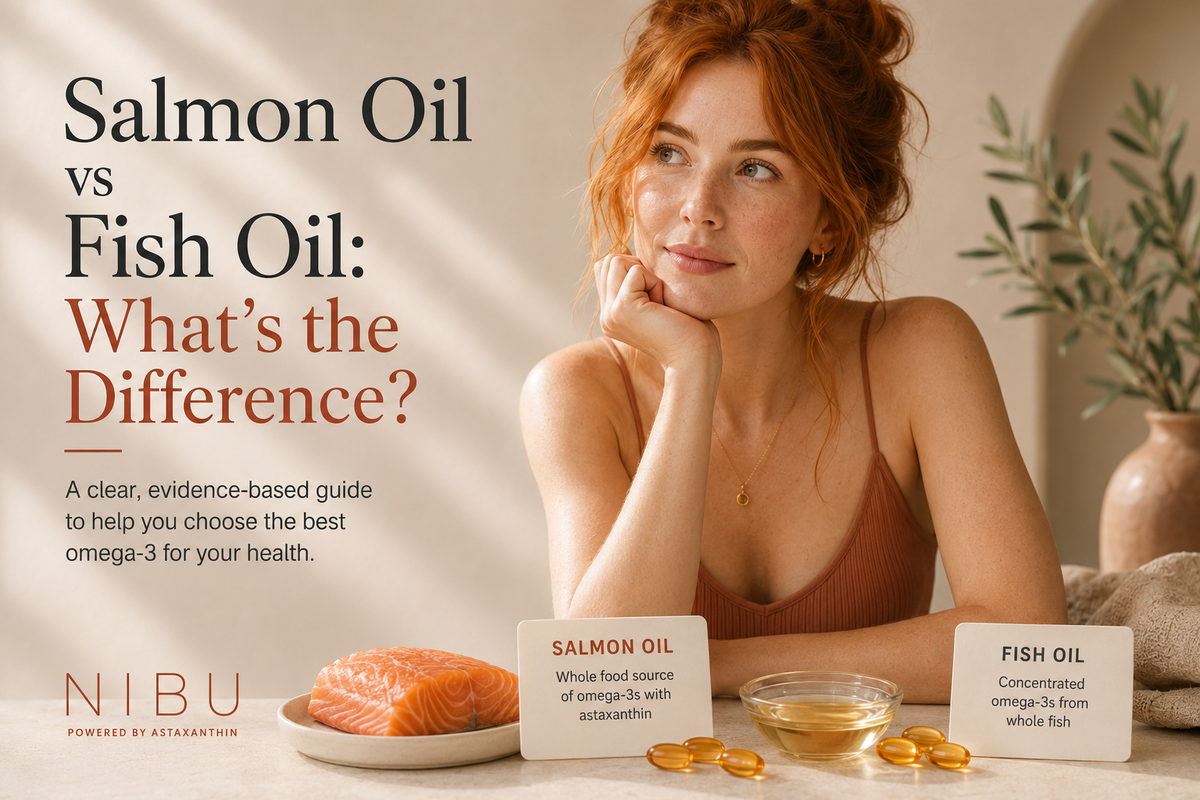
Salmon Oil vs Fish Oil: What's the Difference?
Quick Answer Although salmon oil is a type of fish oil, not all fish oils are salmon oil. Fish oil is a broad term covering oils extracted from many species of oily fish, including anchovies, sardi...
Read moreShop
Best Sellers