Does Creatine Make Women Gain Weight? Water Weight vs Fat Gain Explained
What You'll Learn
- Why can creatine increase the number on the scales without increasing body fat?
- The difference between water weight, muscle and fat gain.
- Why body composition matters more than body weight.
- Whether creatine causes bloating.
- Why is creatine becoming increasingly popular among women over 40?
- How creatine may support healthy ageing when combined with resistance training.
- What the current scientific evidence really says.
Quick Answer
Does creatine make women gain weight?
The short answer is yes, but not in the way most women worry about.
Creatine does not directly cause fat gain. Instead, it increases the amount of water stored inside your muscle cells, which may cause a small increase in body weight during the first few weeks of supplementation.
For many women, this temporary increase on the scales is simply a sign that creatine is working as expected. When combined with resistance training and a balanced diet, creatine may help improve body composition by supporting lean muscle while reducing body fat over time.
The number on the scales may change, but that doesn't necessarily mean you've gained fat.
Why This Question Matters
Few supplements have been researched as extensively as creatine, yet few are surrounded by as many misconceptions, especially among women.
One of the biggest concerns we hear is:
I don't want to take creatine because I don't want to gain weight.
It's completely understandable.
For many women, particularly during perimenopause and menopause, changes in body weight can already feel frustrating. The idea of taking a supplement that might make the scales go up is enough to put many people off before they've even looked at the evidence.
The reality, however, is much more reassuring.
Creatine doesn't work like a weight-gain supplement. It doesn't increase body fat. It doesn't slow your metabolism. And it certainly doesn't make women bulky.
Instead, the small increase in body weight that some people experience is largely explained by one simple concept: water inside your muscles.
Understanding the difference between water weight, muscle and fat is the key to understanding creatine.
What Actually Happens When You Start Taking Creatine?
Creatine is naturally stored inside your muscles, where it plays an important role in producing quick bursts of energy during activities such as lifting weights, climbing stairs or sprinting.
When you begin supplementing with creatine, your muscles gradually store more of it. As this happens, something else happens too. Creatine attracts water into the muscle cells.
This is known as intracellular water retention.
Imagine a sponge soaking up water. As the sponge absorbs water, it becomes fuller and slightly heavier, but it hasn't become something different. Your muscles respond similarly. They hold slightly more water within the muscle tissue itself.
For some women, this may result in a small increase in body weight of around 0.5–1.5 kg (1–3 lbs) during the first few weeks.
Importantly, this is not body fat. It increases hydration inside healthy muscle tissue.
Myth vs Fact
Myth: Creatine makes women gain fat.
Fact: Creatine does not directly increase body fat. The small increase in body weight some women notice is usually due to extra water stored in muscle cells, not to an increase in fat tissue.
Water Weight vs Fat Gain: What's the Difference?
This is one of the biggest areas of confusion. Although both can increase the number on the scales, they are completely different.
| Water Weight | Body Fat |
|---|---|
| Stored inside muscle cells | Stored in fat tissue |
| Can increase within days | Usually develops gradually over weeks or months |
| Supports normal muscle function | Occurs when energy intake consistently exceeds energy expenditure |
| Often temporary | More difficult to lose |
| Does not mean you've gained fat | Represents increased body fat stores |
Understanding this difference can completely change how you view your progress. Many women become discouraged when the scales move up by a kilogram after starting creatine. In reality, they may actually be building healthier muscle while simultaneously losing body fat. The scales simply don't tell the whole story.
Why Body Composition Matters More Than Body Weight
At Nibu, we believe one of the biggest mindset shifts women can make is moving away from chasing a lower number on the scales and focusing instead on improving body composition.
Body composition describes what your body is made up of, including:
- Lean muscle mass
- Body fat
- Bone
- Water
Two women may weigh exactly the same, yet have completely different body compositions. One may have more lean muscle and less body fat. The other may have less muscle and more body fat. Although their weight is identical, their strength, metabolism and long-term health may be very different.
This becomes increasingly important after the age of 40, when women naturally begin to lose muscle mass if it isn't maintained through resistance training and adequate protein intake.
Supporting muscle isn't just about looking toned. It's about protecting strength, mobility and independence for years to come.
Does Creatine Cause Bloating?
One of the most common misconceptions about creatine is that it causes bloating. In reality, the answer is more nuanced.
When people talk about bloating, they are usually referring to fluid sitting beneath the skin or around the stomach, creating a swollen or puffy feeling. Creatine works differently. The extra water associated with creatine is primarily stored inside muscle cells, not under the skin. This is known as intracellular water retention, and it's part of the way creatine supports muscle function.
Some people may experience mild digestive discomfort if they take large amounts of creatine at once, particularly during a loading phase. This is why many experts recommend simply taking 3–5 grams of creatine monohydrate daily, rather than using a loading protocol.
For most women, creatine should not cause noticeable bloating when taken at the recommended dose.
Why Creatine May Be Especially Beneficial After 40
As women move through their 40s and beyond, maintaining muscle becomes increasingly important.
From around the age of 30, we naturally begin to lose muscle mass, a process that can accelerate during perimenopause and menopause as oestrogen levels decline.
This loss of muscle doesn't just affect strength. It can also influence:
- Metabolic health
- Balance and stability
- Bone health
- Recovery from exercise
- Everyday physical function
Research suggests resistance training remains the most effective way to preserve muscle as we age. Creatine isn't a substitute for exercise, but it may complement a well-designed strength training programme by helping support muscle performance, recovery and lean muscle maintenance.
This is one of the reasons creatine is attracting increasing attention as a healthy ageing supplement, not just a sports nutrition product.
What Does the Research Say?
A growing body of evidence supports creatine as one of the most extensively researched supplements available.
Studies suggest that when combined with resistance training, creatine supplementation may help:
- Improve strength
- Support lean muscle mass
- Enhance exercise performance
- Improve recovery from high-intensity exercise
Emerging research has also explored creatine's role in healthy ageing, particularly among older adults and postmenopausal women. While more research is still needed in some areas, current evidence suggests creatine may play a valuable role as part of a broader healthy ageing strategy that includes:
- Resistance training
- Adequate protein intake
- Good sleep
- A balanced diet
It's important to remember that creatine is not a magic solution. Its benefits are greatest when combined with healthy lifestyle habits.
Creatine vs Traditional Weight-Loss Supplements
| Creatine | Traditional Fat Burners |
|---|---|
| Supports muscle performance | Often relies on stimulants |
| May help preserve lean muscle | Does not usually support muscle maintenance |
| Does not directly burn fat | May slightly increase calorie expenditure |
| Backed by decades of research | Evidence often varies considerably |
| Suitable for long-term use in healthy adults | Some products are intended for short-term use only |
Who Might Benefit from Creatine?
Creatine may be worth considering if you:
- Are strength training regularly.
- Want to preserve muscle while losing body fat.
- Are over the age of 40.
- Are in perimenopause or menopause.
- Follow a vegetarian or vegan diet.
- Want to support healthy ageing and physical function.
As always, supplementation should complement, not replace, a balanced diet and active lifestyle.
Common Questions
Does creatine make women gain fat?
No. Current evidence does not suggest that creatine directly increases body fat. Any initial increase in body weight is usually due to water being stored inside muscle cells.
How much weight do women usually gain when starting creatine?
Some women may notice a temporary increase of around 0.5–1.5 kg (1–3 lbs) during the first few weeks. This varies between individuals and is primarily due to increased muscle hydration.
Will creatine make me look bigger?
Not in the way many women fear. Some women notice their muscles appear slightly fuller or firmer due to increased muscle hydration, particularly when exercising regularly. This is very different from gaining body fat.
Can I lose fat while taking creatine?
Yes. Creatine does not prevent fat loss. In fact, by supporting training performance and lean muscle maintenance, it may help improve body composition over time when combined with a calorie-controlled diet and resistance training.
Is creatine suitable during menopause?
Emerging research suggests creatine may be particularly beneficial during perimenopause and menopause, when maintaining muscle strength and physical function becomes increasingly important.
Key Takeaways
- Creatine does not directly cause fat gain.
- Initial weight gain is usually caused by water stored inside muscle cells.
- Body composition is a more useful measure of progress than body weight alone.
- Creatine may help preserve lean muscle during healthy ageing.
- Resistance training remains the foundation of muscle health.
- Creatine works best as part of an overall healthy lifestyle.
- The scales don't always tell the full story.
The Nibu Longevity Take
At Nibu, we believe healthy ageing isn't about chasing the lowest number on the scales. It's about building a body that supports you for decades to come.
Muscle is one of your greatest long-term health assets. It supports movement, metabolism, balance and independence as you age.
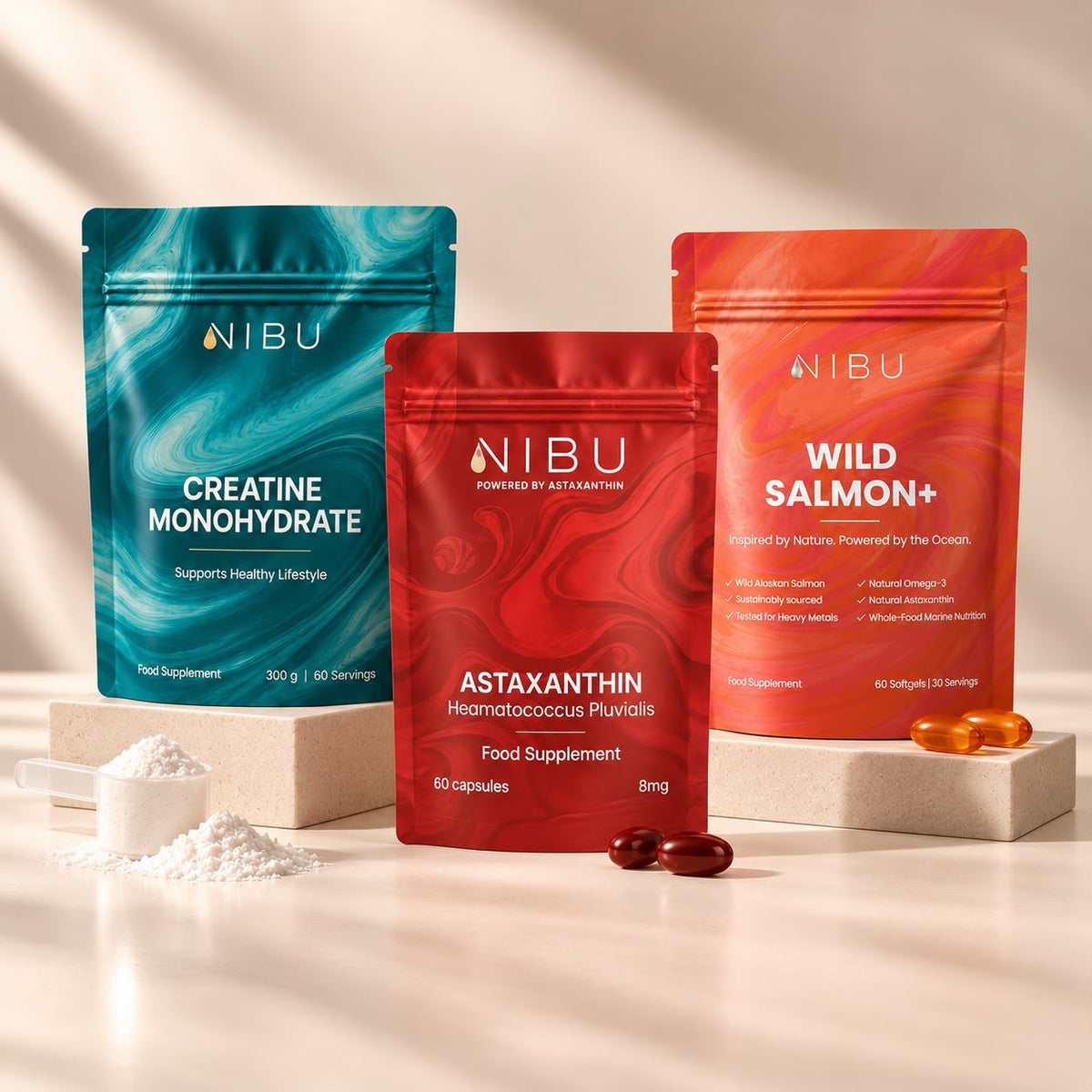
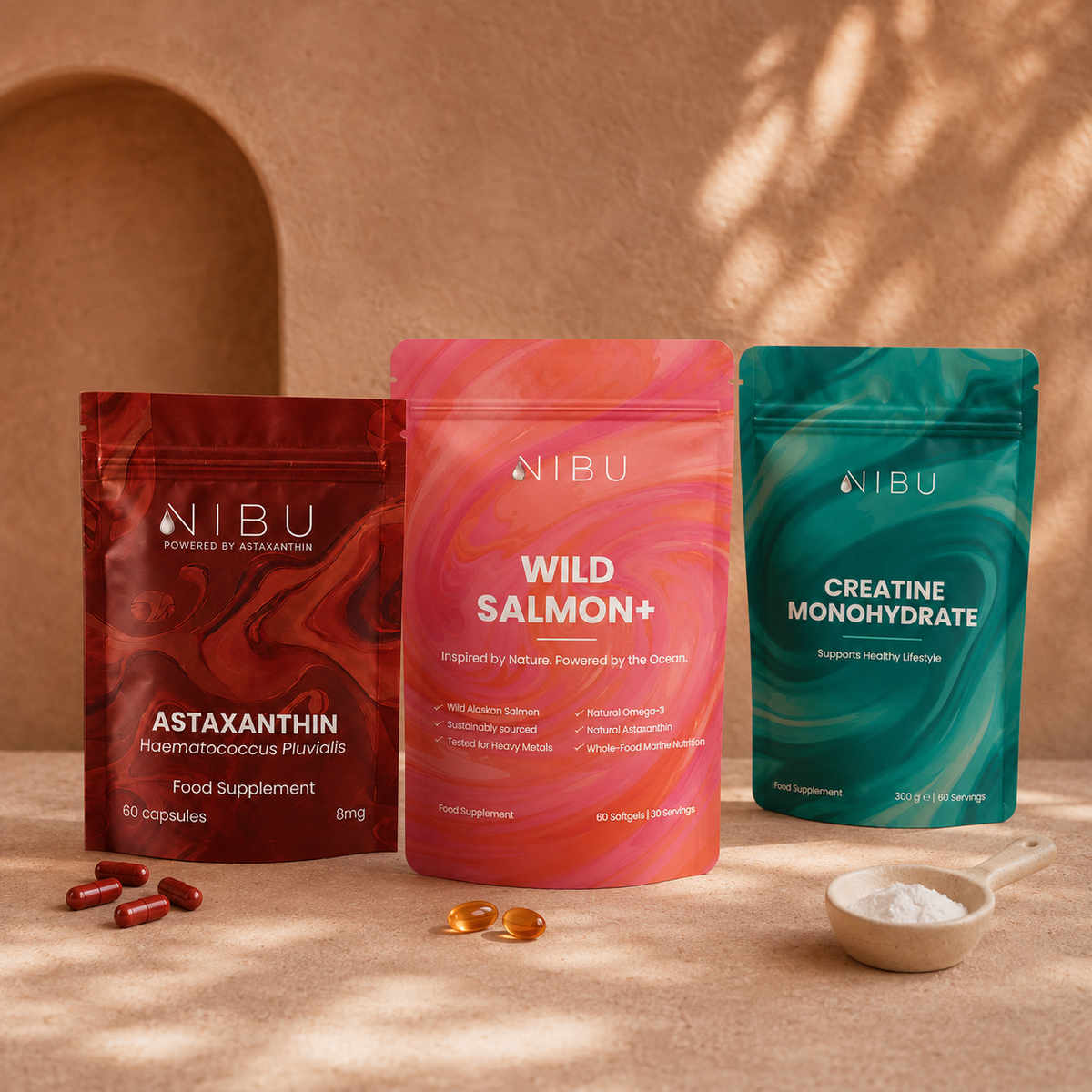
Nibu's Creatine Monohydrate isn't a shortcut to weight loss, nor is it a supplement that makes women gain fat. Instead, it may help support one of the most important investments you can make in your future health, preserving lean muscle.
When combined with regular strength training, nourishing food, restorative sleep and consistent movement, creatine can become part of a lifestyle focused not simply on living longer, but on living stronger.
That's what healthy ageing means to us. That's the Nibu way.
How We Researched This Article
This article is based on current peer-reviewed scientific research, including systematic reviews, position stands and randomised controlled trials where available.
At Nibu Naturals, our aim is to translate complex nutrition and health research into clear, practical information that empowers women to make informed decisions about their wellbeing. Our content is educational in nature and should not replace personalised medical advice from a qualified healthcare professional.
References
- Kreider RB, et al. International Society of Sports Nutrition Position Stand: Safety and Efficacy of Creatine Supplementation in Exercise, Sport, and Medicine. Journal of the International Society of Sports Nutrition. 2022.
- Candow DG, et al. Creatine Supplementation in Aging Populations. Nutrients. 2021.
- Forbes SC, et al. International Society of Sports Nutrition Position Stand: Creatine Supplementation in Women's Health. Journal of the International Society of Sports Nutrition. 2025.
- Chilibeck PD, et al. Effect of Creatine Supplementation During Resistance Training on Lean Tissue Mass and Muscular Strength in Older Adults: A Meta-analysis. Open Access Journal of Sports Medicine. 2017.
- Antonio J, et al. Common Questions and Misconceptions About Creatine Supplementation. Journal of the International Society of Sports Nutrition. 2021.
About The Nibu Journal
The Nibu Journal is the educational resource from Nibu Naturals, dedicated to evidence-based healthy ageing, women's wellness and longevity.
Every article is independently researched using current scientific evidence, reviewed before publication and written to make complex health topics clear, practical and easy to understand.
Our mission is to empower women with trustworthy, science-led information, helping them make informed decisions about nutrition, supplementation and healthy ageing, so they can feel stronger, healthier and thrive at every stage of life.
Medical Disclaimer
The information in this article is intended for educational purposes only and should not be considered medical advice. Food supplements should not be used as a substitute for a varied, balanced diet and a healthy lifestyle. If you are pregnant, breastfeeding, taking medication or have a medical condition, please consult your GP, pharmacist or another qualified healthcare professional before taking any food supplement.

Read more

Creatine and Weight Loss for Women: What the Science Actually Says
What You’ll Learn Creatine does not directly burn fat Creatine may help improve body composition during weight loss Initial weight gain from creatine is usually water stored inside muscle cells — n...
Read more
Inflammaging: The Hidden Cause of Ageing (And What You Can Do About It)
Inflammaging: The Hidden Cause of Ageing (And What You Can Do About It) When most people think about ageing, they imagine wrinkles, grey hair, or aching joints. But beneath the surface, another pro...
Read moreShop
Best Sellers