What Is Longevity? A Beginner's Guide to Living Longer and Healthier
Quick Answer
Longevity is the science and practice of living a longer, healthier life. It is not simply about increasing the number of years you live, but improving the quality of those years by maintaining physical strength, cognitive function, metabolic health, resilience and independence. Healthy ageing is influenced by daily habits such as nutrition, exercise, sleep, stress management and social connection, alongside genetics and environmental factors.
What You'll Learn
In this guide you'll discover:
- What longevity actually means
- The difference between lifespan and healthspan
- Why women should think differently about healthy ageing
- The biggest factors that influence ageing
- Common myths about longevity
- Evidence-based habits that support healthy ageing
- Why it's never too early or too late to invest in your future health
Introduction
Most of us hope to live a long life. But perhaps the more important question is this: what kind of life will those extra years bring?
Living longer has little meaning if those extra years are spent struggling with poor health, limited mobility or a loss of independence.
True longevity isn't simply about reaching a particular birthday. It's about living well for as long as possible, staying healthy enough to enjoy the years you have, with the strength to remain active, the clarity to keep learning, the independence to live life on your own terms, and the energy to spend time with the people you love.
Imagine two women who both live until the age of 90. One spends the last twenty years managing multiple chronic illnesses, struggling with mobility and relying heavily on medication. The other remains active, independent, mentally sharp and continues travelling, exercising, enjoying hobbies and spending time with family well into later life.
Both women reached the same age. Only one experienced what scientists call a longer healthspan. That difference is what longevity research is trying to understand.
Over the past two decades, scientists have discovered that many aspects of ageing are influenced by lifestyle. While we cannot stop the passage of time, we can often influence how our bodies and minds age.
For women, this is especially important. Hormonal changes during midlife, changes in muscle mass, bone density, skin health and metabolism all interact with the ageing process in unique ways.
Longevity isn't about chasing perfection. It's about making choices today that help your future self stay healthier tomorrow.
What Does Longevity Mean?
In simple terms, longevity means living a long life. However, modern longevity science has expanded that definition considerably. Researchers now focus on two separate but related concepts:
| Lifespan | Healthspan |
|---|---|
| The total number of years you live. | The number of years you remain healthy, active and independent. |
Increasing lifespan without improving healthspan means living longer while experiencing more years of illness or disability. Increasing healthspan means enjoying more years with energy, mobility, clear thinking and independence.
Rather than asking "How can we live longer?", scientists increasingly ask "How can we stay healthier for longer?" That subtle difference changes everything.
Why Healthspan Matters More Than Lifespan
Most people don't simply want more birthdays. They want more healthy birthdays.
Research consistently shows that the biggest concerns people have about ageing include losing independence, developing memory problems, reduced mobility, chronic pain, frailty, cardiovascular disease, diabetes and poor quality of life.
Healthy longevity aims to delay these problems for as long as possible. Instead of adding years to life, it focuses on adding life to years.
This philosophy sits at the heart of Nibu's approach to healthy ageing. The goal isn't to promise eternal youth. It's to help women remain strong, confident and resilient throughout every stage of life.
Why Do We Age?
Ageing is a natural biological process that affects every cell in the body. Over time, our cells gradually accumulate damage from everyday life. This damage comes from a combination of factors, including oxidative stress, chronic low-grade inflammation (inflammaging), DNA damage, hormonal changes, reduced muscle mass, mitochondrial dysfunction, environmental exposures and poor lifestyle habits.
Fortunately, many of these processes are influenced by our daily choices. While we cannot eliminate ageing, we can often slow some of the biological changes associated with it through evidence-based lifestyle habits.
This is why healthy ageing isn't about finding one miracle supplement or following a fashionable diet. It's about consistently supporting the body's natural repair and maintenance systems.
The Pillars of Healthy Longevity
If there were a single secret to longevity, scientists would have found it by now. Instead, decades of research show that healthy ageing is the result of many small decisions made consistently over time.
Think of longevity like building a house. A strong home isn't held up by a single wall or one perfect brick. It relies on multiple foundations working together. If one becomes weak, the whole structure is affected. Your health works in much the same way.
1. Nutrition
Every cell in your body relies on nutrients to repair, regenerate and function properly. A diet rich in vegetables, fruit, whole grains, legumes, nuts, seeds, healthy fats and quality protein provides the vitamins, minerals and plant compounds your body needs to maintain good health.
Research consistently links dietary patterns such as the Mediterranean diet with lower risks of cardiovascular disease, type 2 diabetes, cognitive decline and overall mortality. Healthy nutrition also helps regulate blood sugar, reduce chronic inflammation and protect against oxidative stress, all of which play important roles in the ageing process.
Instead of focusing on restrictive diets, longevity nutrition encourages balance, variety and consistency.
2. Muscle Strength
One of the most surprising discoveries in longevity research is that muscle is far more than something that helps us move. Today, scientists recognise skeletal muscle as one of the body's most important organs.
Healthy muscle influences blood sugar regulation, metabolic health, bone strength, immune function, hormonal health, balance and mobility, and independence in later life.
After the age of around 30, adults naturally begin to lose muscle mass, with the rate accelerating after menopause. Without regular resistance exercise, this decline can lead to frailty, falls and loss of independence. Strength training two to three times each week is one of the most effective lifestyle habits for supporting healthy ageing.
3. Physical Activity
While strength training builds muscle, overall movement supports every major system in the body. Walking, cycling, swimming, dancing and other forms of regular activity improve heart health, lung function, blood circulation, mood, bone density, brain health and sleep quality.
You don't need to become an athlete. The greatest benefits come from moving consistently. Aim for at least 150 minutes of moderate physical activity each week, combined with regular strength training.
4. Sleep
Sleep is one of the body's most powerful repair mechanisms. During sleep, your brain clears metabolic waste, hormones are regulated, tissues recover and memories are consolidated.
Poor sleep has been linked with obesity, diabetes, depression, cardiovascular disease, reduced immune function and cognitive decline. Adults should generally aim for seven to nine hours of quality sleep each night.
5. Stress Management
Short periods of stress are a normal part of life. However, chronic stress places the body into a prolonged state of heightened alertness. Persistently elevated stress hormones may contribute to high blood pressure, increased inflammation, poor sleep, weight gain and reduced immune function.
Managing stress doesn't necessarily mean eliminating it. Instead, it's about building resilience through habits such as mindfulness, deep breathing, walking outdoors, yoga, spending time with loved ones and enjoying hobbies.
6. Social Connection
Humans are social by nature. Strong relationships are consistently associated with longer life expectancy and better physical and mental health. Studies suggest that loneliness may increase the risk of premature death to a similar degree as several well-established lifestyle risk factors.
7. Mental Stimulation
Your brain benefits from regular challenges just as your muscles do. Reading, learning new skills, solving puzzles, travelling, speaking another language or taking up a new hobby all help keep the brain engaged. Lifelong learning has been associated with improved cognitive resilience and may help reduce the risk of age-related cognitive decline.
8. Avoiding Harmful Habits
Healthy ageing isn't only about what you add to your lifestyle. It's also about reducing behaviours that place unnecessary strain on your body, including smoking, excessive alcohol consumption, long periods of inactivity, highly processed diets and chronic sleep deprivation.
9. Preventative Healthcare
Regular health checks allow potential problems to be identified early. Routine monitoring of blood pressure, cholesterol, blood glucose, bone health, breast health and cervical screening can help detect conditions before they become more serious. Healthy ageing is proactive rather than reactive.
10. Evidence-Based Supplementation
Supplements should never replace a healthy diet. However, they may help fill nutritional gaps or support specific health goals where evidence supports their use. Examples include vitamin D, omega-3 fatty acids and creatine in appropriate individuals.
Antioxidants such as astaxanthin are also being actively researched for their potential role in protecting cells from oxidative stress, although they work best as part of an overall healthy lifestyle rather than as a standalone solution.
At Nibu, we believe supplementation should support healthy habits, not replace them.
Why Longevity Matters Especially for Women
Women experience several unique biological changes throughout life that influence healthy ageing. Pregnancy, menopause and hormonal fluctuations all affect bone health, muscle mass, metabolism and cardiovascular risk.
Following menopause, declining oestrogen levels contribute to reduced bone density, faster muscle loss, changes in body composition, increased cardiovascular risk, skin changes and altered metabolic health.
The good news is that many of these changes can be influenced through lifestyle. Building muscle, eating enough protein, maintaining an active lifestyle and prioritising sleep become even more important during midlife and beyond.
Longevity Isn't About Looking Younger
One of the biggest misconceptions about longevity is that it's simply another word for anti-ageing. It isn't.
Healthy longevity isn't about chasing wrinkles away or pretending you're twenty-five. It's about preserving function.
Ask yourself: would you rather have smoother skin but struggle to climb stairs? Or would you prefer to remain active, energetic, mentally sharp and independent throughout later life?
Of course, many healthy lifestyle habits also support healthier-looking skin. But glowing skin is a welcome side effect of overall health, not the primary goal.
At Nibu, we believe ageing is a privilege. Our aim isn't to stop time. It's to help women feel strong, capable and confident at every stage of life.
Myth vs Fact
| Myth | Fact |
|---|---|
| Longevity is only about living to 100. | Longevity is about increasing both lifespan and healthspan, helping you stay healthier for longer. |
| Your genes completely determine how you age. | Genetics play a role, but lifestyle factors account for a significant proportion of healthy ageing. Daily habits matter. |
| It's too late to improve your health after 50. | Research shows benefits from improving nutrition, exercising and quitting smoking at almost any age. |
| Supplements alone can slow ageing. | No supplement can replace the foundations of healthy ageing. Nutrition, exercise, sleep and stress management remain the most important factors. |
| Growing older automatically means becoming frail. | While ageing is inevitable, frailty is not. Strength training, adequate protein and regular movement can help maintain independence well into later life. |
Frequently Asked Questions
What is the difference between lifespan and healthspan?
Lifespan refers to the total number of years you live. Healthspan refers to the number of those years spent in good physical and mental health, free from significant disease or disability. For most people, improving healthspan is a more meaningful goal than simply increasing lifespan.
Can you actually slow ageing?
We cannot stop chronological ageing. However, research suggests many biological processes associated with ageing can be influenced through healthy lifestyle choices, including regular exercise, nutritious eating, quality sleep and avoiding smoking. The goal isn't to stop ageing. It's to age well.
At what age should you start thinking about longevity?
The simple answer is now. Healthy ageing begins long before old age. The earlier healthy habits become part of daily life, the greater their cumulative benefit. That said, it's never too late to start. Studies consistently show improvements in physical activity, nutrition and strength training benefit adults well into their seventies and beyond.
What is the single most important habit for longevity?
There isn't one. The healthiest ageing comes from combining multiple healthy habits. If researchers had to prioritise, the strongest evidence consistently supports regular physical activity, maintaining muscle through resistance training, eating a nutritious diet, not smoking, sleeping well, maintaining a healthy body weight and staying socially connected. These habits work together rather than independently.
Are supplements necessary for longevity?
Not necessarily. Most nutrients should come from a balanced diet whenever possible. However, supplements may be appropriate where nutritional intake is inadequate, specific deficiencies exist or evidence supports their use in particular circumstances. Always choose evidence-based products from reputable manufacturers and seek professional advice where appropriate.
Does healthy ageing mean looking younger?
Not at all. Healthy ageing focuses on function rather than appearance. Looking healthy may accompany healthy habits, but the primary aim is maintaining strength, mobility, mental sharpness and independence. Feeling well is ultimately more valuable than simply looking younger.
Key Takeaways
- Longevity is about living both longer and healthier.
- Healthspan is just as important as lifespan.
- Daily lifestyle habits have a greater influence on healthy ageing than many people realise.
- Nutrition, movement, muscle, sleep and stress management work together to support long-term health.
- Women experience unique changes during midlife that make proactive healthy ageing especially important.
- Healthy ageing is built through consistent habits rather than quick fixes.
- It is never too early or too late to invest in your future health.
The Nibu Longevity Take
At Nibu, we believe healthy ageing begins with everyday choices, not miracle solutions.
It starts with nourishing your body well. Moving regularly. Building and maintaining muscle. Prioritising quality sleep. Managing stress. Staying connected to the people who matter.
These are the foundations of living well for longer. Carefully chosen supplements can play a supportive role where appropriate, but they should never replace the habits that have the strongest evidence behind them.
Our philosophy is simple: support the body from multiple angles through consistent, everyday habits, with carefully chosen nutrition and skincare playing a supportive role.
Healthy ageing isn't about chasing youth. It's about protecting the life you want to live.
Conclusion
Longevity has become one of the most exciting areas of modern health science, yet its message is refreshingly simple.
We cannot stop time, but we can influence how we experience it.
By nourishing your body, staying active, protecting your muscle, prioritising sleep, managing stress and maintaining meaningful relationships, you create the conditions for a healthier future.
The goal isn't perfection. It's progress.
Every nutritious meal, every walk, every strength-training session and every good night's sleep is an investment in the future version of you.
Whether you're in your thirties, forties, fifties or beyond, the best time to support your future health is today.
Because healthy ageing isn't about adding years to life. It's about adding life to your years.
Continue Reading
Continue your healthy ageing journey with these articles from The Nibu Journal:
- Inflammaging: The Hidden Cause of Ageing
- Oxidative Stress Explained: Why It Matters for Healthy Ageing
- Why Muscle Is One of the Most Important Organs for Healthy Ageing
- Healthy Ageing After 40: 10 Evidence-Based Habits Every Woman Should Know
- Healthy Ageing After 50: Protecting Your Strength, Skin and Mind
- What Is Creatine? Everything Women Need to Know
References
- World Health Organization. Decade of Healthy Ageing: 2021–2030. Geneva: WHO; 2020.
- Ferrucci L, et al. Measuring biological ageing in humans. Nat Rev Endocrinol. 2020;16:387–404.
- López-Otín C, Blasco MA, Partridge L, Serrano M, Kroemer G. The Hallmarks of Ageing. Cell. 2013;153(6):1194–1217.
- López-Otín C, Blasco MA, Partridge L, Serrano M, Kroemer G. Hallmarks of Ageing: An Expanding Universe. Cell. 2023;186(2):243–278.
- Mediterranean Diet Foundation. Mediterranean Diet Pyramid: A Lifestyle for Today. Public Health Nutr. 2011.
- Bull FC, et al. World Health Organization 2020 Guidelines on Physical Activity and Sedentary Behaviour. Br J Sports Med. 2020;54:1451–1462.
- Bauer J, et al. Evidence-Based Recommendations for Optimal Dietary Protein Intake in Older People. J Am Med Dir Assoc. 2013;14:542–559.
- National Institute on Aging. What Do We Know About Healthy Ageing? National Institutes of Health.
- Livingston G, et al. Dementia Prevention, Intervention and Care. The Lancet. 2020;396:413–446.
- Holt-Lunstad J, Smith TB, Layton JB. Social Relationships and Mortality Risk. PLoS Medicine. 2010;7(7):e1000316.
About The Nibu Journal
The Nibu Journal is the educational home of Nibu Naturals. Our mission is to help women make informed decisions about healthy ageing through evidence-based articles that translate complex science into practical, everyday advice. We believe education comes first. Products support the journey, but knowledge empowers lasting change.
Medical Disclaimer
This article is intended for educational purposes only and should not be considered medical advice. It is not intended to diagnose, treat, cure or prevent any disease. Always consult your GP, pharmacist or another qualified healthcare professional before making significant changes to your diet, exercise routine or supplement regimen, particularly if you are pregnant, breastfeeding, taking medication or managing a medical condition.

Read more
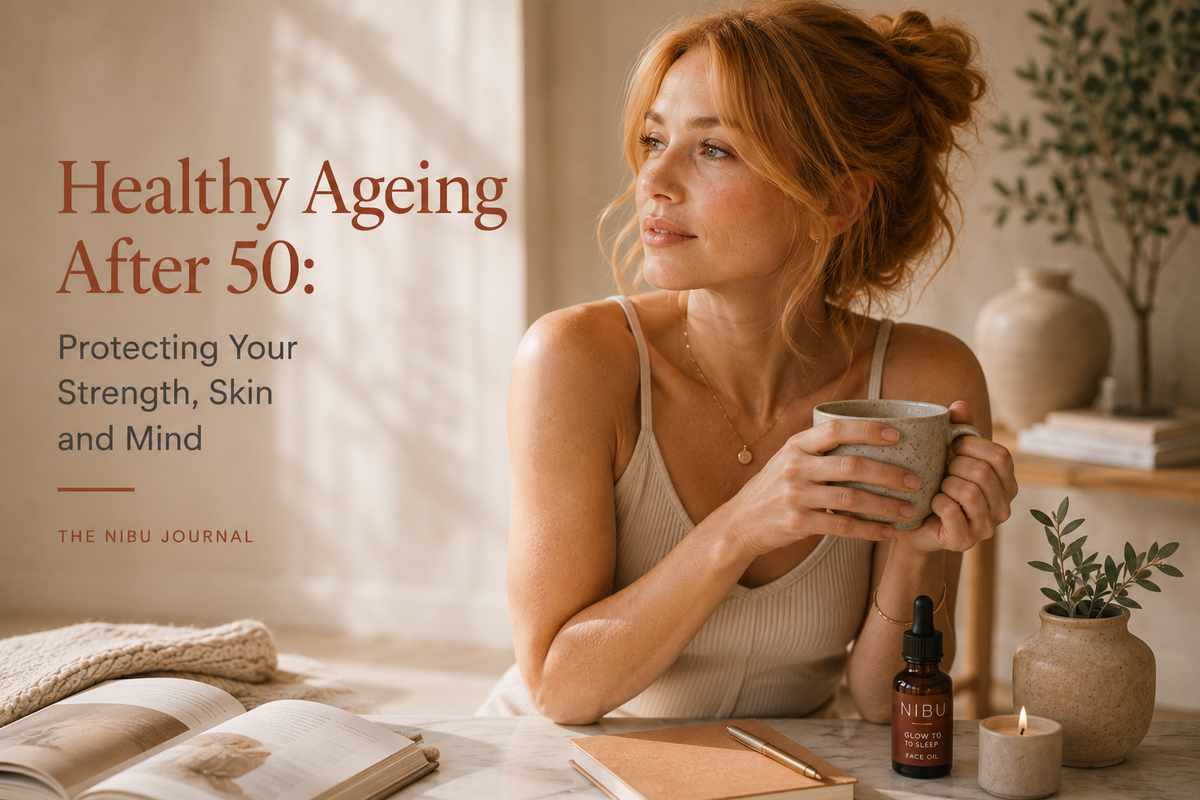
Healthy Ageing After 50: Protecting Your Strength, Skin and Mind
Healthy ageing after 50 isn't about trying to stop the ageing process. It's about protecting the systems that allow you to live well for longer. Maintaining muscle, supporting bone health, eating a...
Read more
What Is Biological Age? Why It Matters More Than Your Birthday
Your birthday tells you how many years you've lived, but it doesn't tell the whole story about your health. Discover what biological age really means, what influences it, and the evidence-based hab...
Read moreShop
Best Sellers