Astaxanthin and Creatine: The Perfect Pair for Skin, Strength and Healthy Ageing
Quick Answer
Astaxanthin and creatine are two very different nutritional compounds that may complement one another within a healthy ageing lifestyle.
Creatine helps the body regenerate adenosine triphosphate, or ATP, which supplies rapid energy to muscles and other energy-demanding tissues. It is best known for supporting strength, exercise performance and gains in lean tissue when combined with resistance training. Research into possible cognitive benefits is also growing, although the evidence is not equally strong across every population or outcome.
Astaxanthin is a red-orange carotenoid found naturally in certain microalgae and marine organisms. It has antioxidant properties and has been studied for areas including skin health, ultraviolet-related skin stress and several metabolic health markers. However, clinical evidence remains smaller and less consistent than the evidence supporting creatine for muscle performance.
They do not perform the same job. Creatine primarily supports energy availability and physical capacity, while astaxanthin is studied mainly for antioxidant and cellular-protective effects. Neither is a replacement for nourishing food, regular movement, strength training, sleep or sun protection.
What You'll Learn
In this guide, we explain:
- what creatine and astaxanthin are
- how each compound works in the body
- why creatine is relevant to women beyond sports nutrition
- what the evidence says about astaxanthin and skin
- how muscle, skin and cellular energy relate to healthy ageing
- whether creatine and astaxanthin can be taken together
- how women at different life stages may think about supplementation
- where the evidence is strong, promising or still uncertain
Introduction
Healthy ageing is often reduced to a search for one perfect food, supplement or routine.
Real health rarely works that way.
Your skin, muscles, brain, bones, heart and metabolism do not age in isolation. They influence one another every day.
Muscle helps regulate blood glucose and maintain physical independence. Skin reflects both external exposure and internal nutrition. The brain depends on a steady supply of energy. Meanwhile, every cell must continually balance normal energy production with repair and protection.
This is why astaxanthin and creatine are an interesting pairing. They do not compete for the same role.
Creatine is closely connected to the way cells rapidly recycle energy, particularly in muscle. Astaxanthin is a carotenoid studied for its ability to interact with oxidative processes and support certain aspects of skin and metabolic health.
One can be thought of as helping to support the body's energy system. The other is studied primarily in relation to its protective antioxidant network.
That does not make them a complete healthy ageing plan. No two supplements could ever replace the fundamentals of health. But within the right lifestyle, they may support different parts of the same bigger picture.
Why Are Creatine and Astaxanthin Often Mentioned Together?
Creatine and astaxanthin are often discussed together because they support different aspects of healthy ageing rather than competing with one another. Creatine primarily supports rapid energy production, muscle function and physical performance, while astaxanthin has been studied for its antioxidant properties and potential benefits for skin health and protection against oxidative stress. Together, they represent an inside-out approach to healthy ageing, combining physical strength with cellular protection. Although research has not shown that they create a unique synergistic effect when taken together, they may complement one another as part of a balanced lifestyle.
What Is Creatine?
Creatine is a naturally occurring compound made from the amino acids arginine, glycine and methionine. Your body produces creatine, and you also obtain smaller amounts from foods such as meat and fish.
Most of the body's creatine is stored in skeletal muscle as free creatine and phosphocreatine. Together, they help regenerate ATP, the immediate source of energy used by cells.
A simple way to picture this is to imagine ATP as a small rechargeable battery. During short bursts of demanding activity, that battery is used quickly. Phosphocreatine helps recharge it so that muscle cells can continue producing force.
This is why creatine has traditionally been associated with sprinting, resistance training and high-intensity exercise. However, that narrow sports-nutrition image no longer reflects the full research landscape.
Creatine is now being studied in relation to:
- muscle strength
- lean tissue
- physical function
- ageing
- rehabilitation
- cognition
- sleep deprivation
- brain energy metabolism
Its strongest and most consistent evidence remains in exercise performance and resistance training, especially when creatine supplementation is combined with a progressive training programme.
Why Creatine Matters for Women
For many years, creatine marketing was heavily focused on male athletes and bodybuilding. That created the mistaken impression that women did not need it or would become bulky simply by taking it. Neither idea reflects how creatine works.
Creatine does not act like a hormone, and it does not automatically create large muscles. Muscle growth requires an appropriate training stimulus, adequate nutrition, sufficient recovery and time.
For women, the potential relevance of creatine is broader. Women naturally carry less muscle mass than men on average, and muscle preservation becomes increasingly important across adulthood. Maintaining strength supports mobility, metabolic health, bone-loading exercise and physical confidence.
The conversation becomes even more important through perimenopause and beyond, when changes in hormones, activity patterns and recovery may make muscle maintenance more challenging.
Creatine is not a substitute for strength training, but it may help women gain more from resistance exercise by improving the availability of rapid cellular energy.
Creatine and the brain
The brain also uses considerable energy and contains its own creatine system.
Research into creatine and cognition is promising, but the results are more mixed than they are for muscular performance. Some systematic reviews suggest potential improvements in memory or selected measures of cognition, particularly in certain circumstances or groups, but researchers continue to highlight differences in study design, dose and baseline creatine status.
The most accurate interpretation is therefore: creatine is well established for supporting high-intensity performance and resistance-training outcomes. Its possible brain-health benefits are encouraging but remain an evolving area of research. That distinction matters. Evidence-based education should never make every promising finding sound conclusive.
What Is Astaxanthin?
Astaxanthin is a naturally occurring carotenoid pigment. It contributes to the red, coral and pink colours seen in foods and marine animals such as wild salmon, trout, krill and some shellfish. These animals do not generally make astaxanthin themselves. They obtain it through the food chain.
The richest natural commercial source is commonly the freshwater microalga Haematococcus pluvialis.
Astaxanthin belongs to the xanthophyll family of carotenoids. Unlike beta-carotene, it is not primarily used by the body as a source of vitamin A. Instead, scientific interest has focused on its antioxidant behaviour and the way its molecular structure interacts with lipid-rich environments, including cell membranes.
Laboratory and mechanistic research is extensive. Human evidence is more limited and varies considerably depending on the health outcome being studied.
Astaxanthin should therefore not be described as a miracle antioxidant or a treatment for disease. It is better understood as a bioactive carotenoid with several promising areas of research.
The Importance of Astaxanthin Source and Quality
Not every astaxanthin ingredient is identical. Differences may include:
- natural or synthetic origin
- astaxanthin concentration
- esterification
- extraction method
- carrier oil
- oxidation protection
- contaminant testing
- storage stability
- traceability
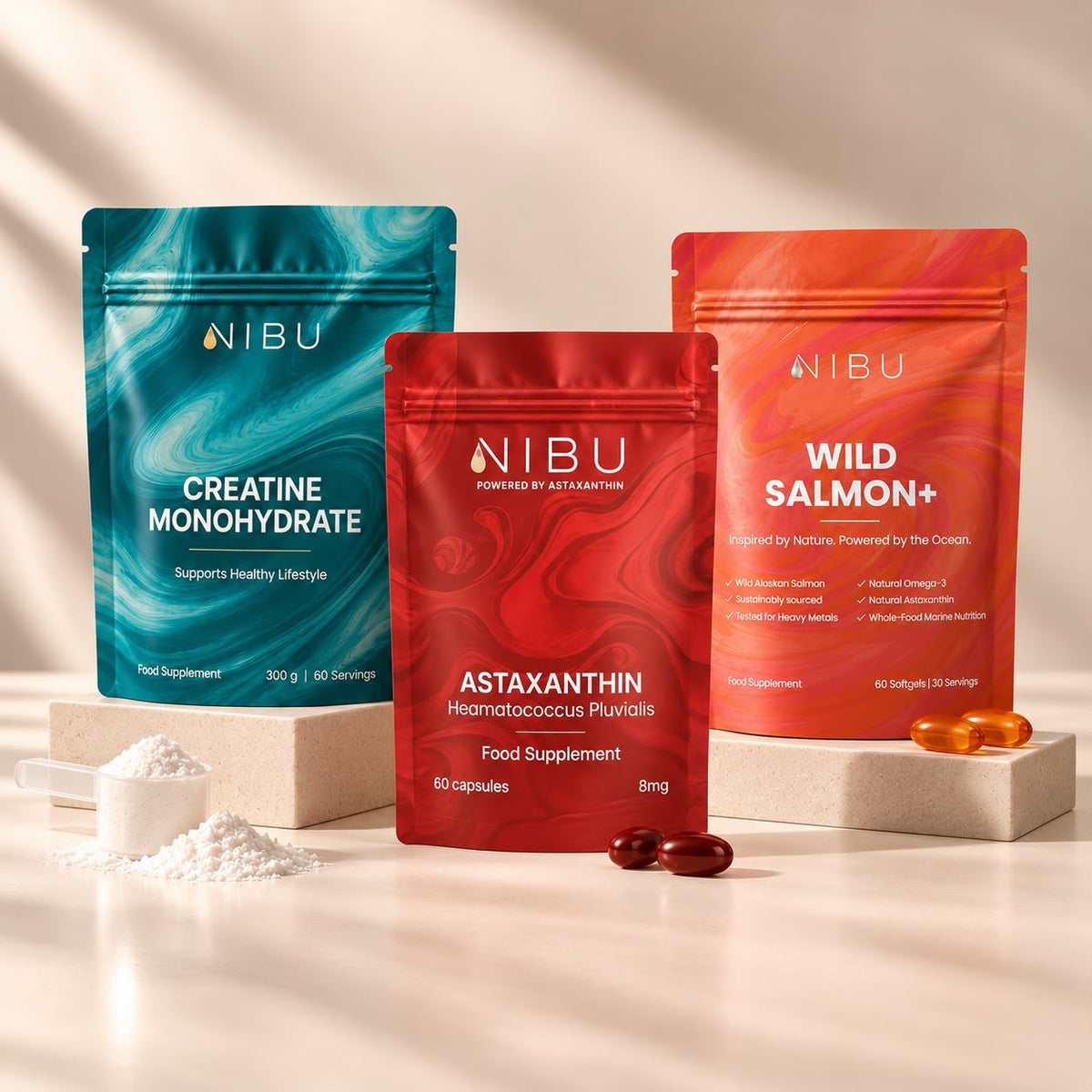
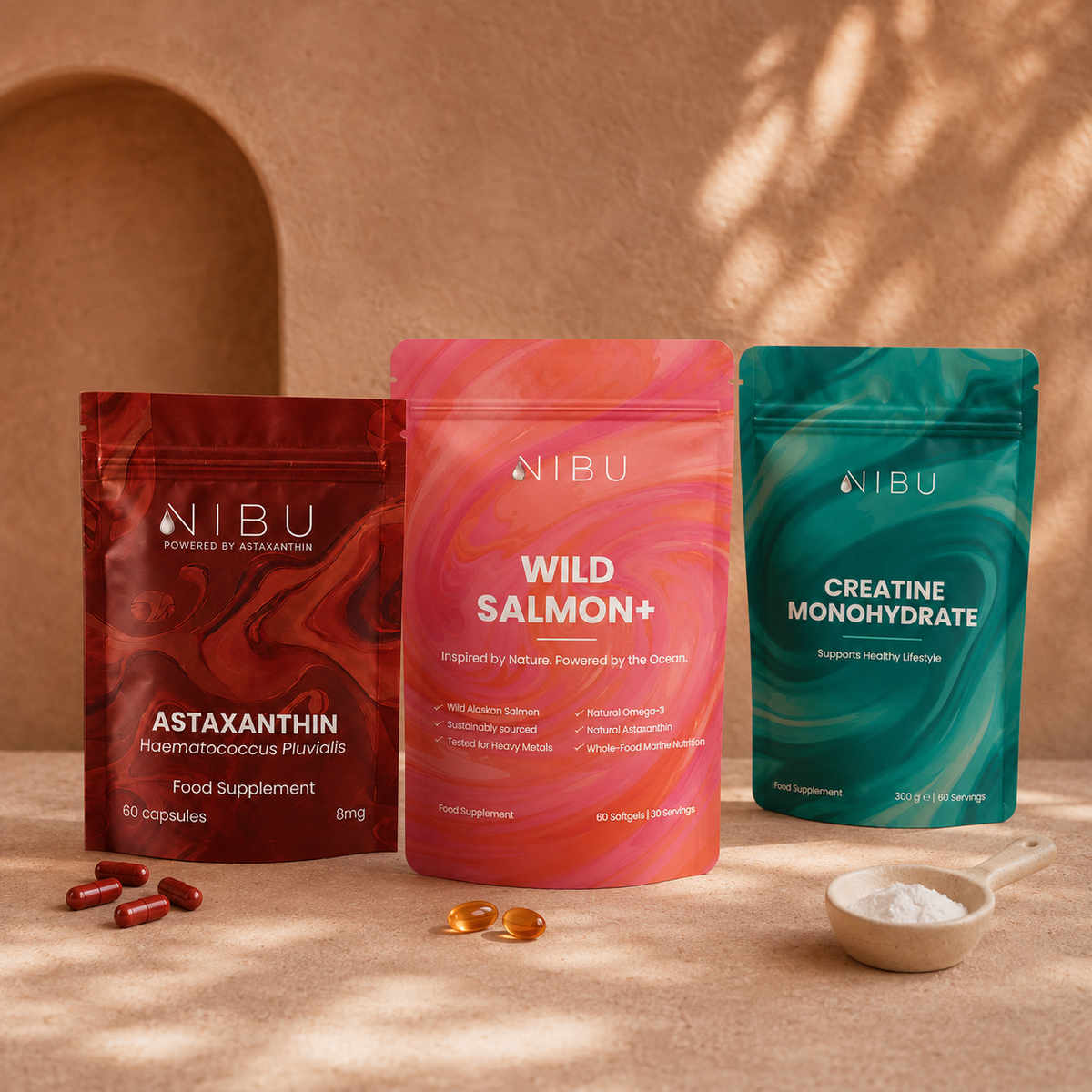
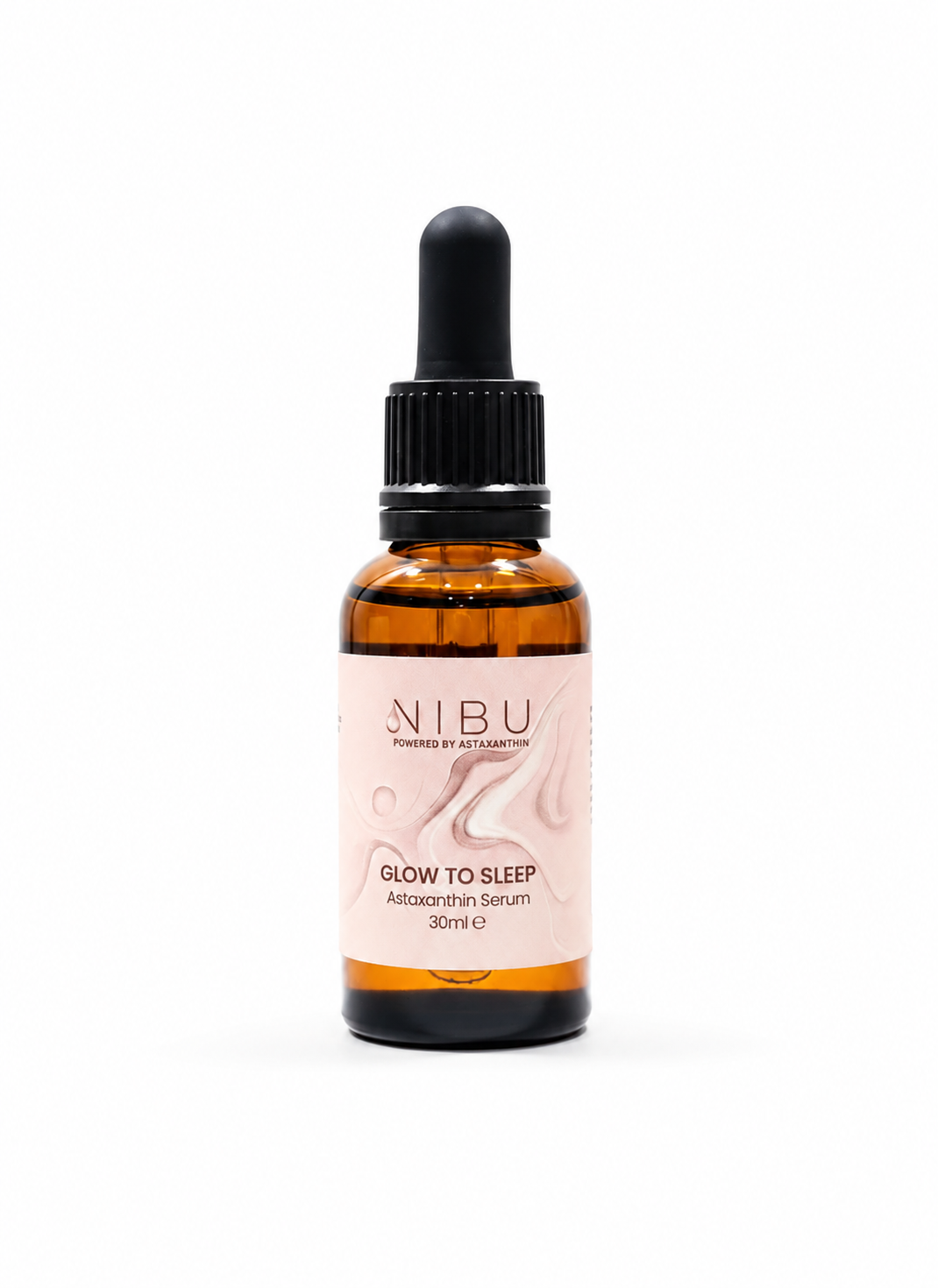
The astaxanthin ingredient used by Nibu is produced in Iceland from non-GMO Haematococcus pluvialis biomass. Its specification describes a minimum 5% astaxanthin oleoresin extracted using solvent-free supercritical carbon dioxide technology, standardised with high-oleic sunflower oil and D-alpha tocopherol.
The same specification states that the ingredient undergoes batch or scheduled testing for identity, astaxanthin concentration, microorganisms, heavy metals and a range of environmental contaminants. It is described as suitable for dietary supplement use and as an authorised novel-food ingredient in the European Union.
This does not mean sourcing alone guarantees a health benefit. Clinical outcomes still depend on the dose, formulation, individual and evidence for the particular use. However, source transparency and quality controls do matter when choosing any supplement.
How Creatine and Astaxanthin Differ
Although they are sometimes discussed together within healthy ageing routines, creatine and astaxanthin have different biological roles.
| Creatine | Astaxanthin |
|---|---|
| Naturally occurring nitrogen-containing compound | Naturally occurring carotenoid |
| Helps regenerate ATP | Studied for antioxidant activity |
| Best-established role is physical performance | Best-known human research includes skin and selected metabolic outcomes |
| Supports repeated high-intensity effort | Studied for responses to oxidative and environmental stress |
| Strong evidence alongside resistance training | Promising but smaller and less consistent clinical evidence |
| Usually supplied as a powder | Usually supplied in oil-based capsules |
| Often taken daily at around 3 to 5 g | Supplement doses vary, with European products commonly limited to authorised intake conditions |
The important point is not that one is better. They are doing different things.
Energy and Protection: Why They May Complement One Another
Every cell must create energy to function. However, energy production is not perfectly clean. Normal metabolism produces reactive molecules as part of everyday biological activity.
The body is designed to manage this through an intricate antioxidant system involving enzymes, nutrients and repair pathways. Problems may arise when reactive molecules consistently exceed the body's ability to control them. This imbalance is known as oxidative stress.
Creatine and astaxanthin enter this story at different points.
Creatine supports rapid energy recycling
Creatine helps maintain phosphocreatine stores, which allow ATP to be regenerated rapidly during demanding activity. This may help a woman:
- perform more quality repetitions during resistance training
- maintain training intensity
- improve strength over time
- support lean tissue when paired with appropriate exercise and food
Astaxanthin is studied for antioxidant support
Astaxanthin has demonstrated antioxidant activity in laboratory and animal models, and human trials have explored outcomes including skin condition, lipid markers, glucose regulation and exercise-related measures.
However, findings should be interpreted carefully because studies differ in duration, dose, participant characteristics and formulation. Some areas have only a small number of trials.
Together, the pair can be described conceptually as creatine for energy availability and physical capacity, and astaxanthin for antioxidant and skin-related support. This does not prove that taking them together produces a unique combined effect. Direct trials testing the combination are lacking. Their value as a pair lies in supporting different priorities, not in evidence of a special interaction.
Astaxanthin and Skin Health
Skin is often the first reason women become interested in astaxanthin. Skin is continually exposed to ultraviolet radiation, pollution, temperature changes and everyday oxidative stress. Internally, it also depends on hydration, nutrient status, collagen structure, circulation, sleep and hormonal health.
A systematic review of clinical studies found that oral or topical astaxanthin had been investigated for outcomes such as skin moisture, elasticity, wrinkles and responses to ultraviolet exposure. However, the authors also noted limitations including small studies, variation in formulations and potential risk of bias.
A later systematic review and meta-analysis also evaluated randomised and open-label studies of oral and topical astaxanthin for skin ageing. The overall findings were encouraging, but the evidence base remained relatively modest.
One placebo-controlled study using 4 mg of astaxanthin for nine weeks examined skin responses to ultraviolet exposure, including minimal erythema dose, moisture and transepidermal water loss.
Taken together, the evidence suggests potential support for selected skin measures, but it does not justify describing astaxanthin as an alternative to sunscreen or proven treatment for skin ageing.
The inside-out view of skin
At Nibu, skin health is never treated as surface-level beauty alone. Skin is influenced by:
- protein intake
- essential fatty acids
- fruit and vegetable intake
- hydration
- sleep
- smoking
- alcohol intake
- sun exposure
- stress
- hormones
- skincare
Astaxanthin may sit within that picture, but it is only one piece. Daily broad-spectrum sun protection, appropriate skincare and healthy lifestyle habits remain more important than any supplement.
Does Creatine Help Skin?
Creatine is not primarily a skin supplement. Its best-established benefits relate to muscle energy and physical performance. However, muscle health and skin health are indirectly connected within healthy ageing.
When women maintain muscle and remain active, they often support:
- circulation
- glucose regulation
- mobility
- posture
- body confidence
- bone-loading activity
- long-term independence
Creatine may therefore contribute to an inside-out healthy ageing routine by supporting the movement and strength side of the equation. It should not be promoted as though oral creatine has the same skin evidence as astaxanthin. That would overstate the research.
The more responsible message is: astaxanthin is studied directly for selected skin outcomes. Creatine supports the strength, energy and physical-function foundations that also matter to how well women age.
Muscle Is a Healthy Ageing Organ
Many women first notice ageing through their skin. Yet one of the most consequential changes is happening beneath it.
Without sufficient activity and resistance training, muscle mass and strength can gradually decline across adulthood. This matters because muscle is not simply something that helps us lift weights.
Muscle contributes to:
- physical movement
- balance
- glucose disposal
- energy expenditure
- posture
- joint support
- metabolic health
- resilience during illness
- independence later in life
A woman who builds and maintains strength in her twenties, thirties and forties is not training merely for appearance. She is investing in her future health.
Creatine can support this process, but the training itself remains essential. Taking creatine without challenging the muscles is rather like buying high-quality gardening tools but never planting anything. The tool can help, but it cannot do the work for you.
Why Healthy Ageing Should Begin Before 40
Healthy ageing is sometimes presented as something women should begin thinking about after menopause. That is far too late to start the conversation.
Women in their twenties and thirties are already building the foundations that will influence later health. This does not mean becoming anxious about ageing. It means recognising that:
- bone responds to loading
- muscle responds to training
- skin responds to sun exposure
- sleep habits accumulate
- diet quality matters over time
- smoking and excessive alcohol create long-term consequences
- stress management is a health skill
- preventative healthcare matters
A younger woman may be drawn to astaxanthin because she cares about skin. She may become interested in creatine because she wants better training performance, energy or strength. Nibu's role is to connect those immediate interests to a deeper message: looking after your future health does not require waiting until something goes wrong.
Can You Take Astaxanthin and Creatine Together?
For most healthy adults, there is no established reason that creatine monohydrate and astaxanthin cannot be used within the same routine. They are not known to cancel each other out, and they act through different biological pathways.
However, direct clinical trials testing the combination are limited. It would therefore be inaccurate to claim that the two create a scientifically proven synergistic effect.
A practical routine
Creatine is usually taken consistently each day. A typical maintenance intake used in research is around 3 to 5 g daily, although individual products and circumstances vary. A loading phase can saturate muscle stores more quickly, but it is not essential for most people.
Astaxanthin is fat-soluble, so an oil-based formulation or taking it with a meal containing fat may support absorption. Nibu's product instructions should always take priority over general guidance.
Consistency matters more than perfect timing
The best time to take a supplement is often the time you will remember it. For example, morning or lunchtime: astaxanthin with a meal containing some dietary fat, and creatine mixed into water, yoghurt or another suitable drink.
Creatine does not need to be cycled by most healthy users, and there is no requirement to take it immediately before exercise.
At a Glance: Creatine vs Astaxanthin
| Creatine | Astaxanthin |
|---|---|
| Supports ATP regeneration | Antioxidant carotenoid |
| Strong evidence for muscle performance | Promising evidence for skin health |
| Best combined with resistance training | Complements sun protection and skincare |
| Powder | Capsule |
| Primary focus: strength and energy | Primary focus: skin and oxidative stress |
Who May Find This Combination Relevant?
Women in their twenties and thirties
The focus may be: building strength, training performance, protecting skin from everyday environmental stress, creating healthy routines early, and supporting long-term wellbeing.
Busy women with demanding lifestyles
The focus may be: maintaining regular exercise, supporting recovery, protecting sleep and nutrition habits, and avoiding the belief that supplements can compensate for exhaustion.
Women approaching perimenopause
The focus may be: preserving muscle, maintaining exercise performance, supporting body composition through strength training, caring for changing skin, and prioritising protein, sleep and recovery.
Women over 50
The focus may be: strength and mobility, resistance exercise, maintaining independence, skin hydration and comfort, and supporting a wider heart, brain and bone-health plan.
The products do not fundamentally change by decade. The reason a woman values them may change.
What About Energy?
The word energy can mean several different things. Creatine supports cellular energy recycling, especially during short bursts of high-intensity activity. That does not mean it acts like caffeine or provides an immediate buzz. You may not feel creatine kick in. Instead, regular use gradually increases muscle creatine stores. Over time, this may support training quality and repeated physical effort.
Similarly, astaxanthin is not a stimulant. Claims that it directly boosts everyday energy should be treated cautiously. Research into exercise performance and fatigue has produced mixed findings, and astaxanthin should not be sold as an instant solution for tiredness.
Persistent fatigue deserves proper attention. Possible causes can include inadequate sleep, under-eating, iron deficiency, thyroid problems, low mood, stress, medication effects and many other health conditions. A supplement should not be used to cover up unexplained or worsening fatigue.
Safety and Who Should Seek Advice
Creatine
Creatine monohydrate is one of the most extensively studied sports supplements. Reviews addressing common misconceptions have found that recommended intakes are generally well tolerated by healthy individuals. Available evidence does not support the widespread claim that creatine inherently damages healthy kidneys. However, anyone with kidney disease or a medical condition affecting fluid or electrolyte balance should seek professional advice before use.
Creatine may cause a modest initial increase in body weight because water is drawn into muscle cells. This is not the same as gaining body fat.
Astaxanthin
Astaxanthin safety depends on dose, source and individual circumstances. European assessments and authorisations set specific conditions of use for astaxanthin-rich ingredients from Haematococcus pluvialis. Food supplements in Europe commonly provide no more than 8 mg astaxanthin per day under relevant authorised conditions.
Speak to a healthcare professional before supplementation if you:
- are pregnant or breastfeeding
- are taking prescribed medication
- have kidney or liver disease
- have a diagnosed medical condition
- are preparing for surgery
- have been advised to restrict fluid or certain nutrients
- are considering supplements for a child
- have unexplained symptoms such as persistent fatigue, weakness or weight loss
Quick Summary
Creatine: Best established for supporting muscle strength, exercise performance and resistance training.
Astaxanthin: Best studied for antioxidant activity and selected skin-health outcomes.
Together: They support different aspects of healthy ageing but should always complement, not replace, good nutrition, regular exercise, quality sleep and other healthy lifestyle habits.
Myth vs Fact
| Myth | Fact |
|---|---|
| Creatine is only for bodybuilders. | Creatine is used across many forms of exercise and is increasingly studied in healthy ageing and brain health. |
| Creatine automatically makes women bulky. | Creatine supports training capacity. Large increases in muscle require progressive training, adequate food and time. |
| Astaxanthin can replace sunscreen. | It cannot. Sun protection remains essential even when using an astaxanthin supplement. |
| Astaxanthin and creatine perform the same role. | They are biologically different. Creatine primarily supports rapid energy recycling, while astaxanthin is studied mainly for antioxidant and skin-related effects. |
| Taking both creates a proven synergistic effect. | Direct evidence for a special combined effect is lacking. They may complement one another because they address different priorities. |
| Supplements can make up for poor sleep and diet. | Supplements can support a good routine, but they cannot replace its foundations. |
| Creatine causes fat gain. | Any early weight change is generally linked to water stored within muscle, not increased body fat. |
| More astaxanthin must be better. | Supplement doses should follow product instructions and applicable safety guidance. Higher intake is not automatically more effective. |
Frequently Asked Questions
Can I take astaxanthin and creatine at the same time?
There is no established need to separate them. They can generally be included in the same daily routine, although direct trials of the combination are limited.
Should women take creatine every day?
Creatine works by increasing body creatine stores, so regular daily use is more important than taking it only on training days.
Does creatine cause weight gain?
Creatine can cause a small increase in body weight because it increases water held within muscle. This is not the same as fat gain.
Will creatine make me look puffy?
Most water associated with creatine is stored inside muscle cells rather than beneath the skin. Individual responses vary, but generalised facial or under-skin puffiness is not considered its typical effect.
Does astaxanthin improve skin?
Some clinical studies report improvements in outcomes such as moisture, elasticity or ultraviolet-related skin responses. However, studies are often small, and astaxanthin should complement rather than replace skincare and sun protection.
How long does creatine take to work?
With a daily maintenance intake, muscle creatine stores generally rise gradually over several weeks. A loading phase can increase stores more quickly, but it is optional.
When should I take astaxanthin?
As a fat-soluble carotenoid, astaxanthin is commonly taken with a meal containing some fat. Follow the directions provided with the specific supplement.
Can I take creatine if I do not go to the gym?
You do not have to attend a gym, but creatine's physical benefits are most meaningful when paired with activities that challenge the muscles, such as resistance bands, bodyweight movements or weight training.
Is astaxanthin suitable for younger women?
Age alone is not the deciding factor. The reason for using it, product dose, overall diet and individual health should all be considered. Younger women should not view supplements as a replacement for sun protection, nourishing food or good skincare.
Are astaxanthin and creatine enough for healthy ageing?
No. They do not provide protein, fibre, all essential fats, resistance training, sleep, social connection or preventative healthcare. They are optional supports, not a complete programme.
Can I take them during perimenopause?
Many women use creatine and astaxanthin during midlife, but neither treats perimenopause. Women with symptoms, medical conditions or prescribed medication should seek personalised advice.
Is natural astaxanthin better than synthetic astaxanthin?
Natural and synthetic sources can differ in composition and stereochemistry. Most human supplement research discussed in this article relates to naturally derived astaxanthin. Quality, testing, formulation and dose also matter.
Key Takeaways
- Creatine and astaxanthin support different areas of health.
- Creatine has strong evidence for supporting high-intensity exercise and resistance-training outcomes.
- Astaxanthin has promising, but more limited, clinical evidence for selected skin and metabolic-health measures.
- Creatine is not only relevant to bodybuilders, and healthy ageing should not begin only after 50.
- Astaxanthin cannot replace sunscreen or a nourishing diet.
- There is no strong evidence that the two have a unique synergistic effect, but they may complement one another because their roles differ.
- Supplements work best when added to strength training, balanced nutrition, sleep, movement and appropriate healthcare.
- Product quality, transparent sourcing and responsible dosing matter.
The Nibu Longevity Take
Healthy ageing is not a beauty trend or something that begins at a particular birthday. It is the quiet result of what we practise repeatedly.
Building muscle while we are young helps protect future strength. Caring for our skin today helps reduce avoidable damage tomorrow. Eating well, sleeping properly and managing stress all shape the way we feel as the years pass.
Creatine and astaxanthin represent two parts of that wider philosophy. Creatine reminds us that strength and energy capacity must be built. Astaxanthin reflects the importance of protection, nourishment and inside-out skin health.
Neither is the whole answer. Together, they offer a useful reminder that ageing well is not about chasing youth. It is about building a body that remains capable, resilient and well supported through every stage of life.
Healthy ageing begins long before we feel old. It begins with the way we care for ourselves today.
Conclusion
Astaxanthin and creatine are not interchangeable supplements, and that is precisely why they make an interesting pair.
Creatine supports the rapid energy system used heavily by muscle and has a strong evidence base for exercise performance and resistance-training outcomes. Astaxanthin is a naturally occurring carotenoid with antioxidant properties and a growing, although more limited, body of human research in areas such as skin health.
Used responsibly, they may support different parts of an inside-out healthy ageing routine. But the order of importance should remain clear: healthy ageing is rarely transformed by one decision. It is shaped by thousands of small choices repeated consistently over many years.
Every nutritious meal. Every strength session. Every good night's sleep. Every walk outdoors. Every healthy habit.
Astaxanthin and creatine can each play a supportive role, but they are only ever part of the bigger picture.
At NIBU, we believe the strongest foundation for healthy ageing will always be education, movement, nourishing food and evidence-based choices that help you stay healthier for longer.
References
- Forbes SC, Candow DG, Ferreira LH, Souza-Junior TP. Effects of creatine supplementation on properties of muscle, bone and brain function in older adults. Nutrients. 2021.
- Kreider RB, et al. Common questions and misconceptions about creatine supplementation: what does the scientific evidence really show? Journal of the International Society of Sports Nutrition. 2021;18:13.
- Dolan E, Gualano B, Rawson ES. Beyond muscle: the effects of creatine supplementation on brain creatine, cognitive processing and traumatic brain injury. European Journal of Sport Science. 2019.
- Xu C, et al. The effects of creatine supplementation on cognitive function in adults: a systematic review and meta-analysis. Frontiers in Nutrition. 2024.
- Prokopidis K, et al. Effects of creatine supplementation on memory in healthy individuals: a systematic review and meta-analysis of randomised controlled trials. Nutrition Reviews. 2023;81(4):416–427.
- Davinelli S, et al. Astaxanthin in skin health, repair and disease: a comprehensive review. Nutrients. 2018.
- Ng QX, De Deyn MLZQ, Loke W, Foo NX, Chan HW, Yeo WS. Effects of astaxanthin supplementation on skin health: a systematic review of clinical studies. Journal of Dietary Supplements. 2021;18(2):169–182.
- Zhou X, et al. Systematic review and meta-analysis on the effects of astaxanthin on human skin ageing. Nutrients. 2021.
- Ito N, et al. The protective role of astaxanthin for ultraviolet-induced skin deterioration in healthy people. Nutrients. 2018;10(7):817.
- Brendler T, Williamson EM. Astaxanthin: how much is too much? A safety review. Phytotherapy Research. 2019;33(12):3090–3111.
- European Food Safety Authority. Scientific opinion on the safety of astaxanthin-rich ingredients derived from Haematococcus pluvialis. EFSA Journal.
- Nibu Naturals supplier documentation. Astalíf 5 Product Specification, Iceland, issue date 2 December 2021.
Continue Reading
- What Is Astaxanthin? A Complete Beginner's Guide
- Creatine and Weight Loss for Women
- Does Creatine Make Women Gain Weight?
- Why Muscle Is One of the Most Important Organs for Healthy Ageing
- Oxidative Stress Explained: Why It Matters for Healthy Ageing
- What Is Biological Age? Why It Matters More Than Your Birthday
- Healthy Ageing After 40: 10 Evidence-Based Habits Every Woman Should Know
- Healthy Ageing After 50: Protecting Your Strength, Skin and Mind
About The Nibu Journal
The Nibu Journal is Nibu Naturals' evidence-led healthy ageing publication for women. We translate complex research into warm, practical guidance covering nutrition, supplements, women's health, skin, strength and everyday lifestyle habits.
Our philosophy is simple: Educate first. Support second. Sell naturally.
Medical Disclaimer
This article is for general educational purposes only and does not constitute medical advice. It is not intended to diagnose, treat, cure or prevent any disease.
Speak to your GP, pharmacist or another suitably qualified healthcare professional before beginning a new supplement, particularly if you are pregnant, breastfeeding, taking prescribed medication, preparing for surgery or living with a medical condition.

Read more
Beyond the Gym: Why Women Need Creatine for Cellular Longevity
Creatine isn't just for bodybuilders. For women, it may be one of the most powerful tools for long-term cellular health, supporting brain function, ATP energy production, and cellular hydration.
Weiterlesen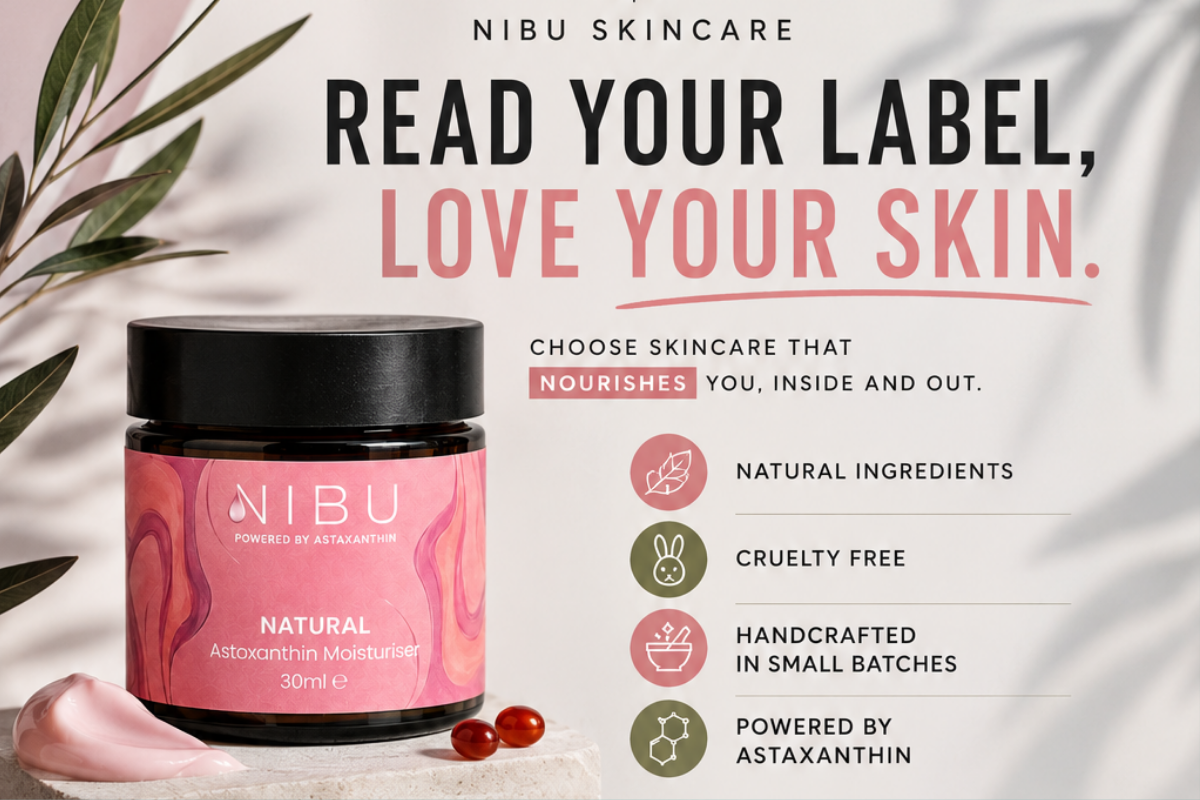
How to Read a Skincare Label: Red Flags vs Green Flags
Most of us choose skincare based on pretty packaging or a trending claim, but the real story is written in the ingredients list. Learning to read it puts the power back in your hands, so you can ma...
WeiterlesenShop
Bestseller