Healthy Ageing After 50: Protecting Your Strength, Skin and Mind
Quick Answer
Healthy ageing after 50 isn't about trying to stop the ageing process. It's about protecting the systems that allow you to live well for longer.
Maintaining muscle, supporting bone health, eating a nutrient-rich diet, prioritising sleep, staying socially connected and looking after your heart and brain can all help you remain active, independent and confident in the years ahead.
Small, consistent habits often have the greatest impact on long-term health.
What You'll Learn
In this article you'll discover:
- What changes in the body after 50
- Why menopause influences healthy ageing
- The lifestyle habits that have the strongest scientific evidence
- How to protect your muscles, bones, brain and skin
- Practical ways to support healthy ageing for years to come
Introduction
For many women, turning 50 marks the beginning of a new chapter.
It may coincide with menopause, children leaving home, career changes or simply noticing that your body feels different to how it did ten or twenty years ago.
In fact, your fifties can be one of the most rewarding decades to invest in your health.
Research continues to show that while ageing is inevitable, many of the changes we associate with getting older are influenced by the choices we make every day.
Healthy ageing is influenced by many interconnected factors. Nutrition, movement, sleep, stress management, skincare and carefully selected, evidence-based supplementation all have a role to play.
At Nibu Naturals, we believe healthy ageing isn't about trying to look younger. It's about feeling capable, resilient and well at every stage of life.
Let's explore ten evidence-based habits that can help you do exactly that.
What Changes After 50?
Many women experience more noticeable changes after the age of 50 because of the hormonal shifts that occur during and after menopause. As oestrogen levels decline, several systems throughout the body are affected, including muscle strength, bone density, skin structure, heart health, brain function, metabolism and sleep quality.
Muscle Naturally Declines
From around the age of 30, adults gradually begin to lose muscle mass and strength. After menopause, this process often accelerates due to reduced oestrogen levels. This age-related loss of muscle, known as sarcopenia, can affect strength, balance, walking speed, metabolism and everyday independence.
The encouraging news is that muscle remains remarkably adaptable throughout life. Research consistently shows that women in their fifties, sixties and beyond can improve strength and physical function through regular resistance training.
Bone Health Becomes Increasingly Important
During the years following menopause, bone breakdown begins to outpace bone formation, increasing the risk of osteopenia and osteoporosis. Healthy bones rely on resistance exercise, adequate calcium, vitamin D, muscle strength and balance. Protecting your muscles and protecting your bones go hand in hand.
Your Heart Deserves More Attention
Heart disease is the leading cause of death in women worldwide. Before menopause, oestrogen offers some protection to the cardiovascular system. As hormone levels fall, that protection gradually reduces. Blood pressure, cholesterol levels and body fat distribution may all change.
Skin Changes Become More Noticeable
Skin naturally becomes thinner with age. Collagen production declines. Natural oil production decreases. Skin may feel drier and less elastic than before. Nutrition, sleep, hydration, antioxidant-rich foods and UV protection all play an important role.
Brain Health Matters More Than Ever
Many women describe occasional forgetfulness during and after menopause. Regular physical activity, quality sleep, social engagement, learning new skills and a nutritious diet all contribute to healthy cognitive ageing.
Healthy ageing after 50 isn't about focusing on one organ or one symptom. It's about recognising that your muscles, bones, heart, brain, skin and metabolism are all connected.
1. Make Strength Your Priority
If there is one habit that has the greatest potential to transform healthy ageing after 50, it's building and maintaining muscle.
Strong muscles help you climb stairs with confidence, carry shopping without strain, improve balance and reduce the risk of falls, support healthy bones, maintain a healthy metabolism and stay independent for longer.
Think of muscle as your body's retirement savings. Two or three well-planned resistance training sessions each week can make a meaningful difference, using bodyweight exercises, resistance bands, dumbbells, weight machines or Pilates with resistance.
Nibu Tip: If you're new to resistance training, consider working with a qualified instructor for a few sessions. Learning good technique early can build confidence and make exercise more enjoyable.
2. Eat Enough Protein to Protect Your Muscle
After the age of 50, our muscles become less responsive to dietary protein, a process known as anabolic resistance. This means the body needs a stronger signal, through both exercise and adequate protein intake, to build and maintain muscle tissue.
Protein also plays a vital role in supporting your immune system, producing hormones and enzymes, maintaining healthy skin, hair and nails and helping you feel fuller for longer.
Aim to include a quality source of protein with breakfast, lunch and dinner. Good options include eggs, Greek yoghurt, cottage cheese, fish, chicken and turkey, lean beef, tofu and tempeh, lentils, chickpeas, beans and edamame.
Nibu Tip: Try to make protein the foundation of each meal, then build around it with colourful vegetables, wholegrains and healthy fats.
3. Protect Your Bones Before They Become Fragile
After menopause, declining oestrogen levels increase the rate at which bone is broken down, making women more vulnerable to osteopenia and osteoporosis.
Bones become stronger when they experience regular loading through resistance training, walking, hiking, dancing, climbing stairs and racquet sports. Your skeleton also requires calcium, vitamin D, magnesium, vitamin K and protein.
Preventing falls is just as important as maintaining bone density. Improving leg strength, practising balance exercises, wearing supportive footwear and having regular eyesight checks all help.
Nibu Tip: Strength training is one of the few activities that benefits both muscle and bone at the same time, making it one of the most valuable forms of exercise after 50.
4. Look After Your Heart Every Day
Following menopause, changing hormone levels can contribute to higher LDL cholesterol, reduced HDL cholesterol, increased blood pressure, greater abdominal fat storage and reduced insulin sensitivity. Although these changes are common, they are not inevitable.
Dietary fibre from oats, wholegrains, beans, lentils, fruit and vegetables helps support healthy cholesterol levels. Healthy fats from extra virgin olive oil, nuts, seeds, avocados and oily fish form the foundation of Mediterranean-style eating patterns consistently associated with better heart health.
Brisk walking, swimming, cycling or dancing all count towards maintaining a healthy heart.
Nibu Tip: Rather than aiming for perfection, ask yourself one simple question each day: "How can I move a little more today?"
5. Keep Your Brain Active
Physical activity improves blood flow to the brain and stimulates the release of compounds that support healthy nerve cells. The brain also thrives on challenge through learning a language, playing a musical instrument, reading regularly, completing puzzles, taking an online course or learning a new hobby.
Loneliness and social isolation are associated with poorer health outcomes. Maintaining meaningful relationships supports emotional wellbeing and may also benefit cognitive health. Memory consolidation happens during sleep, making a consistent sleep routine one of the simplest ways to support your brain.
Nibu Tip: Think of your brain like a muscle. The more you use it in varied and meaningful ways, the stronger and more adaptable it remains.
6. Care for Your Skin From the Inside Out
After menopause, collagen production declines more rapidly, skin becomes thinner and natural oil production decreases. Your skin depends on a steady supply of nutrients including colourful fruit and vegetables, healthy fats, protein-rich foods, vitamin C-rich foods, zinc-containing foods and plenty of fluids.
Daily use of a broad-spectrum SPF helps reduce cumulative sun damage, one of the biggest contributors to premature skin ageing. Quality sleep, stress management, exercise and nutrition all influence how your skin looks and feels.
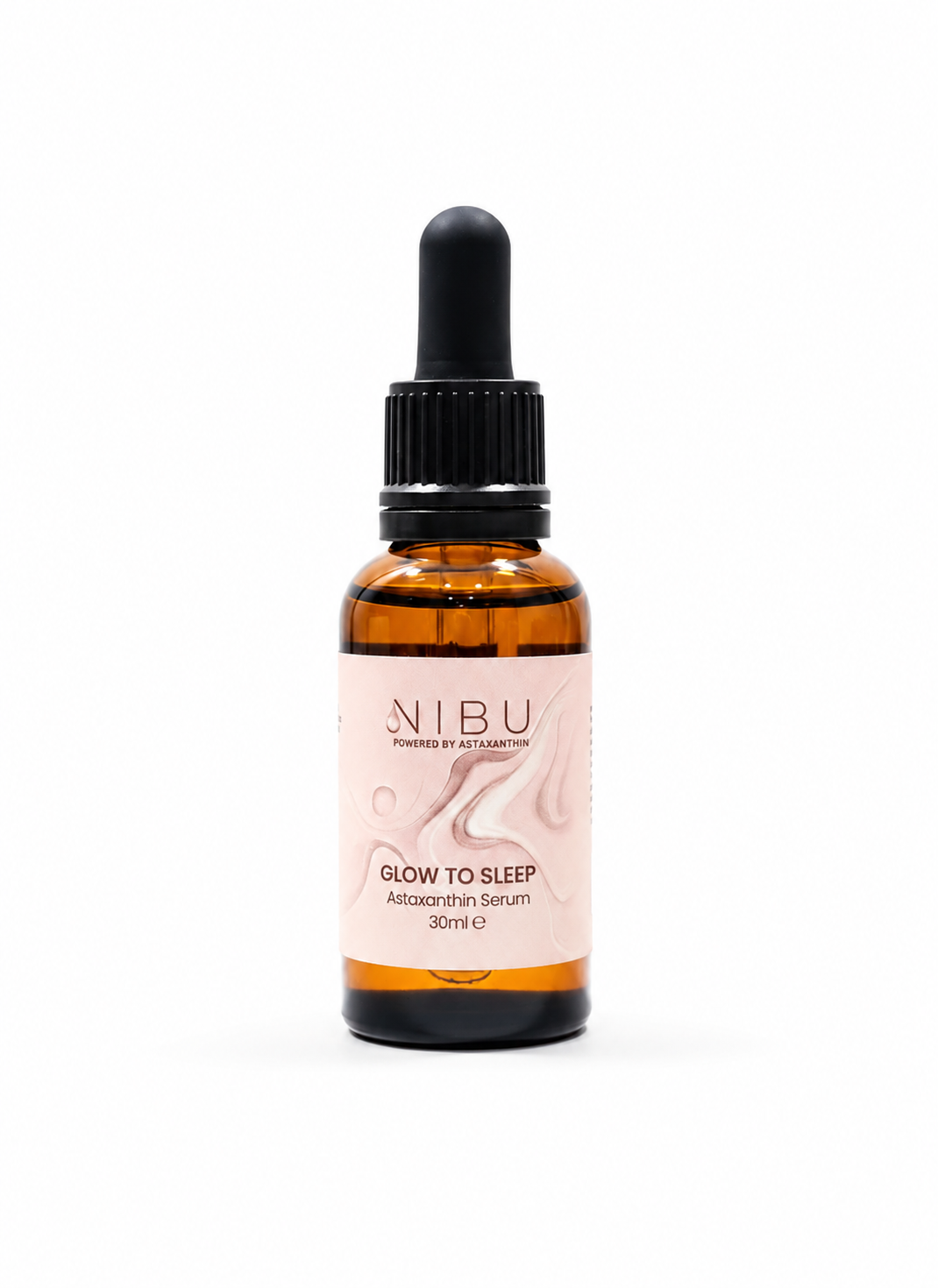
Emerging research also suggests that antioxidants, including Astaxanthin, may complement a healthy skincare routine by helping support the skin's natural defences against oxidative stress. While research continues to evolve, these nutrients should always be viewed as part of a broader healthy ageing approach.
Nibu Tip: Healthy skin isn't about perfection. It's a reflection of the care you give your body every day.
7. Make Quality Sleep a Health Priority
Sleep often becomes more challenging after 50. Hormonal changes, night sweats, hot flushes, stress and changes in circadian rhythm can all make it harder to enjoy a full night's rest.
Over time, consistently inadequate sleep has been linked with reduced muscle recovery, poorer immune function, increased inflammation, reduced insulin sensitivity, higher blood pressure, lower mood and reduced concentration and memory.
Simple strategies to build better sleep habits include going to bed and waking up at similar times each day, limiting caffeine later in the afternoon, reducing screen time before bed, keeping your bedroom cool, quiet and dark, and spending time outdoors during daylight hours.
If menopausal symptoms are significantly affecting your sleep, speak with your GP or healthcare professional.
Nibu Tip: Instead of asking "How many hours did I sleep?", also ask "How rested do I feel?" Sleep quality is just as important as sleep duration.
8. Manage Stress Before It Manages You
Long-term stress may contribute to poor sleep, higher blood pressure, increased inflammation, reduced immune function, emotional exhaustion and less motivation to exercise and eat well.
Managing stress doesn't always require dramatic changes. Consider incorporating a morning walk, five minutes of deep breathing, gentle yoga or stretching, meditation, journalling, gardening, reading, time in nature or listening to music.
The goal isn't to eliminate stress completely. It's to build resilience so your body has regular opportunities to recover.
Nibu Tip: Treat relaxation as an important appointment with yourself, not something you'll do only if there's time left at the end of the day.
9. Stay Connected and Keep Your Mind Curious
Research consistently shows that people with strong social connections often experience better mental wellbeing, lower levels of loneliness, greater resilience, improved quality of life and better physical health outcomes.
Your brain continues adapting throughout life. Learning stimulates new neural connections and helps build cognitive reserve. Consider learning a language, taking a cooking course, reading books regularly, joining a book club, volunteering, travelling, trying a new craft or learning to play an instrument.
Nibu Tip: Choose activities that challenge your mind while also bringing you joy. Healthy ageing should enrich your life, not simply extend it.
10. Think Longevity, Not Anti-Ageing
Ageing is a natural biological process. It cannot be stopped. What can be influenced is how well you age.
Longevity isn't about trying to look 30 forever. It's about giving yourself the best chance of remaining healthy, active and independent throughout later life. Instead of asking "How can I look younger?", try asking "How can I stay stronger?", "How can I protect my future health?" and "What habits will help me enjoy life ten or twenty years from now?"
Healthy ageing isn't built through perfection. It's built through consistency — every balanced meal, every walk, every strength training session, every good night's sleep, every conversation with a friend, every decision to care for yourself.
Nibu Tip: The goal isn't to add years to your life alone. It's to add life to your years.
Healthy Ageing After 50: Your Action Plan
| Habit | Why It Matters | A Simple First Step |
|---|---|---|
| Build muscle | Supports strength, metabolism and independence | Complete two resistance training sessions this week |
| Eat enough protein | Maintains muscle and supports recovery | Include protein with every meal |
| Protect your bones | Reduces the risk of fractures | Add weight-bearing exercise to your week |
| Look after your heart | Supports long-term cardiovascular health | Walk for 30 minutes most days |
| Support your brain | Helps maintain cognitive function | Learn something new each month |
| Care for your skin | Supports healthy skin ageing | Wear SPF daily and eat antioxidant-rich foods |
| Prioritise sleep | Supports recovery and hormone regulation | Create a consistent bedtime routine |
| Manage stress | Helps reduce chronic inflammation | Take 10 minutes each day to unwind |
| Stay connected | Supports emotional and cognitive wellbeing | Arrange regular time with friends or family |
| Focus on longevity | Encourages sustainable healthy habits | Improve one small habit this week |
Myth vs Fact
| Myth | Fact |
|---|---|
| Getting weaker is inevitable after 50. | While some age-related changes are natural, regular resistance training and good nutrition can help maintain strength and physical function. |
| It's too late to improve your health. | Healthy habits can deliver meaningful benefits at almost any age. |
| Women should avoid lifting weights after menopause. | Strength training is one of the most effective ways to support muscle, bone health and independence after menopause. |
| Healthy ageing is only about avoiding wrinkles. | True healthy ageing includes supporting your muscles, bones, heart, brain, skin and overall wellbeing. |
| Supplements can replace healthy habits. | Supplements may complement a healthy lifestyle, but they cannot replace balanced nutrition, movement, sleep and stress management. |
Frequently Asked Questions
Is 50 too late to start exercising?
Not at all. Research consistently shows that adults can improve strength, cardiovascular fitness and mobility well into later life. The most important step is choosing activities that are appropriate for your current fitness level and progressing gradually.
Can women build muscle after menopause?
Yes. Although muscle growth may occur more slowly than in younger adulthood, resistance training combined with adequate protein intake remains highly effective for building strength and preserving muscle mass after menopause.
Which exercise is best after 50?
A balanced routine is ideal, including resistance training, walking or other aerobic exercise, balance exercises, and flexibility and mobility work. Each type of movement supports a different aspect of healthy ageing.
Which nutrients become more important after 50?
Protein, calcium, vitamin D, magnesium, fibre and omega-3 fatty acids all play important roles in supporting healthy ageing. Individual requirements vary, so personalised advice from a healthcare professional may be helpful.
Should I take supplements after 50?
Supplements may be beneficial in certain circumstances, particularly where dietary intake or nutrient status is inadequate. They should always complement, rather than replace, a balanced diet and healthy lifestyle.
Is it too late to improve my health after 50?
Absolutely not. Research consistently shows that healthy lifestyle changes can deliver meaningful benefits at almost any age. It's never too early to invest in your health, and it's rarely too late to benefit from doing so.
Key Takeaways
- Healthy ageing after 50 is about protecting your body's most important systems.
- Maintaining muscle should remain a top priority.
- Bone, heart and brain health become increasingly important after menopause.
- Nutrition, movement, sleep and stress management work together to support long-term wellbeing.
- Healthy skin reflects healthy lifestyle habits as much as skincare products.
- Small, sustainable habits consistently outperform quick fixes.
The Nibu Longevity Take
At Nibu Naturals, we believe turning 50 isn't the beginning of decline. It's the beginning of a new chapter. A chapter where experience meets intention. Where strength matters more than appearance. Where confidence comes from feeling capable, resilient and well.
Healthy ageing isn't about trying to reclaim the body you had twenty years ago. It's about giving your body the support it needs to thrive through every stage of life.
Every nourishing meal. Every walk. Every strength training session. Every good night's sleep. Every moment you choose to care for yourself. These may seem like small decisions today, but over time they become the foundation of extraordinary health.
Alongside these everyday habits, carefully selected, evidence-based supplements and skincare can complement your healthy ageing journey, supporting your wellbeing from the inside and the outside.
References
- World Health Organization. Decade of Healthy Ageing: Baseline Report. Geneva: WHO; 2021.
- Cruz-Jentoft AJ, Bahat G, Bauer J, et al. Sarcopenia: Revised European Consensus on Definition and Diagnosis (EWGSOP2). Age and Ageing. 2019;48(1):16–31.
- UK Chief Medical Officers. UK Physical Activity Guidelines. Department of Health and Social Care. 2019.
- Morton RW, Murphy KT, McKellar SR, et al. A Systematic Review, Meta-analysis and Meta-regression of Protein Supplementation on Resistance Training-Induced Gains in Muscle Mass and Strength in Healthy Adults. British Journal of Sports Medicine. 2018;52(6):376–384.
- Beaudart C, Dawson A, Shaw SC, et al. Nutrition and Physical Activity in the Prevention and Treatment of Sarcopenia: Systematic Review. Osteoporosis International. 2017;28(6):1817–1833.
- North American Menopause Society (NAMS). The 2022 Hormone Therapy Position Statement of The North American Menopause Society. Menopause. 2022;29(7):767–794.
- Compston J, McClung MR, Leslie WD. Osteoporosis. The Lancet. 2019;393(10169):364–376.
- Pedersen BK. The Physiology of Optimising Health with a Focus on Exercise as Medicine. Nature Reviews Endocrinology. 2019;15:383–392.
- Livingston G, Huntley J, Sommerlad A, et al. Dementia Prevention, Intervention, and Care: 2020 Report of the Lancet Commission. The Lancet. 2020;396(10248):413–446.
- Estruch R, Ros E, Salas-Salvadó J, et al. Primary Prevention of Cardiovascular Disease with a Mediterranean Diet Supplemented with Extra-Virgin Olive Oil or Nuts. New England Journal of Medicine. 2018;378:e34.
- National Institute for Health and Care Excellence (NICE). Menopause: Diagnosis and Management (NG23). Updated guidance.
- NHS. Healthy Living. NHS UK. Available at: https://www.nhs.uk/live-well/
- National Institute on Aging. Exercise and Physical Activity: Your Everyday Guide from the National Institute on Aging. U.S. National Institutes of Health.
- Harvard T.H. Chan School of Public Health. The Nutrition Source: Healthy Ageing.
About The Nibu Journal
The Nibu Journal is the educational home of Nibu Naturals. Our mission is to help women make informed, evidence-based decisions about healthy ageing through clear, trustworthy information grounded in the latest scientific research.
Medical Disclaimer
This article is intended for educational purposes only and should not be considered medical advice. It should not be used to diagnose, treat or prevent any medical condition. Always seek advice from your GP or another qualified healthcare professional before making significant changes to your diet, exercise routine or supplement regimen, particularly if you have an existing medical condition, are pregnant or breastfeeding, or take prescription medication.

Read more
Healthy Ageing After 40: 10 Evidence-Based Habits Every Woman Should Know
Quick Answer Turning 40 doesn't mean your best years are behind you. In fact, it's one of the best times to take a proactive approach to your health. While some natural changes occur as we age, res...
Weiterlesen
What Is Longevity? A Beginner's Guide to Living Longer and Healthier
Longevity is about far more than adding years to your life. Discover what healthy ageing really means and the science-backed habits that can help you live a longer, healthier and more active life.
WeiterlesenShop
Bestseller