Icelandic Astaxanthin for Skin: Why the Source Matters
Quick Answer
Astaxanthin is a naturally occurring carotenoid antioxidant that has become one of the most exciting ingredients in modern skincare. When applied topically in a well-formulated serum or moisturiser, it helps protect the skin from oxidative stress, supports the skin's natural barrier and promotes a brighter, healthier-looking complexion.
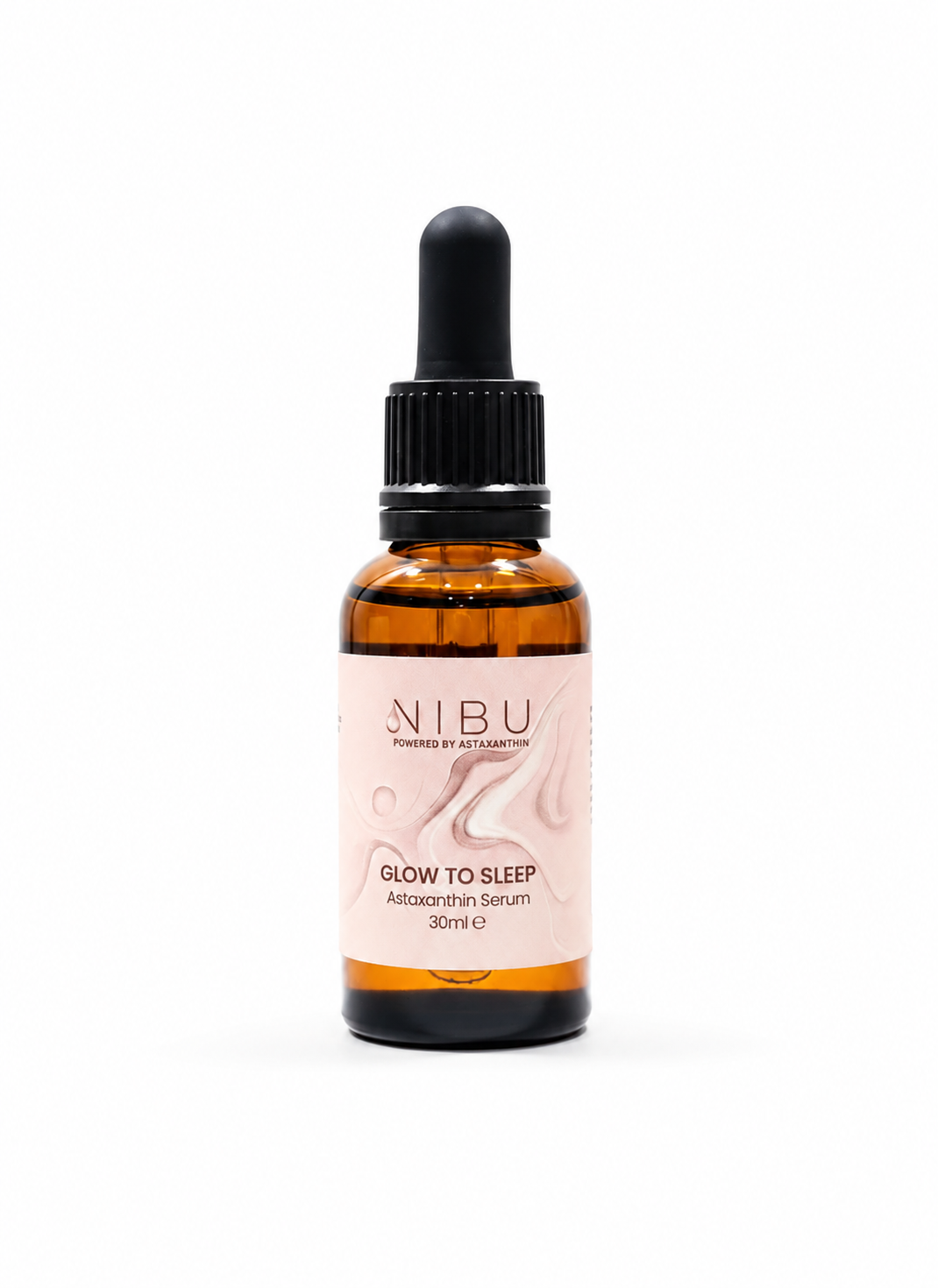
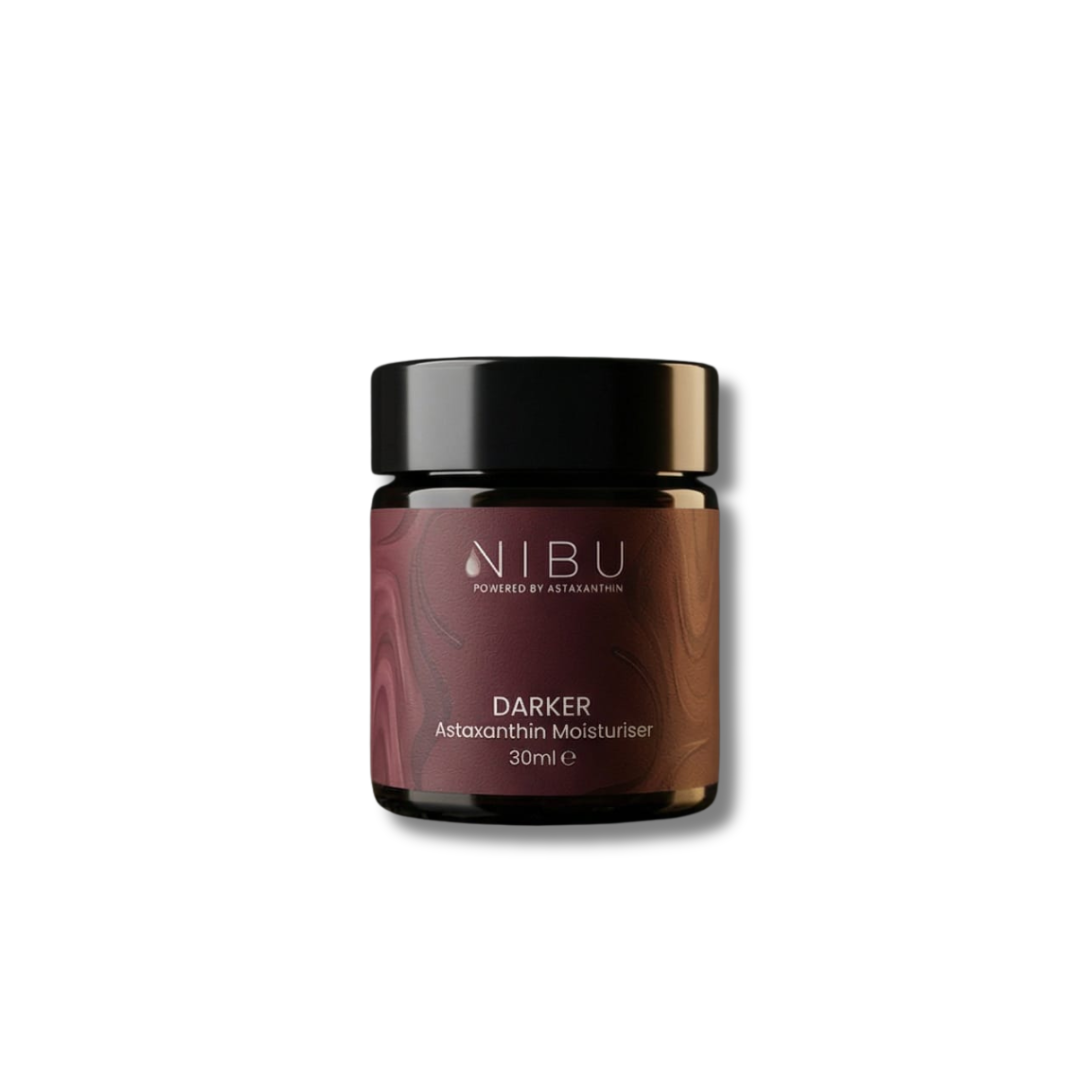
At Nibu, we use Icelandic astaxanthin in our skincare because we believe premium products should begin with premium ingredients. While many people focus on the percentage of an active ingredient, we believe that where an ingredient comes from, how it is cultivated and how it is formulated are equally important.
Icelandic Astaxanthin at a Glance
| Question | Quick Answer |
|---|---|
| What is Icelandic astaxanthin? | Naturally derived astaxanthin cultivated in Iceland using controlled production methods. |
| Why does the source matter? | Source, cultivation, extraction and formulation all influence ingredient quality and consistency. |
| What does it do in skincare? | Helps protect the skin from oxidative stress and supports healthy-looking skin. |
| Can it replace sunscreen? | No. Astaxanthin complements daily sun protection but does not replace SPF. |
| Why does NIBU use it? | We value its traceability, consistency and alignment with our premium, evidence-led approach to skincare. |
| Is it a miracle ingredient? | No. It works best as part of a consistent skincare routine and healthy lifestyle. |
What You'll Learn
In this guide you'll discover:
- What astaxanthin is and why it has attracted so much attention in skincare.
- How oxidative stress affects the skin.
- Why antioxidants are essential for healthy-looking skin.
- Why the source of astaxanthin matters.
- Why Nibu chose Icelandic astaxanthin.
- How astaxanthin fits into a simple daily skincare routine.
- Common myths about astaxanthin skincare.
Introduction
Healthy-looking skin isn't achieved overnight, and it certainly doesn't come from one miracle ingredient.
Instead, it's the result of consistently caring for your skin, protecting it from everyday environmental stressors and choosing products that support its natural function.
One ingredient that has gained increasing attention over recent years is astaxanthin. Often referred to as one of nature's most powerful antioxidants, astaxanthin has become a favourite among skincare scientists because of its ability to help defend the skin against oxidative stress, one of the key contributors to premature skin ageing.
But not all astaxanthin is the same. Just as the quality of olive oil depends on where the olives are grown and how they're produced, the quality of astaxanthin also begins with its source. That's one of the reasons we chose Icelandic astaxanthin for our skincare collection.
In this article, we'll explore what astaxanthin is, why antioxidants matter for healthy-looking skin and why we believe quality should always come before marketing claims.
What Is Astaxanthin?
Astaxanthin is a naturally occurring red pigment belonging to a family of compounds called carotenoids. These are the same types of natural pigments that give carrots their orange colour and tomatoes their red colour.
Unlike many other carotenoids, astaxanthin is produced by the freshwater microalga Haematococcus pluvialis. When the algae are exposed to environmental stresses such as strong sunlight or limited water, they produce astaxanthin as a natural defence mechanism. You can think of it as the algae's own protective shield.
This remarkable ability to help protect the algae from harsh conditions is one of the reasons astaxanthin has attracted so much interest in skincare research. Scientists have been exploring how it may help defend human skin against the everyday environmental factors that contribute to premature skin ageing.
Today, astaxanthin is used in a growing number of premium skincare formulations because of its antioxidant properties and its ability to support healthy-looking skin.
Why Your Skin Needs Antioxidants
Your skin works hard every single day. As your body's largest organ, it acts as a protective barrier against the outside world, constantly facing challenges such as:
- UV radiation from sunlight
- Air pollution
- Cigarette smoke
- Blue light from digital devices
- Temperature changes
- Everyday environmental stress
These factors can lead to the formation of free radicals — unstable molecules that can damage important structures within the skin if they build up faster than the body's natural defence systems can neutralise them. This imbalance is known as oxidative stress.
Over time, oxidative stress is recognised as one of the factors involved in visible skin ageing. It can contribute to changes such as:
- The appearance of fine lines and wrinkles.
- A loss of skin elasticity.
- Uneven-looking skin tone.
- Dullness and reduced radiance.
- A skin barrier that feels less resilient.
This is where antioxidants become important.
How Antioxidants Help Protect the Skin
Antioxidants help neutralise free radicals before they can cause further oxidative damage. You can imagine them as a support team working alongside your skin's own natural defence system.
Your body naturally produces antioxidants, and you also obtain them through a healthy diet. Skincare offers another way to deliver antioxidants directly to the skin's surface, where they can support its natural protective functions.
Rather than reversing ageing, antioxidants help your skin cope with the everyday environmental challenges it faces. This is an important distinction.
At Nibu, we believe healthy ageing isn't about trying to stop time. It's about giving your skin the support it needs to stay healthy, resilient and radiant throughout every stage of life.
Why Astaxanthin Has Become Such an Exciting Skincare Ingredient
There are many antioxidants used in skincare, including vitamin C, vitamin E, coenzyme Q10 and niacinamide. Astaxanthin stands out because of its unique molecular structure.
Unlike some antioxidants that mainly work in either water or oil, astaxanthin is able to integrate into the lipid layer of cell membranes. Researchers believe this allows it to help protect different parts of the skin cell from oxidative stress.
Research into topical astaxanthin is still evolving, but studies have suggested it may help to:
- Improve the appearance of skin hydration.
- Support smoother-looking skin.
- Improve the appearance of skin elasticity.
- Reduce the appearance of fine lines.
- Promote a brighter, more radiant complexion.
As with all skincare ingredients, results vary from person to person and are influenced by factors such as age, genetics, sun exposure, lifestyle and overall skincare routine. Astaxanthin is not a miracle ingredient, but it is an exciting addition to a well-formulated skincare routine.
Healthy Ageing Is About Protection, Not Perfection
Modern skincare often promises dramatic transformations. In reality, the healthiest skin usually comes from small, consistent habits repeated over many years. That includes:
- Wearing sunscreen daily.
- Cleansing gently without over-stripping the skin.
- Keeping the skin well hydrated.
- Eating a balanced diet.
- Getting enough sleep.
- Managing stress.
- Using evidence-based skincare ingredients consistently.
Astaxanthin fits naturally into this philosophy. Rather than trying to fix your skin overnight, it supports your skin's ability to cope with the everyday environmental stressors that contribute to visible ageing. It's one piece of the healthy ageing puzzle, working alongside your daily skincare habits rather than replacing them.
Why the Source of Astaxanthin Matters
When choosing skincare, it's easy to focus on the percentage of an active ingredient. But the reality is that an ingredient's quality depends on much more than the number printed on the bottle.
Just as the flavour and quality of olive oil are influenced by where the olives are grown and how they are produced, the same principle applies to astaxanthin. Its source, cultivation, extraction and formulation all play an important role in the finished product.
That's why, at Nibu, we look beyond marketing claims and focus on ingredient quality from the very beginning.
Why Nibu Chose Icelandic Astaxanthin
Every ingredient we use is chosen with one question in mind: would we be happy using it on our own skin every day?
For our astaxanthin skincare range, the answer led us to Iceland. Iceland is known for its clean environment, abundant geothermal energy and high-quality water. These conditions help provide a carefully controlled environment for cultivating Haematococcus pluvialis.
Rather than harvesting astaxanthin from the wild, it is grown under controlled conditions to ensure consistency from one batch to the next. This helps manufacturers produce a high-quality ingredient with reliable characteristics.
While no single country can claim to produce the best astaxanthin, we believe that traceability, consistency and responsible production are all important considerations when creating premium skincare. It's this commitment to quality that influenced our decision to use Icelandic astaxanthin in our formulations.
More Than One Ingredient
Although astaxanthin is the hero ingredient in our skincare, effective formulations are never built around a single ingredient. A well-designed serum combines complementary ingredients that work together to support the skin.
This is why our formulations are carefully developed to help:
- Support the skin's natural barrier.
- Lock in moisture.
- Leave skin feeling soft and comfortable.
- Enhance the appearance of radiance.
- Fit easily into a simple daily skincare routine.
Great skincare is about balance. Rather than overwhelming the skin with dozens of active ingredients, we believe in thoughtful formulations that are enjoyable to use every day.
A Daily Ritual, Not a Quick Fix
One of the biggest misconceptions in skincare is that results should appear overnight. Healthy-looking skin doesn't work that way. Your skin is constantly renewing itself, and meaningful changes take time. Consistency is far more important than using a product occasionally.
Applying an antioxidant serum each morning or evening becomes part of a daily ritual of caring for your skin, much like brushing your teeth or wearing sunscreen. Small habits, repeated consistently, often have the greatest impact over the long term. That's the philosophy behind every Nibu skincare product.
How to Build an Astaxanthin Skincare Routine
You don't need a shelf full of products to care for your skin. A simple, consistent routine is often the most effective.
Morning
- Cleanse your skin gently.
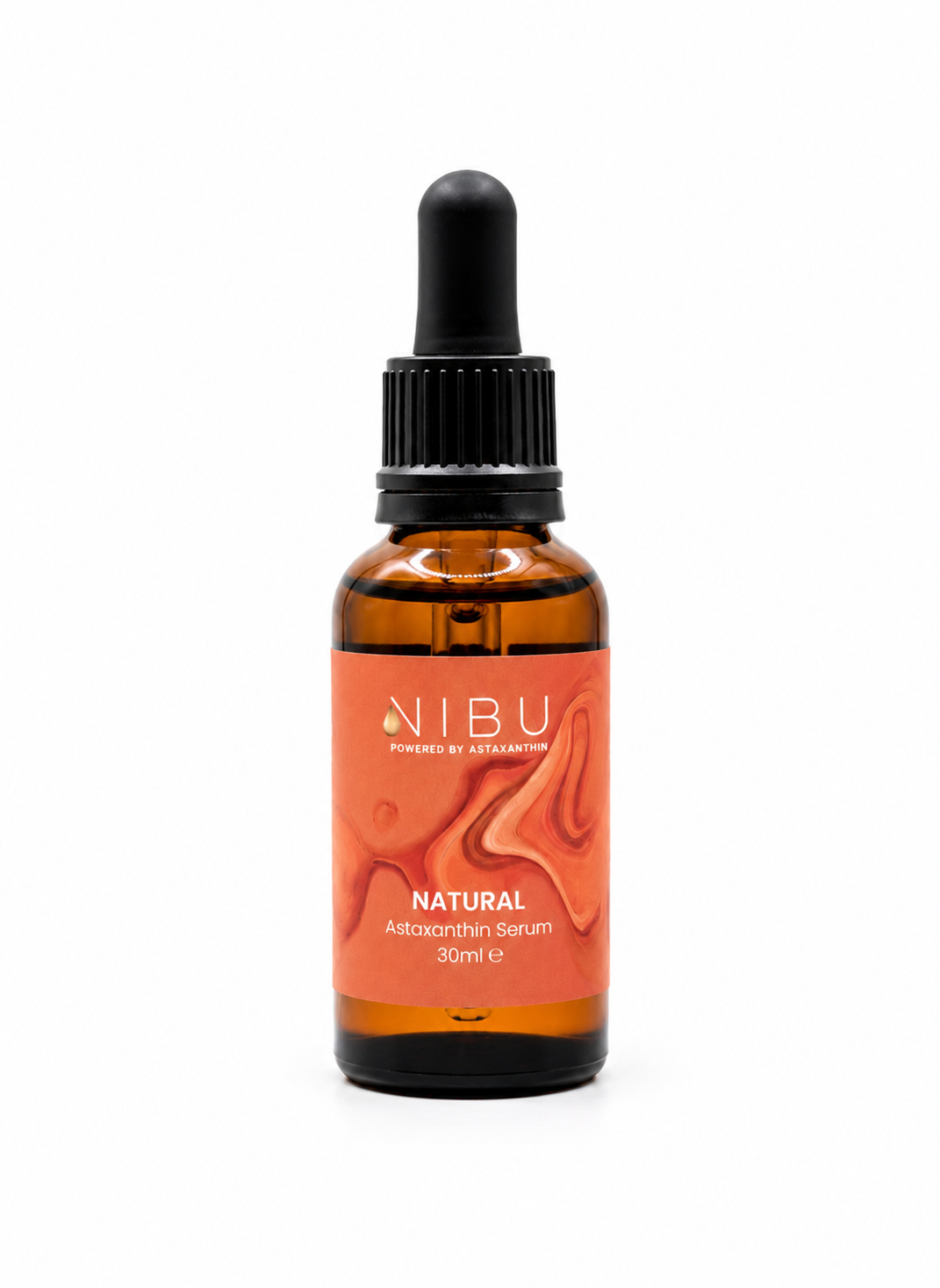
- Apply your Nibu Astaxanthin Serum.
- Follow with moisturiser if needed.
- Finish with a broad-spectrum SPF every day.
Sun protection remains one of the most effective ways to help prevent premature skin ageing. Antioxidants and sunscreen complement each other, but one does not replace the other.
Evening
In the evening, cleanse away the day's impurities before applying your astaxanthin serum. Night-time is when your skin naturally focuses on repair and renewal, making it an ideal opportunity to nourish and hydrate the skin before bed.
The key isn't complexity. It's consistency.
Why We Started with Skincare
Long before Nibu became a healthy ageing brand, it began with a simple belief: healthy-looking skin starts with quality ingredients and a science-led approach.
Our first products were astaxanthin skincare because we were fascinated by the growing body of research into this remarkable antioxidant and its potential role in supporting skin health. As Nibu has grown, that same philosophy has remained at the heart of everything we do.
Whether we're developing skincare or nutritional supplements, our goal is always the same: to help women make informed choices through evidence-based education and carefully considered products. Skincare was where our journey began, and it continues to be an important part of our healthy ageing philosophy.
Myth vs Fact
Myth: Astaxanthin is just another anti-ageing ingredient.
Fact: Astaxanthin is one of many antioxidant ingredients used in skincare. Rather than acting as a miracle solution, it helps protect the skin against oxidative stress and supports healthy-looking skin as part of a consistent skincare routine.
Myth: The higher the percentage of astaxanthin, the better the product.
Fact: A skincare product is about far more than the amount of one ingredient. The quality of the astaxanthin, the formulation, ingredient compatibility, stability and overall product design all influence how the product performs.
Myth: Antioxidant serums replace sunscreen.
Fact: No. Daily sunscreen remains one of the most important ways to protect your skin from UV damage. Antioxidants and sunscreen work well together, but they perform different roles.
Myth: Healthy-looking skin comes from expensive products alone.
Fact: Healthy skin is built through consistent daily habits, including gentle cleansing, hydration, sun protection, a balanced diet, quality sleep and evidence-based skincare.
Frequently Asked Questions
What is astaxanthin in skincare?
Astaxanthin is a naturally occurring carotenoid antioxidant derived from the microalga Haematococcus pluvialis. It is used in skincare to help protect the skin against oxidative stress and support a healthier-looking complexion.
Why does Nibu use Icelandic astaxanthin?
At Nibu, we believe ingredient quality starts with the source. We chose Icelandic astaxanthin because it is cultivated in a carefully controlled environment with a focus on consistency, traceability and quality. These factors align with our commitment to creating premium, evidence-led skincare.
Can astaxanthin help reduce the appearance of fine lines?
Research suggests that topical astaxanthin may help improve the appearance of skin hydration, elasticity and fine lines. However, results vary between individuals and no skincare ingredient can stop the natural ageing process.
Is astaxanthin suitable for sensitive skin?
Many people with sensitive skin tolerate astaxanthin well, particularly when it is included in thoughtfully formulated products. However, everyone's skin is different. If you have particularly sensitive skin, it's always sensible to patch test a new product before applying it more widely.
Can I use astaxanthin every day?
Yes. Astaxanthin serums are generally designed for daily use. Following the instructions provided with your product will help you get the best results while supporting a consistent skincare routine.
Should I use astaxanthin in the morning or evening?
Both. Many people enjoy applying an astaxanthin serum in the morning before sunscreen to help support the skin throughout the day, while others prefer using it in the evening as part of their night-time routine. Some people also choose to use it morning and evening, depending on their skincare routine and the product instructions.
Can I use astaxanthin with vitamin C?
In many skincare routines, yes. Astaxanthin is often used alongside other antioxidant ingredients such as vitamin C and vitamin E. Together, they can form part of a balanced skincare routine designed to support healthy-looking skin.
Is astaxanthin only for mature skin?
Not at all. Healthy skincare isn't about waiting until signs of ageing appear. Protecting your skin from everyday environmental stress and supporting its natural barrier can be beneficial at any adult age. That's why many people choose antioxidant skincare as part of a long-term approach to maintaining healthy-looking skin.
Key Takeaways
- Astaxanthin is a naturally occurring antioxidant used in premium skincare.
- It helps protect the skin against oxidative stress, one of the contributors to visible skin ageing.
- Ingredient quality begins with the source, cultivation and formulation.
- Daily skincare is most effective when combined with simple healthy habits, including sun protection.
- Healthy-looking skin is built through consistency, not quick fixes.
The Nibu Longevity Take
Healthy-looking skin isn't about chasing perfection. It's about caring for your skin in a way that's sustainable, realistic and rooted in good science.
At Nibu, we believe that every product should earn its place in your routine. That's why we place so much importance on ingredient quality, thoughtful formulation and evidence-based education.
Our choice to use Icelandic astaxanthin reflects that philosophy. Not because we believe one ingredient can transform your skin overnight, but because we believe premium skincare begins with premium ingredients, supported by consistent daily habits.
Beautiful skin is rarely the result of one product. It's the result of the small choices you make every day.
Conclusion
Astaxanthin has earned its place as one of the most exciting antioxidant ingredients in modern skincare, and for good reason. Its ability to help protect the skin from oxidative stress, combined with its growing body of scientific research, has made it an increasingly popular choice in premium formulations.
At Nibu, our decision to use Icelandic astaxanthin was guided by the same principles that shape everything we do: quality, transparency and evidence-led formulation.
Whether you're just beginning your skincare journey or refining an established routine, healthy-looking skin starts with consistency, thoughtful ingredient choices and looking after your skin every day.
References
- Tominaga K, Hongo N, Fujishita M, Takahashi Y, Adachi Y. Protective effects of astaxanthin on skin deterioration. Carotenoid Science. 2012.
- Yoshihisa Y, Andoh T. Effects of astaxanthin on skin health. Nutrients. 2014;6(2):845-863.
- Ambati RR, Phang SM, Ravi S, Aswathanarayana RG. Astaxanthin: Sources, extraction, stability, biological activities and commercial applications. Marine Drugs. 2014;12(1):128-152.
- Fassett RG, Coombes JS. Astaxanthin: A potential therapeutic agent in cardiovascular disease. Marine Drugs. 2011;9(3):447-465.
- Guerin M, Huntley ME, Olaizola M. Haematococcus astaxanthin: Applications for human health and nutrition. Trends in Biotechnology. 2003;21(5):210-216.
- Suganuma K, Nakajima H, Ohtsuki M, Imokawa G. Astaxanthin improves the appearance of photoaged skin. Journal of Clinical Biochemistry and Nutrition. 2010.
- Stahl W, Sies H. Carotenoids and skin protection. Molecular Aspects of Medicine. 2003;24(6):345-351.
- American Academy of Dermatology Association. Sunscreen: How to help protect your skin from the sun.
- British Association of Dermatologists. Sun protection guidance.
- Pullar JM, Carr AC, Vissers MCM. The roles of vitamin C in skin health. Nutrients. 2017.
Continue Reading
If you enjoyed this article, you may also like:
- The Complete Guide to Astaxanthin
- Astaxanthin for Skin: Benefits, Evidence and How It Works
- Oxidative Stress Explained: Why It Matters for Healthy Ageing
- Inflammaging: The Hidden Cause of Ageing
- How to Build a Healthy Ageing Skincare Routine
About The Nibu Journal
The Nibu Journal is the educational home of Nibu Naturals, created to help women make informed decisions about healthy ageing through clear, evidence-based guidance. From skincare and nutrition to lifestyle and wellbeing, every article is written to simplify the science and support healthier choices. We believe education should always come first, because informed decisions lead to lasting habits.
Medical Disclaimer
The information in this article is intended for educational purposes only and should not be considered medical advice. Skincare products are cosmetic products and are not intended to diagnose, treat, cure or prevent disease. If you have a skin condition, persistent irritation or concerns about your skin, consult a GP or dermatologist before introducing new products into your routine.

Read more
5 Skincare Habits to Start in 2026 for Your Best Skin Ever
Make 2026 your best skin year with these 5 transformative habits built around the Nibu Naturals collection. Discover how astaxanthin-powered products create a simple, effective routine that deliver...
Weiterlesen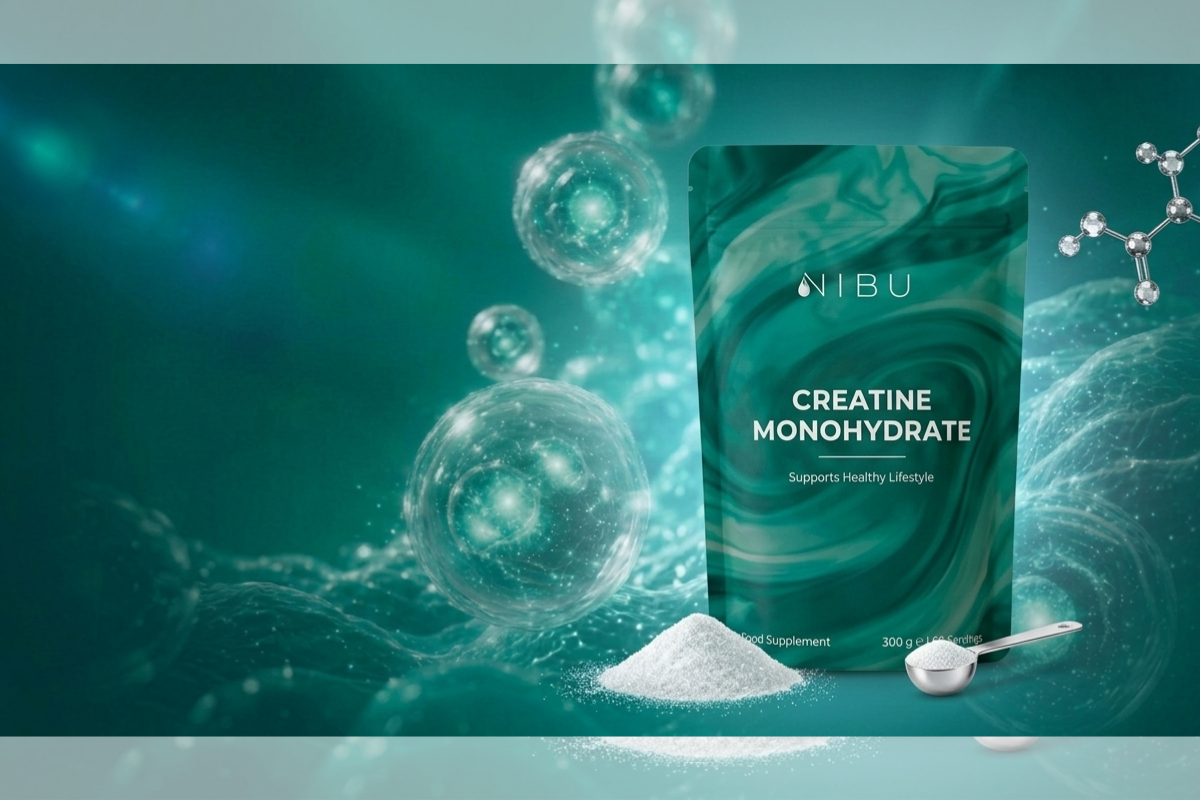
Creatine Monohydrate for Women: Benefits, Dosage and Healthy Ageing Support
Creatine Monohydrate 100% Micronised Creatine Monohydrate. Ultra-pure. No fillers. No artificial anti-caking agents. Just the fuel your cells need. £24.95 | 300g | 60 Servings Available to order ...
WeiterlesenShop
Bestseller