
Inflammaging: The Hidden Cause of Ageing (And What You Can Do About It)
Inflammaging: The Hidden Cause of Ageing (And What You Can Do About It)
When most people think about ageing, they imagine wrinkles, grey hair, or aching joints.
But beneath the surface, another process is quietly taking place, one that scientists now believe plays a major role in how we age.
It's called inflammaging.
Inflammaging describes the low-grade, chronic inflammation that gradually develops as we get older. Unlike the inflammation that helps your body heal after an injury or fight an infection, inflammaging is subtle, persistent, and often goes unnoticed for years.
Researchers now believe this ongoing inflammation may contribute to many of the conditions commonly associated with ageing, including cardiovascular disease, type 2 diabetes, cognitive decline, osteoporosis, and reduced muscle function.
The encouraging news?
Although ageing is inevitable, many of the lifestyle factors that influence inflammaging are within our control.
In this article, we'll explain what inflammaging is, why it matters, and the science-backed habits that may help support healthier ageing.
Quick Summary
In this article, you'll learn:
- What inflammaging actually means
- Why chronic inflammation increases with age
- The difference between helpful and harmful inflammation
- How oxidative stress contributes to ageing
- The everyday habits that may help reduce chronic inflammation
- Where supplements such as astaxanthin may fit into a healthy ageing lifestyle
What Is Inflammaging?
Inflammaging is a term used to describe chronic, low-grade inflammation that develops naturally as we age.
Unlike acute inflammation, which helps repair tissues after an injury, inflammaging is much less obvious.
It doesn't usually cause pain or swelling.
Instead, the immune system remains slightly activated for years.
Imagine a small fire that's never completely extinguished.
It doesn't cause immediate damage, but over decades, the constant heat slowly affects the surrounding structure.
Scientists believe something similar happens inside the body.
As we age, inflammatory signals become more active while the body's ability to regulate them gradually declines.
This persistent inflammation may contribute to the ageing process itself.
Acute vs Chronic Inflammation
Inflammation often gets a bad reputation, but it's actually essential for survival.
If you cut your finger, your immune system creates inflammation to:
- Fight bacteria
- Remove damaged cells
- Begin tissue repair
Once healing is complete, inflammation should switch off.
Problems arise when it doesn't.
Acute Inflammation
✅ Short-term
✅ Helpful
✅ Supports healing
Chronic Inflammation (Inflammaging)
⚠ Low-grade
⚠ Long-lasting
⚠ May contribute to age-related decline
The goal isn't to eliminate inflammation altogether; it's to maintain a healthy balance.
Why Does Inflammaging Happen?
Scientists believe several processes contribute.
Cellular Ageing
As cells become older, some stop dividing but don't die.
These are known as senescent cells.
Instead of remaining inactive, they begin releasing inflammatory molecules that can influence nearby tissues.
Oxidative Stress
Every day, our cells produce free radicals.
Normally, antioxidants help keep them under control.
However, when free radical production exceeds the body's antioxidant defences, oxidative stress develops.
Oxidative stress and inflammation reinforce one another, creating a cycle that may accelerate ageing.
This is one reason antioxidants remain an active area of healthy ageing research.
Changes in the Immune System
As we grow older, the immune system becomes less efficient.
Researchers sometimes refer to this as immunosenescence.
The immune response becomes less precise, allowing inflammatory activity to remain elevated for longer than necessary.
Lifestyle Factors
Age isn't the only influence.
Modern lifestyles can also increase the inflammatory burden.
These include:
- Poor sleep
- Chronic psychological stress
- Physical inactivity
- Smoking
- Excess body fat
- Diets high in ultra-processed foods
- Excess alcohol
Over time, these factors may amplify inflammaging.
What Health Conditions Are Linked to Inflammaging?
Scientists now believe inflammaging may play a role in many age-related conditions. It's important to remember that inflammation is one contributing factor rather than the sole cause, but understanding its role helps explain why healthy lifestyle habits become increasingly important as we age.
Research has linked chronic low-grade inflammation with:
- Cardiovascular disease
- Type 2 diabetes
- Osteoarthritis
- Osteoporosis
- Cognitive decline
- Alzheimer's disease
- Frailty
- Sarcopenia (age-related muscle loss)
While no single food or supplement can prevent these conditions, supporting a healthy inflammatory balance may contribute to healthier ageing over time.
Why Inflammaging Matters More for Women
Women experience several hormonal transitions throughout life, with menopause being one of the most significant.
As oestrogen levels decline during perimenopause and menopause, many women notice changes such as:
- Reduced muscle mass
- Increased abdominal fat
- Joint stiffness
- Slower recovery
- Changes in skin appearance
- Brain fog
- Reduced energy
Oestrogen has important effects on inflammation and antioxidant defence. As levels naturally decline, some inflammatory markers may increase, making lifestyle habits even more important.
This doesn't mean inflammation suddenly becomes harmful after menopause. Rather, it highlights why nutrition, exercise, sleep, and stress management become increasingly valuable during this stage of life.
Can Lifestyle Reduce Inflammaging?
One of the most encouraging aspects of inflammaging research is that many of the factors influencing it are modifiable.
Healthy ageing isn't about finding one miracle supplement.
It's about consistently making small decisions that support your body over decades.
Prioritise Regular Exercise
Exercise is one of the most effective lifestyle strategies for supporting healthy ageing.
Regular movement helps:
- Support a healthy inflammatory balance
- Improve insulin sensitivity
- Preserve muscle mass
- Support cardiovascular health
- Improve mitochondrial function
Resistance training is particularly valuable because maintaining muscle becomes increasingly important with age.
Even two or three strength-training sessions each week can have meaningful long-term benefits.
👉 Related reading: Does Creatine Make Women Gain Weight?
Eat a Diet Rich in Whole Foods
Nutrition provides the building blocks your body needs for repair and recovery.
A dietary pattern rich in:
- Colourful vegetables
- Fruits
- Oily fish
- Olive oil
- Nuts
- Seeds
- Beans
- Whole grains
provides vitamins, minerals, fibre, and naturally occurring antioxidants that support overall health.
Rather than focusing on one "superfood", aim for consistency and variety.
Prioritise Sleep
Poor sleep doesn't just affect how you feel the next day.
Research suggests chronic sleep deprivation may increase inflammatory markers and negatively affect immune function.
Adults should generally aim for 7–9 hours of quality sleep each night.
Manage Stress
Short-term stress is a normal part of life.
Long-term stress is different.
Chronically elevated stress hormones may contribute to inflammation over time.
Helpful strategies include:
- Walking outdoors
- Yoga
- Meditation
- Breathwork
- Spending time with friends
- Limiting screen time before bed
Don't Forget Muscle
One area often overlooked in longevity conversations is muscle health.
Muscle isn't just important for movement.
Healthy muscle supports:
- Metabolism
- Blood sugar regulation
- Balance
- Independence
- Healthy ageing
Maintaining muscle should be viewed as a cornerstone of longevity, not simply fitness.
Where Do Antioxidants Fit In?
As we age, oxidative stress and inflammation often interact.
Free radicals are produced naturally during normal metabolism.
Antioxidants help neutralise these molecules before they can contribute to oxidative damage.
This is why diets naturally rich in antioxidant-containing foods continue to receive so much scientific attention.
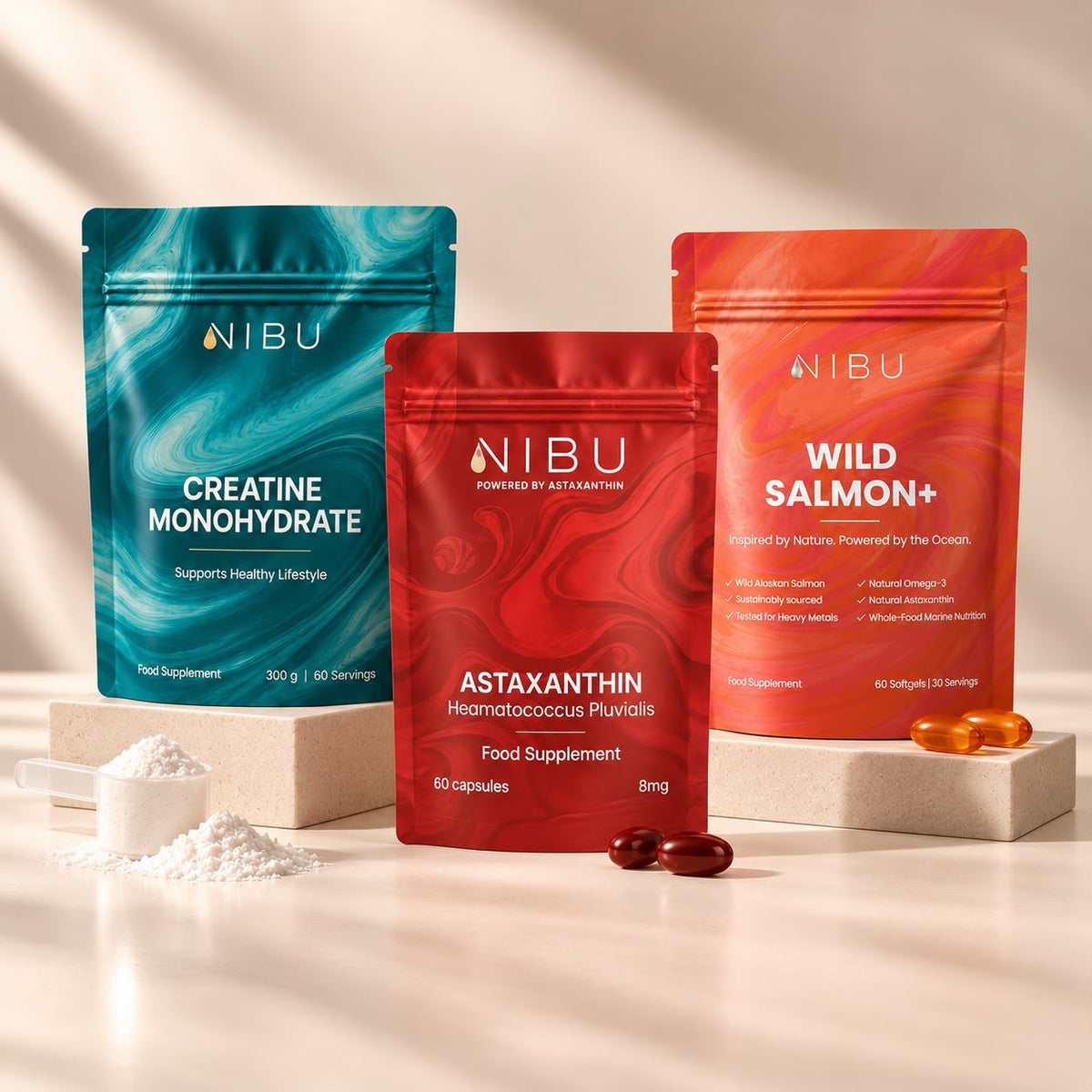
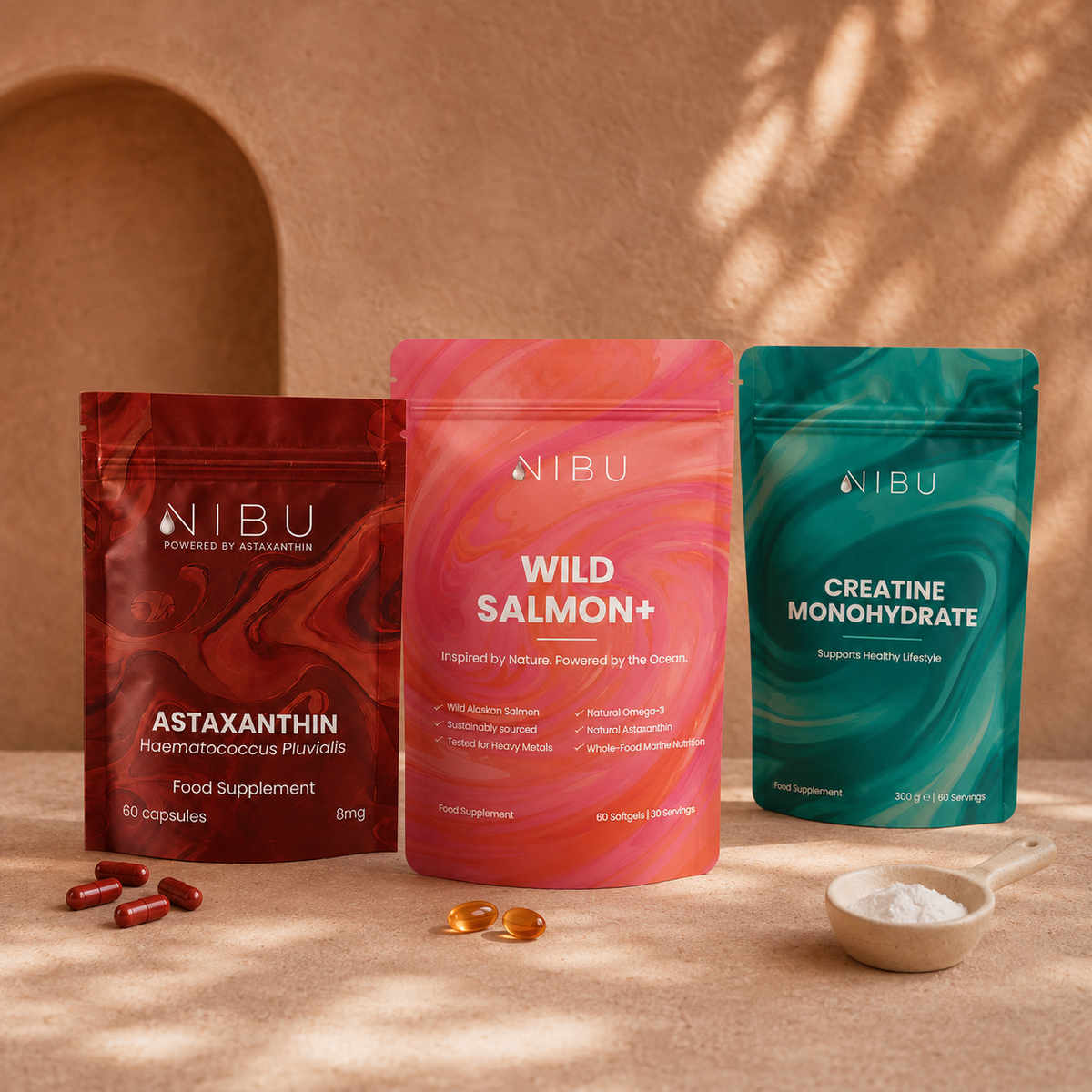
Certain supplements, including astaxanthin, have also been studied for their antioxidant properties.
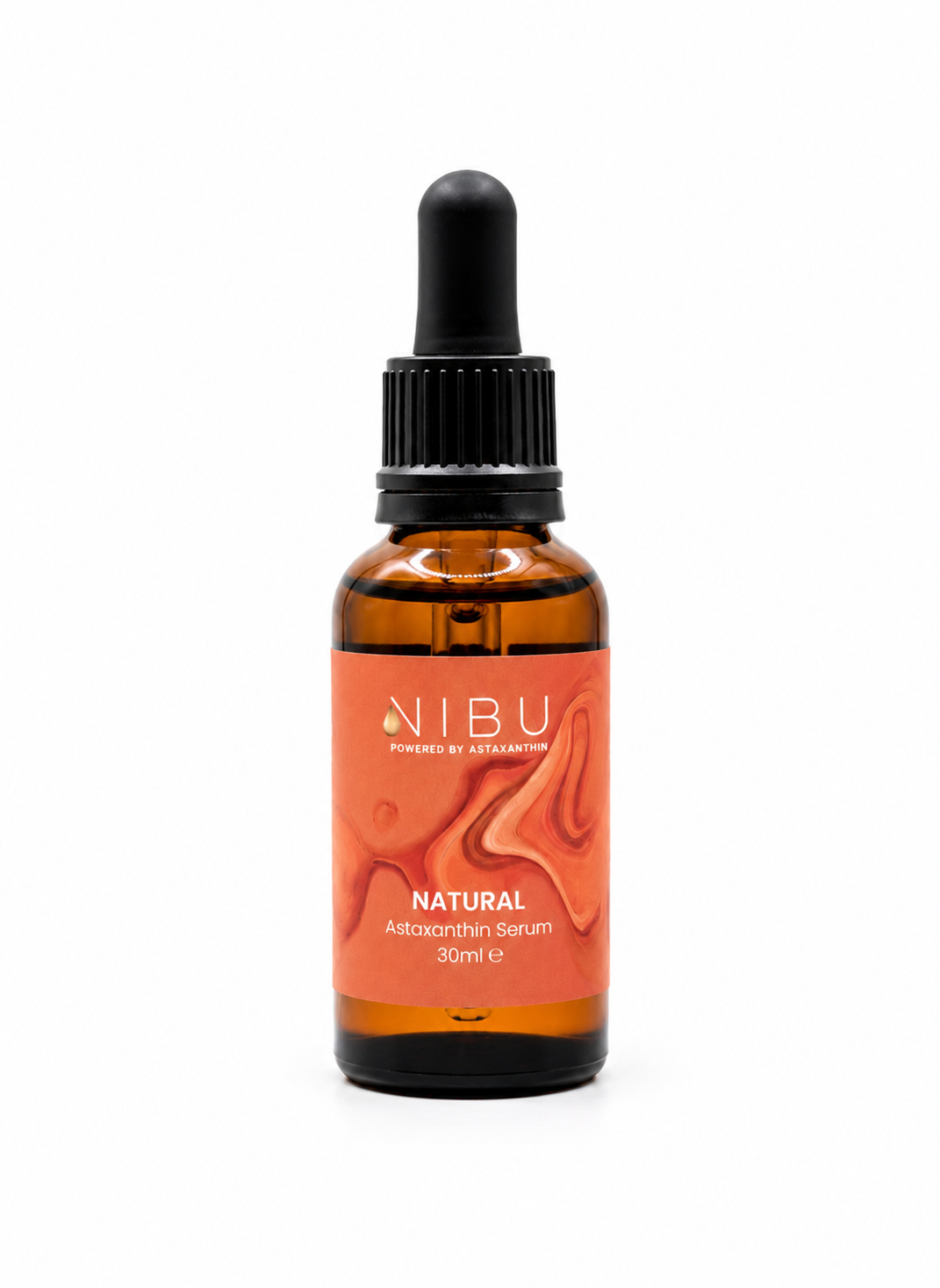
Astaxanthin is a naturally occurring carotenoid found in microalgae and is responsible for the pink-red colour of salmon and flamingos.
Research suggests astaxanthin has powerful antioxidant activity and may help protect cells from oxidative stress. However, like any supplement, it works best as part of a healthy lifestyle rather than a replacement for one.
👉 Explore our Astaxanthin Collection
Myth vs Fact
Myth: Inflammation is always bad.
Fact: Inflammation is essential for healing. Problems arise when low-grade inflammation becomes chronic.
Myth: Inflammaging only affects older adults.
Fact: The processes associated with inflammaging begin gradually throughout adulthood and are influenced by lifestyle choices over many years.
Myth: One supplement can stop ageing.
Fact: Healthy ageing is influenced by nutrition, exercise, sleep, stress management, genetics, and overall lifestyle. Supplements should complement—not replace—these foundations.
Frequently Asked Questions
What is inflammaging?
Inflammaging refers to the chronic, low-grade inflammation that develops with age and may contribute to many age-related health conditions.
What causes inflammaging?
Ageing itself plays a role, but factors including poor sleep, inactivity, obesity, smoking, chronic stress, and poor nutrition may also contribute.
Can inflammaging be reversed?
Ageing cannot be reversed, but many lifestyle habits may help support a healthier inflammatory balance and reduce the factors that contribute to chronic inflammation.
Is inflammaging the same as autoimmune disease?
No. Inflammaging describes low-grade inflammation associated with ageing, whereas autoimmune diseases occur when the immune system mistakenly attacks healthy tissues.
Does exercise reduce inflammation?
Regular physical activity has consistently been associated with improved inflammatory balance and is considered one of the most effective lifestyle strategies for healthy ageing.
Is astaxanthin anti-inflammatory?
Research suggests astaxanthin may help support the body's antioxidant defences and healthy inflammatory response. More research continues to explore its potential role in healthy ageing.
Key Takeaways
- Inflammaging describes the chronic, low-grade inflammation associated with ageing.
- Lifestyle choices influence how inflammation develops over time.
- Exercise, sleep, nutrition, and stress management remain the foundations of healthy ageing.
- Maintaining muscle mass is an essential part of longevity.
- Antioxidants, including astaxanthin, may support the body's natural defences against oxidative stress.
- Healthy ageing is about long-term consistency, not quick fixes.
Conclusion
Ageing is inevitable, but how we age is influenced by many of the choices we make every day.
Understanding inflammaging helps explain why healthy habits become increasingly important with age. Supporting your body through regular movement, balanced nutrition, quality sleep, and effective stress management may help promote healthier ageing and long-term wellbeing.
At Nibu Naturals, we believe longevity isn't about chasing youth; it's about helping women feel stronger, healthier, and more vibrant at every stage of life. Evidence-based education, alongside carefully selected supplements, can play a meaningful role in that journey.
References
- Franceschi C, et al. Inflammaging and 'Garb-aging'. Trends Endocrinol Metab. 2017.
- Furman D, et al. Chronic inflammation in the aetiology of disease across the life span. Nat Med. 2019.
- Calder PC, et al. Optimal nutritional status for a well-functioning immune system. Nutrients. 2020.
- World Health Organization. Physical Activity Guidelines.
- Cruz-Jentoft AJ, et al. Sarcopenia: Revised European Consensus. Age Ageing. 2019.
- Ambati RR, et al. Astaxanthin: Sources, Extraction, Stability and Biological Activities. Mar Drugs. 2014.
About The Nibu Journal
The Nibu Journal is the educational resource from Nibu Naturals, dedicated to evidence-based healthy ageing, women's wellness, and longevity. Our articles are independently researched, reviewed before publication, and written to make complex health topics clear, practical, and easy to understand. Our mission is to help women make informed decisions about nutrition, supplementation, and healthy ageing through trustworthy, science-led education.
Reviewed for scientific accuracy by a member of the Nibu Naturals team with an MPharm (Master of Pharmacy).

Read more
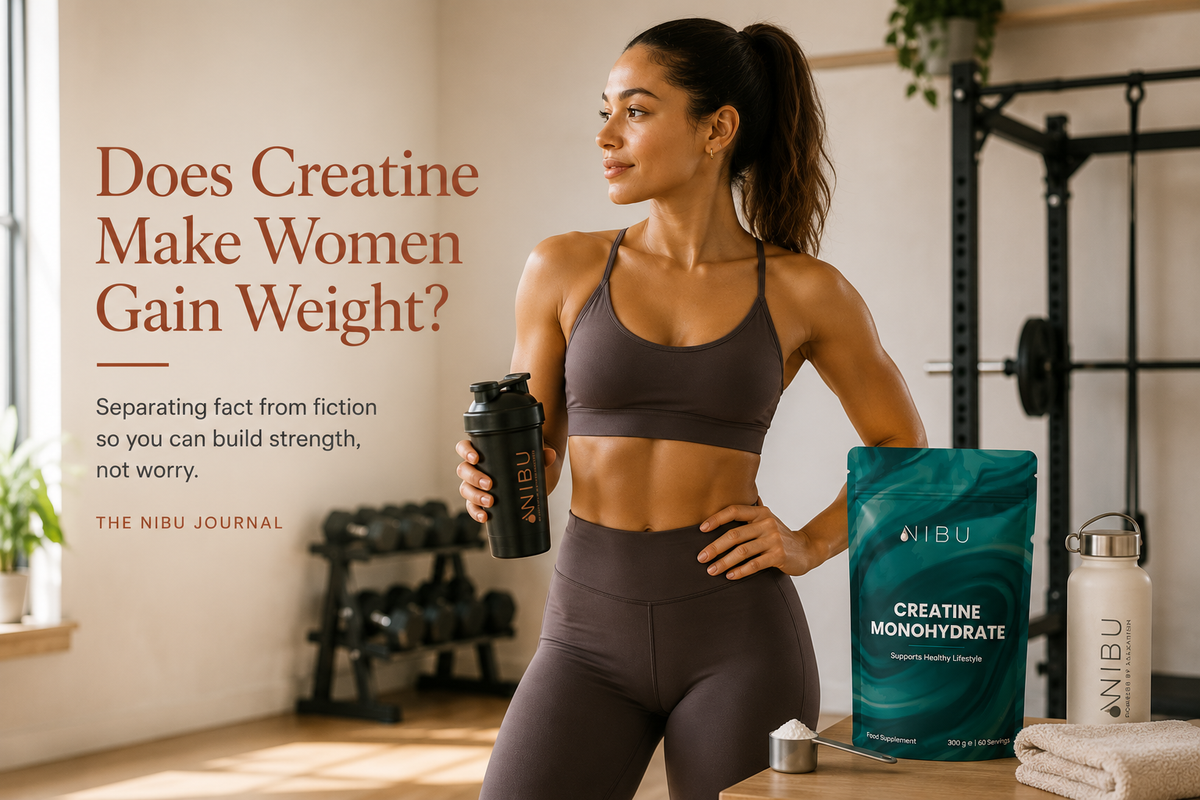
Does Creatine Make Women Gain Weight? Water Weight vs Fat Gain Explained
Many women avoid creatine because they worry it will make them gain weight. Discover what really happens when you take creatine, why the scales may change, and what the latest research says about b...
Weiterlesen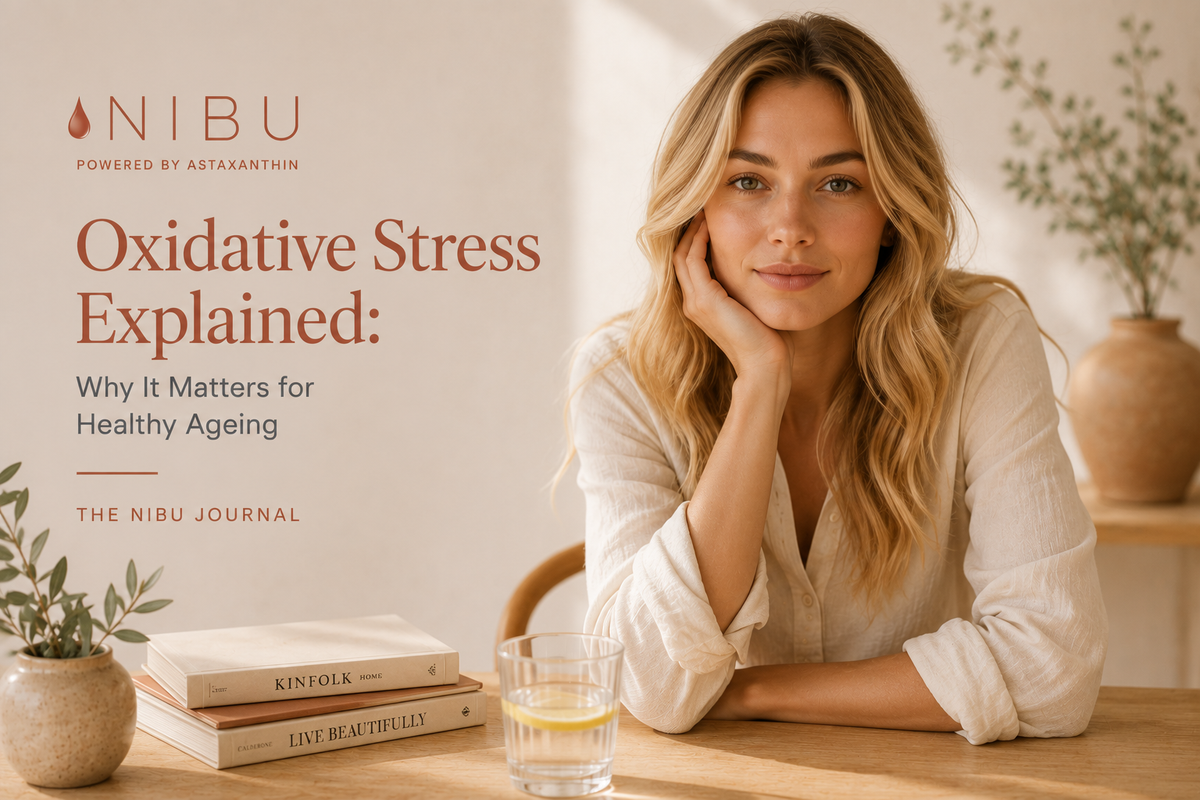
Oxidative Stress Explained: Why It Matters for Healthy Ageing
Discover what oxidative stress really is, how it affects healthy ageing, and practical ways to protect your cells through nutrition, lifestyle and evidence-based supplementation.
WeiterlesenShop
Bestseller
%0AWhen%20most%20people%20think%20about%20ageing,%20they%20imagine%20wrinkles,%20grey%20hair,%20or%20aching%20joints.%0ABut%20beneath%20the%20surface,%20another%20pro...)
