Artikel: Skin Ageing in Your 20s and 30s: What Actually Matters?
Skin Ageing in Your 20s and 30s: What Actually Matters?
Quick Answer
Skin ageing begins gradually throughout adulthood, but there is no birthday when your skin suddenly starts deteriorating. Changes occur through a combination of normal biological ageing, genetics, ultraviolet exposure, smoking, pollution, hormones, lifestyle, skin-barrier changes and cumulative environmental exposure.
Your 20s and 30s are therefore not the time to panic about wrinkles. They are an opportunity to establish simple habits that support healthy skin for the decades ahead. The most important things are surprisingly unglamorous: protecting skin from excessive UV exposure, not smoking, cleansing gently, moisturising appropriately, eating well, sleeping adequately and using evidence-based skincare consistently rather than constantly chasing new trends.
Antioxidants, including Astaxanthin, can form part of that wider picture. But no serum, supplement or “anti-ageing” ingredient replaces the foundations.
What You’ll Learn
- when skin ageing actually begins
- what happens to collagen as we age
- intrinsic ageing vs photoageing
- what UV exposure really does to skin
- whether you need retinol in your 20s
- why your skin barrier matters
- how smoking, sleep and nutrition affect skin
- whether collagen supplements are worth taking
- where antioxidants fit
- why Astaxanthin became Nibu’s hero ingredient
- what a sensible skincare routine looks like in your 20s and 30s
Introduction: If You’re 27, You Don’t Need to Start Fighting Your Face
There is something uncomfortable about the way women are introduced to skin ageing. Often very early. You turn 25 and suddenly the internet begins telling you: your collagen is disappearing, your face is sagging, your cells are slowing down, you need retinol, you need peptides, you need collagen powder, you need ten products before bed, you need to prevent ageing before it is “too late”.
We do not think that is a healthy way to talk to women. Skin changes because you are alive. That is normal. The goal should not be to preserve your 23-year-old face forever. It should be to support healthy, comfortable, resilient skin throughout adulthood. That is a much more useful conversation.
What Is Skin Ageing?
Skin ageing happens through two broad processes.
Intrinsic ageing refers to the natural biological changes that occur with time, involving cellular turnover, collagen and elastin, skin thickness, hydration, repair processes and changes within the extracellular matrix. Intrinsic ageing happens to everyone.
Extrinsic ageing describes changes driven or accelerated by outside influences most importantly ultraviolet radiation, smoking, pollution and environmental exposure. Together, intrinsic and extrinsic processes influence how skin changes over decades. A modern review of skin biology describes ageing as a combination of programmed cellular changes and external influences including UV radiation and pollution, with oxidative stress and extracellular-matrix changes playing important roles.
Does Skin Really Start Ageing at 25?
There is no scientific switch that flips on your 25th birthday. You will often read statements such as: “Collagen production drops 1% every year after age 25.” The reality is not that precise. Collagen biology changes gradually with age and is influenced by genetics, hormones, UV exposure, smoking and many other factors. There is no universal annual percentage that accurately describes every woman’s skin from a particular birthday onwards.
That is an important message because otherwise a useful biological concept becomes a fear-based marketing statistic. Yes, collagen changes with age. No, you do not suddenly lose control of your skin at 25.
What Is Collagen?
Collagen is a family of structural proteins. In skin, collagen fibres form an important part of the dermal extracellular matrix, helping provide structure and mechanical strength. Elastin contributes to elasticity. Other molecules help manage water and the surrounding structural environment.
As skin ages, collagen quantity, organisation and turnover can change. UV exposure can also increase enzymes involved in collagen degradation, which is one reason long-term sun exposure contributes so strongly to visible photoageing. But collagen is only one component of healthy skin. Healthy skin also relies on a functioning barrier, adequate hydration, lipids, blood supply, pigmentation, immune function and cellular repair. Skin is an organ. Not a collagen sheet.
Photoageing: The Part of Skin Ageing We Can Influence
One of the clearest differences between intrinsic and extrinsic ageing is that we have much more influence over the second. Repeated ultraviolet exposure contributes to changes including uneven pigmentation, rougher texture, loss of elasticity, wrinkling and changes in collagen and elastin.
A randomised controlled trial involving 903 adults found that regular broad-spectrum sunscreen use resulted in significantly less measurable skin ageing over 4.5 years than discretionary use. This does not mean women need to become afraid of daylight. It means repeated UV exposure is biologically relevant to skin ageing. The sensible approach is protection rather than fear.
Do You Need SPF Every Day?
Sun protection should be considered according to your UV exposure, skin type, environment and current guidance. Broad-spectrum sunscreen is one useful tool alongside shade, clothing, hats and avoiding unnecessary prolonged exposure. Research supports regular photoprotection as one of the strongest evidence-based measures for reducing photoageing.
And this is important for Nibu: antioxidants do not replace sun protection. Astaxanthin is being researched in relation to oxidative stress and UV-associated skin responses. That does not make Astaxanthin skincare or supplementation an SPF. Those are different things.
Your 20s: Keep It Simple
For most women in their 20s, skincare does not need to become complicated. A simple routine might include:
- Cleanse — remove makeup, sunscreen and daily residue gently
- Moisturise — support comfort and the skin barrier according to your skin type
- Protect — use appropriate sun protection when required
- Add targeted ingredients if you have a reason — for example acne treatment, pigmentation treatment, antioxidants, retinoids where appropriate, products for specific sensitivity or dryness
You do not need seven serums simply because social media tells you there are seven steps.
Your 30s: What Changes?
Nothing dramatic happens on your 30th birthday. But some women begin noticing subtle differences such as greater dryness, slower recovery from irritation, faint lines that remain visible at rest, changes in pigmentation, uneven texture and changes around the eyes. Lifestyle may also look very different less sleep, more work, pregnancy, children, stress, less time outdoors or perhaps much more. All of these affect your relationship with your skin. Your routine may therefore need to evolve. But evolving does not mean adding everything.
The Skin Barrier Matters More Than You Think
The outermost layer of the skin, particularly the stratum corneum, helps regulate water loss and provides a defensive barrier between your body and the external environment. When the barrier is disrupted, skin may feel tight, dry, rough, irritated or sensitive.
This is one reason overly aggressive skincare can be counterproductive. If your routine involves an acid, a retinoid, a scrub, another acid, a strong cleanser and then another active, your skin may not thank you simply because each ingredient sounds scientifically impressive. Healthy skincare should support the skin. Not endlessly challenge it.
Cleansing: More Is Not Better
Cleansing should remove what needs removing without leaving skin feeling stripped. If your face feels tight, itchy, squeaky or uncomfortable after every cleanse, that is not necessarily evidence that you cleaned it particularly well it may be evidence that your routine is too harsh. For many people, one thorough evening cleanse plus a simpler morning routine may be completely adequate. Your own skin should guide you.
Moisturiser Is Not Boring
Moisturiser rarely receives the same excitement as trendy active ingredients. But supporting skin hydration and barrier comfort is foundational. A good moisturiser can help reduce water loss, soften the skin, improve comfort and support barrier function. You do not need the most complicated formulation on the shelf. You need one that suits your skin and that you actually enjoy using. Consistency beats novelty.
Do You Need Retinol in Your 20s?
Not simply because you have turned 25. Retinoids are among the best-studied topical treatments for photoaged skin. Prescription tretinoin in particular has a strong evidence base a systematic review of randomised controlled trials found consistent improvements in clinical features of photoageing including wrinkling and pigmentation, although irritation and tolerability remain important considerations. A 2024 systematic review similarly described tretinoin as the reference treatment against which many other topical photoageing therapies are compared.
But that does not mean every 22-year-old needs prescription tretinoin for ageing prevention. Whether a retinoid belongs in your routine depends on your skin, your goals, tolerability, pregnancy considerations and medical advice where appropriate. Skincare should solve an actual problem. Not create one because you are afraid of getting older.
Antioxidants and Skin Ageing
Antioxidants are another major area of skincare interest. Oxidative stress contributes to many biological processes involved in extrinsic skin ageing. That is one reason ingredients such as vitamin C, vitamin E, polyphenols and carotenoids are researched in skin health. But antioxidants are not interchangeable. Nor should we judge them using simplistic “strongest antioxidant” rankings. This is something we explored in our article: Astaxanthin vs Other Antioxidants: How Does It Compare with Vitamin C, Vitamin E and CoQ10?
Where Astaxanthin Fits
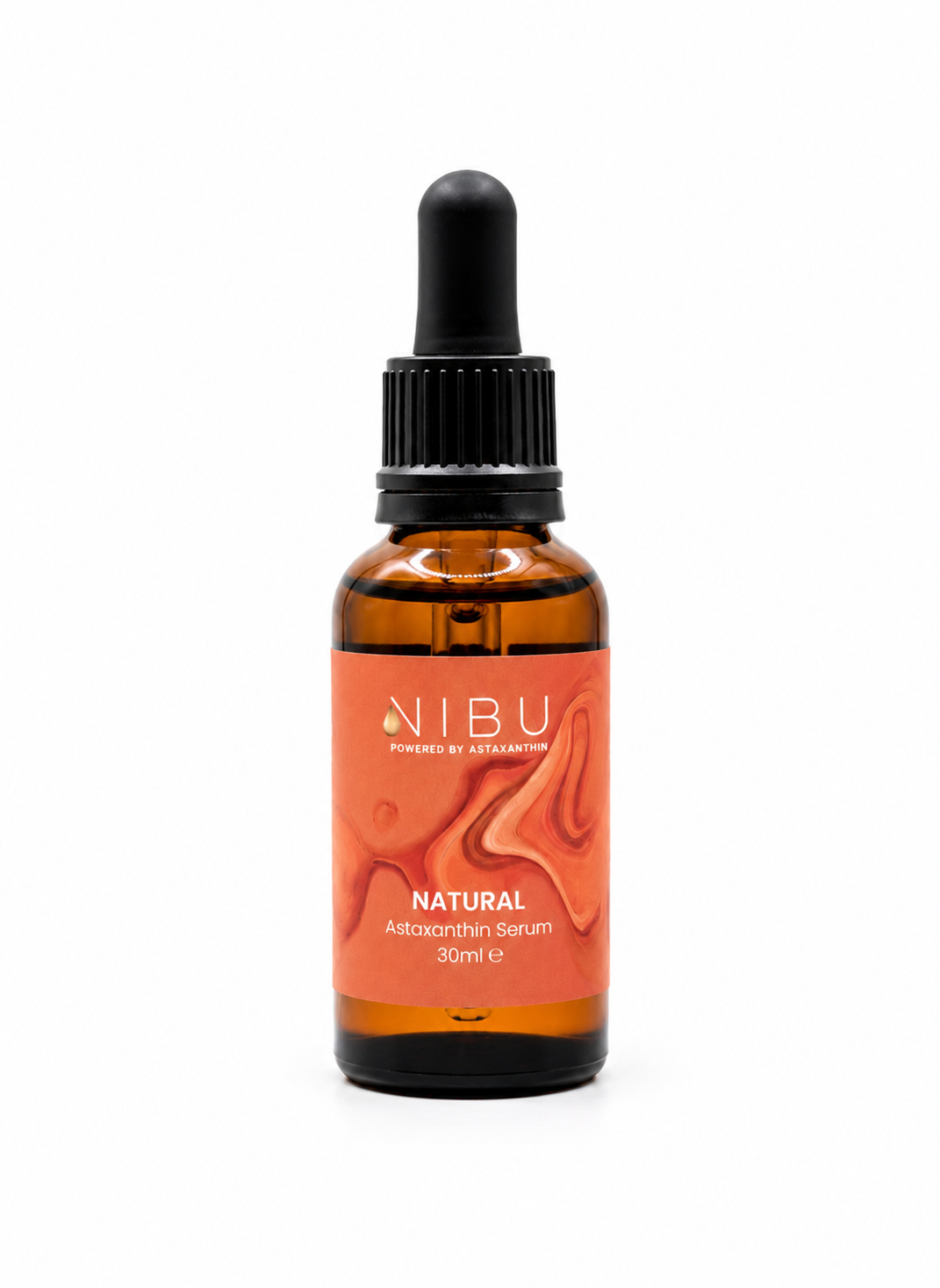
Astaxanthin is particularly important to Nibu because it is where our skincare story began. It is a red-orange carotenoid naturally produced by microalgae including Haematococcus pluvialis. Astaxanthin has antioxidant properties and has been investigated in relation to oxidative stress, skin moisture, elasticity, UV-associated skin responses and healthy skin ageing.
Human research is particularly encouraging around certain skin parameters, including moisture and elasticity, while research into Astaxanthin, oxidative stress and skin health continues to develop. Long before we became a wider healthy-ageing brand, Nibu began with topical Astaxanthin skincare. The supplement came later. Today, Astaxanthin remains at the heart of our skincare philosophy and our wider Healthy Ageing, Inside & Out approach. We don’t need to call Astaxanthin a miracle anti-ageing ingredient to be excited by it. The real science is interesting enough.
Do You Need Astaxanthin Skincare in Your 20s?
You don’t need to wait for visible signs of ageing before taking good care of your skin. Equally, you don’t need to start using Astaxanthin because you have reached a particular birthday. Astaxanthin skincare can simply form part of a consistent healthy-skin routine. It may particularly appeal if you are looking for antioxidant-focused skincare, a nourishing everyday routine, skincare centred around healthy-looking skin rather than covering or “correcting” age, the distinctive Nibu Glow finish, or an ingredient with an interesting and developing body of skin research. Your foundations still matter. Gentle care. Consistency. Appropriate sun protection. A healthy skin barrier. Astaxanthin doesn’t replace those foundations. It can become part of them.
What About Oral Astaxanthin?
Oral Astaxanthin has been studied in relation to several skin parameters. Our recent Astaxanthin articles have covered that evidence in depth. The important point for younger women is: you do not need to start taking supplements because you are afraid your skin is ageing. If you choose to use Astaxanthin, it should be an informed decision within a much broader healthy lifestyle. The same rule applies at 25, 35, 45 or 65. Supplements support. They do not replace foundations.
Sleep and Skin
We tend to talk about sleep in relation to energy and brain health. But skin is biologically active during sleep too. A study comparing good and poor sleepers found that chronic poor sleep was associated with higher intrinsic ageing scores, poorer skin-barrier recovery and greater transepidermal water loss. This was an association study rather than proof that a few late nights will prematurely age your face. The useful message is simpler: chronic sleep deprivation is not ideal for whole-body health, and skin is part of the body. No night serum can turn four hours of sleep into eight.
Smoking and Skin Ageing
Smoking belongs in any serious conversation about healthy skin ageing. Tobacco smoke exposes tissues to numerous compounds that contribute to oxidative stress and vascular effects. Smoking is associated with premature skin ageing and wrinkling. This is one of those cases where lifestyle matters more than buying another skincare product. You cannot completely compensate for smoking with antioxidants. That is not how the biology works.
What About Alcohol?
Alcohol is more complicated. An occasional drink does not suddenly age your face. But higher alcohol intake can influence sleep, hydration, nutrition, inflammation and overall health. Skin reflects the wider body. Rather than obsessing over whether one glass of wine produces a wrinkle, think about your overall pattern. Healthy ageing is about patterns, not isolated evenings.
Does Food Affect Skin Ageing?
Nutrition affects skin because skin is living tissue. It requires protein, essential fatty acids, vitamins, minerals and energy. A recent systematic review and meta-analysis of human dietary interventions found that different nutritional interventions influenced different skin outcomes, although there was considerable variation between studies. The broader lesson is more useful than searching for one “skin superfood”: eat a varied diet containing vegetables, fruit, protein-rich foods, whole grains, nuts, seeds, oily fish where appropriate and healthy fats. The foods that support your heart, muscles and metabolic health tend to support skin too.
Do You Need Collagen Supplements at 25?
Probably not automatically. Collagen supplements are enormously popular, and earlier meta-analyses found apparent improvements in hydration, elasticity and wrinkles. However, a 2025 meta-analysis looked more closely at study quality and funding. Across all trials, collagen supplementation appeared beneficial. But when researchers examined higher-quality trials and studies without pharmaceutical-company funding, the apparent benefits were no longer statistically significant. That is important. It does not prove collagen supplements do nothing. It tells us the evidence is more uncertain than marketing often suggests. So if you are 26 and worrying that you need collagen powder to stop ageing: you don’t.
What About Hyaluronic Acid?
Hyaluronic acid is naturally present within the skin and has important water-binding properties. Topical hyaluronic acid is commonly used as a humectant and can help a formulation draw and retain water at the surface of the skin. It is useful. It is not magic. And it does not “replace” the hyaluronic acid deep within ageing skin simply because the ingredient appears on a label. Good ingredient. Less dramatic biology than the marketing suggests.
Vitamin C or Astaxanthin?
We would not choose between them in that way. Vitamin C is an essential nutrient and has a recognised role in normal collagen formation. Astaxanthin is a carotenoid antioxidant with a different structure and different evidence. They are not competitors. In fact, this obsession with ranking skincare ingredients often misses how biology actually works. Your body uses systems. Not ingredient league tables.
When Should You Start “Anti-Ageing” Skincare?
At Nibu, we would change the question. Rather than “When should I start anti-ageing?”, ask: “When should I start taking good care of my skin?” The answer is: whenever you are ready. You do not need to wait for wrinkles. But you also don’t need to panic because you’re approaching 30. Build a simple routine you can maintain. Then adapt it as your skin changes.
A Simple Skin Routine in Your 20s
Morning: gentle cleanse or rinse if needed → moisturiser → appropriate sun protection. Optional: an antioxidant serum or another treatment suited to your skin.
Evening: cleanse properly → targeted treatment if required → moisturiser or facial oil.
That can be enough.
A Simple Skin Routine in Your 30s
Morning: cleanse as required → antioxidant or targeted serum if desired → moisturiser → appropriate sun protection.
Evening: cleanse → targeted active if appropriate → moisturiser or nourishing facial oil.
You can add products according to what your skin actually needs. Not because a birthday tells you to.
Where Nibu Skincare Can Fit
Nibu’s skincare philosophy began with Astaxanthin and remains focused on healthy-looking skin rather than trying to erase age. We believe a good routine should be simple enough to use consistently.
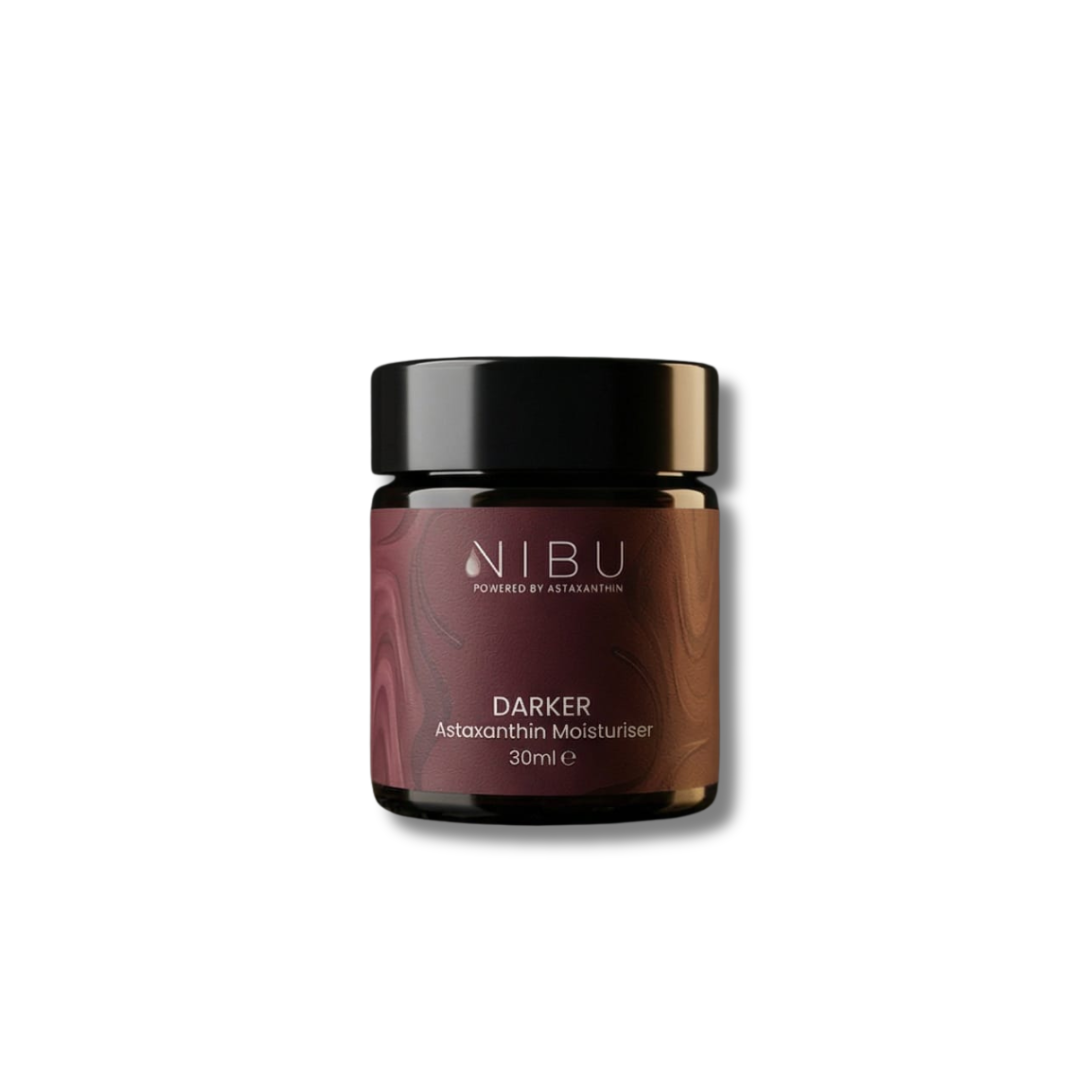
Morning: Cleanse → Astaxanthin Glow Day Serum → Glow Moisturiser if desired → appropriate sun protection.
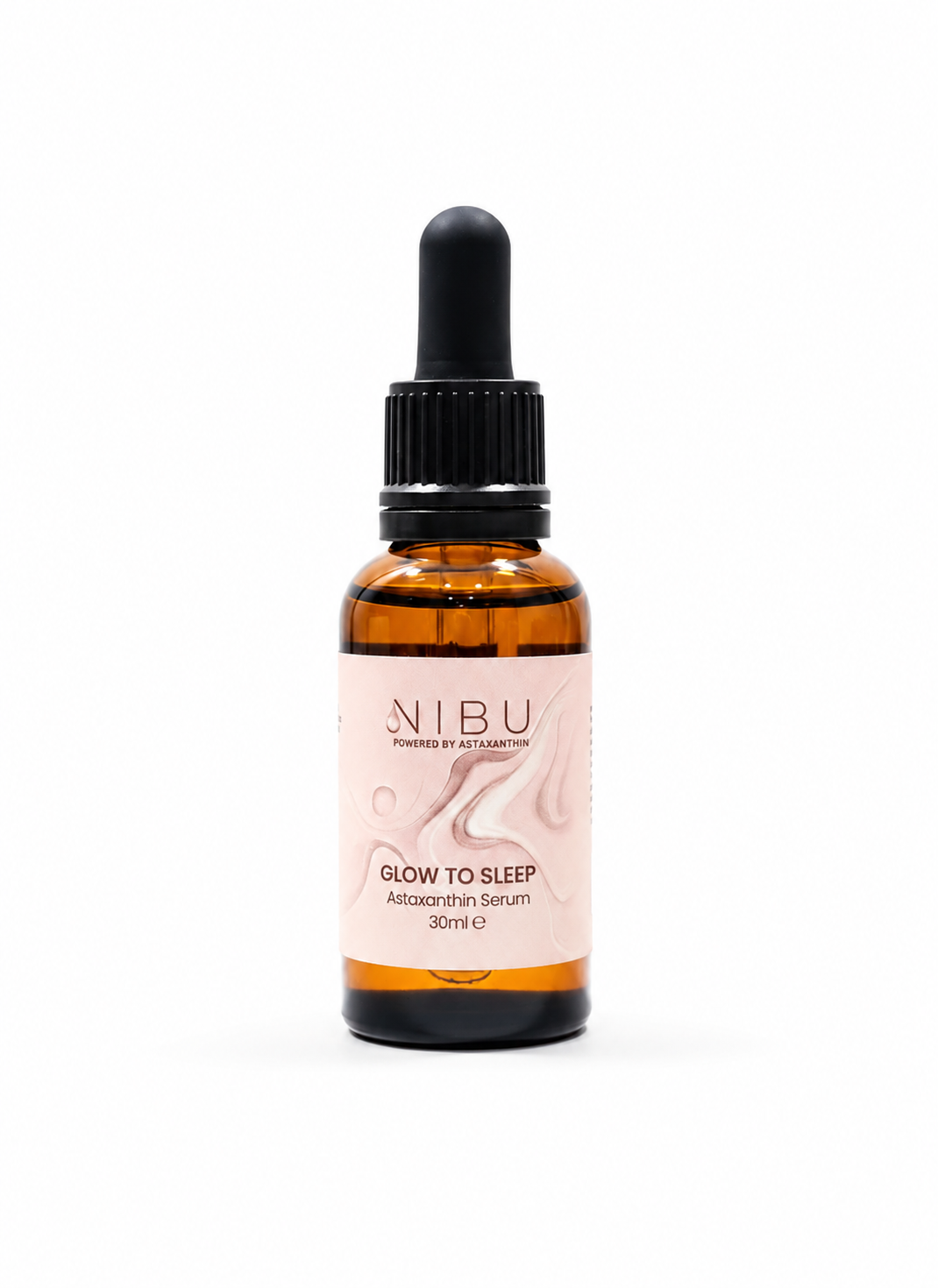
Evening: Cleanse → Glow to Sleep facial oil.
This gives Astaxanthin a natural place within a simple daily ritual without turning skincare into a ten-step project. Consistency matters more to us than complexity. We would rather someone find a few products they genuinely enjoy using than own twelve products they don’t understand. Skincare should fit into your life. Not take it over.
What Actually Matters Most?
- Avoid smoking — one of the most meaningful lifestyle decisions for long-term skin and whole-body health
- Manage UV exposure sensibly — photoageing is a significant contributor to visible skin ageing; regular photoprotection has evidence behind it
- Treat your skin barrier kindly — avoid constantly stripping and irritating your skin
- Moisturise — simple, effective and underrated
- Sleep — your skin is part of your whole body
- Eat well — protein, healthy fats, vegetables and varied nutrition matter
- Exercise — movement supports whole-body health, circulation and metabolic wellbeing
- Use targeted skincare for a reason — choose actives based on evidence and need, not fear
- Be consistent — skin doesn’t need a completely new routine every fortnight
- Stop expecting skin to remain 25 forever — this may be the most important one. Healthy skin can have lines.
Skin Ageing: What Matters Most?
| Factor | How much attention does it deserve? |
|---|---|
| UV exposure | Very important |
| Smoking | Very important |
| Skin barrier | Important |
| Appropriate skincare | Important |
| Sleep | Part of whole-body health |
| Nutrition | Important foundation |
| Exercise | Supports wider health |
| Antioxidants | Useful addition, not the whole answer |
| Expensive skincare | Not automatically better |
| 10-step routines | Not necessary |
| Fear of ageing | Not useful |
Myth vs Fact
Myth: Your skin starts rapidly ageing at 25.
Fact: Skin ageing is gradual and influenced by many intrinsic and environmental factors. There is no universal biological cliff at 25.
Myth: You lose exactly 1% of collagen every year after 25.
Fact: Collagen changes with age, but the frequently quoted figure oversimplifies complex biology and varies between individuals.
Myth: You need retinol the moment you turn 25.
Fact: Retinoids have good evidence for photoaged skin and other dermatological conditions, but there is no birthday at which every woman must start one.
Myth: The more skincare actives you use, the better.
Fact: Excessive use of irritating products can disrupt the skin barrier.
Myth: Collagen powder prevents ageing.
Fact: Evidence is mixed, and a recent analysis found that apparent benefits were not present in high-quality or independently funded subsets of studies.
Myth: Antioxidants replace sun protection.
Fact: No. Antioxidants can complement a skincare strategy but are not substitutes for appropriate protection from UV exposure.
Myth: Healthy skin should have no lines.
Fact: Lines are a normal part of facial movement and ageing.
Frequently Asked Questions
| Question | Answer |
|---|---|
| When does skin ageing start? | Skin changes gradually throughout adulthood. There is no single age when ageing suddenly begins. |
| Does collagen start declining at 25? | Collagen biology changes with age, but there is no universal switch at 25 or precise annual decline that applies to every person. |
| What skincare should I use in my 20s? | Keep it simple: gentle cleansing, moisturising, appropriate sun protection and targeted products for genuine concerns such as acne or pigmentation. |
| What skincare should I add in my 30s? | You may choose to introduce targeted antioxidants, retinoids or other evidence-based actives depending on your skin and goals, but you do not automatically need a more complicated routine. |
| Do I need retinol in my 20s? | Not purely because of your age. Retinoids have evidence for acne and photoageing but can also cause irritation and are not appropriate in every circumstance. |
| Is Astaxanthin good for younger skin? | Astaxanthin is an antioxidant ingredient being studied for skin health. It can form part of a skincare routine at different ages, but nobody needs it simply because they have turned 25 or 30. |
| Does Astaxanthin prevent skin ageing? | No ingredient can prevent biological ageing. Human evidence suggests Astaxanthin may support certain skin parameters, but it should be considered part of a wider healthy-skin approach. |
| Do I need collagen supplements in my 20s or 30s? | Not automatically. Evidence around collagen supplementation remains debated, and healthy nutrition should come first. |
| Does poor sleep age your skin? | Chronic poor sleep has been associated with impaired skin-barrier recovery and greater signs of intrinsic ageing, although one late night is not going to dramatically age your face. |
| What is the most important thing for preventing premature skin ageing? | Avoiding smoking and managing cumulative UV exposure are among the most important modifiable factors. |
Key Takeaways
- Skin ageing is gradual. There is no magical ageing switch at 25.
- Intrinsic ageing is normal. Extrinsic factors such as UV exposure and smoking can accelerate visible changes.
- Collagen is important, but it is only one component of skin health.
- A simple routine can be enough. You do not need aggressive skincare in your 20s.
- Retinoids have good evidence for photoageing, but they are not compulsory for every young woman.
- Nutrition and sleep are part of whole-body skin health.
- Collagen supplements are not essential, and recent evidence raises questions about the quality and funding of some positive studies.
- Antioxidants such as Astaxanthin can complement a healthy skincare routine. But no antioxidant replaces the fundamentals.
- Healthy skin does not mean skin that never looks older.
The Nibu Longevity Take
If you’re 26, we don’t want you looking in the mirror searching for signs that ageing has begun. Enjoy being 26. If you’re 34, you don’t need to compare your face with photographs from university and wonder what went wrong. Nothing went wrong. You lived. You smiled. You spent summers outside. Perhaps you had children. Perhaps you had sleepless nights. Perhaps life became busier. Skin carries some of that history.
Healthy ageing is not about preventing your face from ever reflecting your life. It is about caring for it while life happens. Nibu began with Astaxanthin skincare because we became fascinated by the science of oxidative stress and this remarkable red carotenoid. That fascination remains. But the longer we’ve spent thinking about healthy ageing, the clearer something has become: no ingredient is more important than the relationship you build with your own ageing. Care for your skin. Nourish your body. Protect what you can. Enjoy your life. And let getting older be something you are fortunate enough to experience.
Conclusion
Your 20s and 30s are a wonderful time to establish good skincare habits. Not because your skin is about to collapse. And not because you have a deadline to prevent wrinkles. Because habits become easier when they are simply part of everyday life.
Cleanse gently. Moisturise. Protect your skin appropriately from excessive UV exposure. Don’t smoke. Sleep. Eat well. Move your body. Use evidence-based ingredients where they suit you. Astaxanthin can be one of them. But your skincare routine should support your life rather than make you frightened of time passing.
The goal is not: “How do I stay looking 25?” A much healthier question is: “How do I look after my skin well at every age?” That’s the question Nibu intends to keep answering.
References
- Shin JW, Kwon SH, Choi JY, et al. Molecular Mechanisms of Dermal Aging and Antiaging Approaches. International Journal of Molecular Sciences. 2019.
- Zhang S, Duan E. Fighting Against Skin Aging: The Way From Bench to Bedside. Cell Transplantation. 2018;27(5):729–738.
- Hughes MCB, Williams GM, Baker P, Green AC. Sunscreen and Prevention of Skin Aging: A Randomized Trial. Annals of Internal Medicine. 2013;158(11):781–790.
- Passeron T, Bouillon R, Callender V, et al. Daily Photoprotection to Prevent Photoaging. Photodermatology, Photoimmunology & Photomedicine. 2021.
- Guan LL, Lim HW, Mohammad TF. Sunscreens and Photoaging: A Review of Current Literature. American Journal of Clinical Dermatology. 2021;22(6):819–828.
- Sitohang IBS, Makes WI, Sandora N, Suryanegara J. Topical Tretinoin for Treating Photoaging: A Systematic Review of Randomized Controlled Trials. International Journal of Women’s Dermatology. 2022;8(1):e003.
- Siddiqui Z, Zufall A, Nash M, et al. Comparing Tretinoin to Other Topical Therapies in the Treatment of Skin Photoaging: A Systematic Review. American Journal of Clinical Dermatology. 2024;25(6):873–890.
- Oyetakin-White P, Suggs A, Koo B, et al. Does Poor Sleep Quality Affect Skin Ageing? Clinical and Experimental Dermatology. 2015;40(1):17–22.
- Myung SK, Park Y. Effects of Collagen Supplements on Skin Aging: A Systematic Review and Meta-Analysis of Randomized Controlled Trials. American Journal of Medicine. 2025;138(9):1264–1277.
- Dietary Interventions in Skin Ageing: A Systematic Review and Meta-Analysis. 2025.
Continue Reading
- Astaxanthin Benefits for Skin: What Does the Science Actually Say?
- Oral vs Topical Astaxanthin: What’s the Difference and Can You Use Both?
- Astaxanthin vs Other Antioxidants: Vitamin C, Vitamin E, CoQ10 and More
- Oxidative Stress Explained: Why It Matters for Healthy Ageing
- Healthy Ageing in Your 20s and 30s: 10 Habits Your Future Self Will Thank You For
About The Nibu Journal
The Nibu Journal is the educational home of Nibu Naturals. Nibu began with Astaxanthin skincare, and skin health remains an important part of our healthy-ageing philosophy. Today we explore healthy ageing from the inside and the outside through evidence-led education across skin, nutrition, supplements, women’s health and lifestyle. We believe ageing should be understood, supported and celebrated rather than treated as something women need to fear. Educate first. Support second. Sell naturally.
Medical Disclaimer: This article is provided for general educational purposes only and is not intended to diagnose, treat, cure or prevent any medical condition. Skin conditions including persistent acne, dermatitis, rosacea, pigmentation changes, suspicious lesions or significant irritation should be assessed by an appropriately qualified healthcare professional where necessary. Prescription retinoids and other medical treatments should be used according to professional guidance. Retinoids have important pregnancy-related precautions, so seek appropriate advice if you are pregnant, planning pregnancy or breastfeeding. Cosmetic products support the appearance and condition of healthy skin and do not replace medical treatment.

Read more
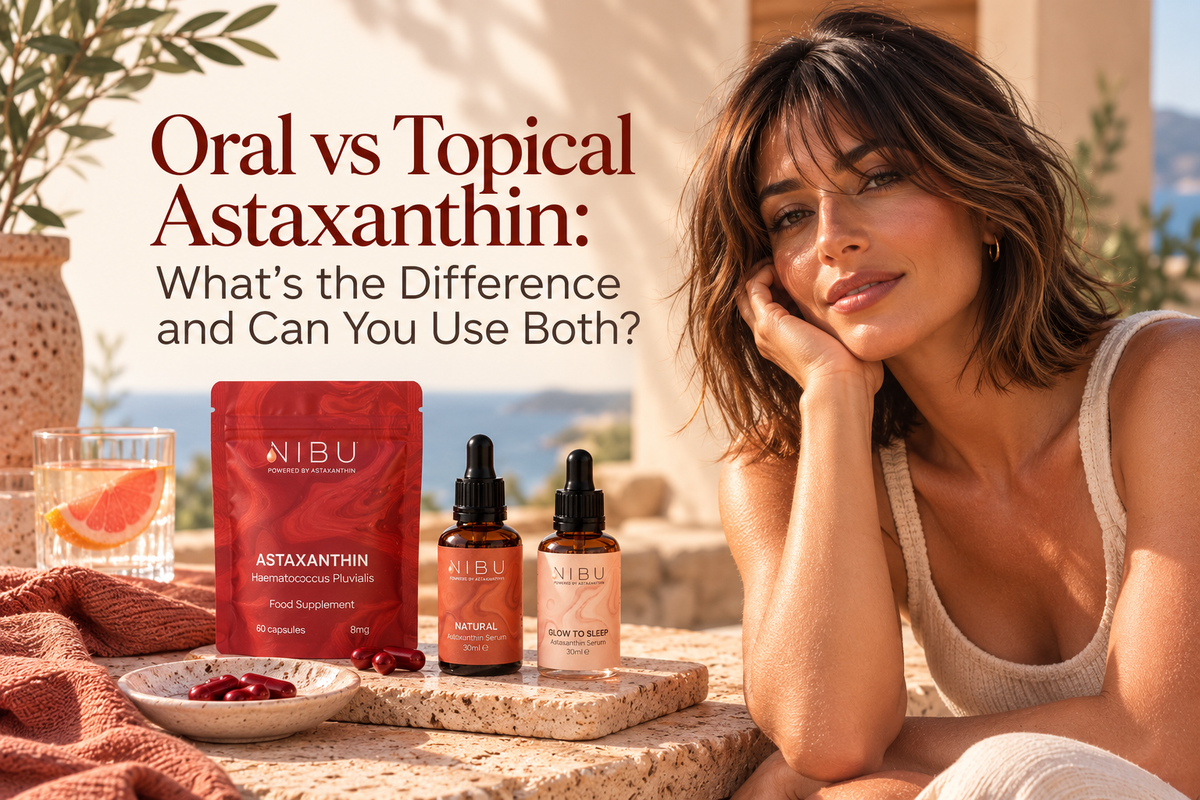
Oral vs Topical Astaxanthin: What's the Difference and Can You Use Both?
Astaxanthin can be taken as a supplement or incorporated into skincare, but the two approaches are not identical. We explore how oral and topical Astaxanthin differ, what human studies really show ...
WeiterlesenShop
Bestseller