Does Astaxanthin Protect Your Skin From the Sun? What the Science Actually Says
Quick Answer
Astaxanthin may help support the skin's response to UV-related oxidative stress, but it is not a sunscreen.
Astaxanthin is a naturally occurring carotenoid antioxidant, best known for its distinctive red-orange colour and its presence in microalgae such as Haematococcus pluvialis.
Human studies have investigated whether oral Astaxanthin supplementation can influence skin responses to ultraviolet radiation, including the amount of UV exposure required to produce visible redness and changes in skin moisture.
Some results are encouraging. Small controlled studies suggest Astaxanthin may influence certain measures of UV-related skin stress, while broader research has reported potential benefits for skin moisture and elasticity.
This is what makes Astaxanthin particularly interesting for healthy skin ageing. Researchers are beginning to explore not just its antioxidant activity in the laboratory, but how supplementation may influence measurable aspects of skin health in people.
However, these findings do not establish Astaxanthin as a reliable method of preventing sunburn, skin cancer or UV damage.
The most useful way to understand Astaxanthin is as a promising antioxidant ingredient that can complement a thoughtful skincare routine, not replace appropriate sun protection.
What You'll Learn
In this guide, we'll explore what UV radiation does to the skin, why oxidative stress matters, what makes Astaxanthin distinctive, what human studies have discovered, the difference between oral and topical Astaxanthin, and how it can fit into a healthy skin routine alongside sensible sun protection.
Why Scientists Are Interested in Astaxanthin and Sun Exposure
When sunlight reaches your skin, several biological processes begin. Some are beneficial, while others can contribute to damage when exposure becomes excessive.
Ultraviolet radiation is one of the most extensively studied environmental contributors to visible skin ageing. It can influence pigmentation, collagen organisation, elasticity and the processes involved in cellular damage and repair. This is known as photoageing.
One important mechanism involves oxidative stress. And that is where Astaxanthin becomes particularly interesting.
Unlike many skincare ingredients that are primarily valued for moisturising or exfoliating properties, Astaxanthin has attracted research interest because of its antioxidant chemistry and potential influence on cellular responses to oxidative stress.
For Nibu, this relationship between antioxidants and healthy skin ageing is especially meaningful. Astaxanthin inspired our original skincare range, long before we expanded into supplements and broader healthy-ageing education.
Understanding what makes it distinctive is central to understanding why Nibu began.
What Does UV Radiation Actually Do to Your Skin?
Sunlight contains different wavelengths of radiation. The two main forms of ultraviolet radiation relevant to skin health are UVA and UVB.
UVA
Longer wavelengths. UVA penetrates more deeply into the skin than UVB and contributes to oxidative stress, pigmentation changes and photoageing. It can also contribute to skin cancer risk.
UVB
Shorter wavelengths. UVB is a major cause of sunburn and direct DNA damage. It also contributes to photoageing and skin cancer risk.
Both can influence the health and appearance of skin. When UV radiation interacts with skin cells, it can damage biological structures directly and stimulate the production of reactive oxygen species.
These processes can contribute to changes in collagen and other components of the skin's structural framework. This helps explain why repeated excessive sun exposure can influence the appearance of skin over time.
What Is Oxidative Stress?
Your body naturally produces reactive oxygen species during everyday metabolism. These molecules are not inherently bad. They also participate in normal cellular signalling.
Problems can arise when reactive oxygen species are produced in excess or when protective and repair systems cannot adequately manage them. This imbalance is commonly described as oxidative stress.
In skin, oxidative stress can contribute to changes involving cellular membranes, proteins, DNA and the extracellular matrix.
UV radiation is one of several environmental factors capable of increasing oxidative stress. Others include air pollution and tobacco smoke.
Your body already has sophisticated antioxidant defence systems. Dietary and topical antioxidants are being investigated for their potential to complement these systems. Astaxanthin is one of the compounds attracting particular interest.
What Makes Astaxanthin Different?
Astaxanthin belongs to a group of carotenoids known as xanthophylls. Its molecular structure contains both water-interacting and fat-interacting regions.
This helps explain its behaviour in lipid environments, including its interactions with cell membranes observed in experimental research.
Laboratory studies have investigated Astaxanthin's ability to influence oxidative processes and cellular responses to stress. Its distinctive chemistry is part of what makes it scientifically interesting.
But there is an important distinction. A compound demonstrating antioxidant activity in a laboratory does not automatically produce the same magnitude of benefit in human skin.
That is why human clinical studies matter so much. And fortunately, researchers have begun investigating Astaxanthin in precisely this context.
What Does Human Research Actually Show?
This is the most exciting part of the discussion. Although laboratory research provides useful explanations for how Astaxanthin might influence oxidative processes, controlled human trials help us understand whether those effects translate into measurable changes in skin.
Two studies are particularly relevant.
The 2018 trial: Astaxanthin and UV-induced skin redness
A randomised, double-blind, placebo-controlled trial published in Nutrients investigated Astaxanthin supplementation in 23 healthy Japanese adults.
Participants received either 4 mg of Astaxanthin daily or a placebo over approximately ten weeks. Researchers examined several skin outcomes, including the minimal erythema dose (MED).
This is the minimum amount of controlled UV exposure needed to produce visible skin redness under standardised testing conditions.
After supplementation, the Astaxanthin group demonstrated a greater increase in MED than the placebo group. Researchers also reported less UV-associated reduction in skin moisture in the Astaxanthin group.
These findings are encouraging because they suggest oral Astaxanthin may influence measurable aspects of the skin's response to controlled UV exposure.
However, the trial was small and did not establish that taking Astaxanthin prevents sunburn during everyday outdoor activities.
A more recent study: 6 mg of Astaxanthin over eight weeks
A further randomised, double-blind, placebo-controlled study, published in 2025, investigated Astaxanthin derived from Haematococcus pluvialis.
The study involved 44 healthy Japanese participants, with 22 assigned to each group. Researchers examined the effects of consuming 6 mg daily over eight weeks.
Once again, the researchers reported an increase in minimal erythema dose in the Astaxanthin group. They also investigated other outcomes involving skin, hair, and nails.
This is particularly interesting because it provides another controlled human study examining a similar UV-response measurement.
The two trials do not establish Astaxanthin as a sunscreen, but they offer a promising direction for research into skin resilience and UV-related stress.
What should we conclude?
| The evidence, in perspective | What it shows |
|---|---|
| Encouraging | Small controlled human trials report improvements in minimal erythema dose after oral Astaxanthin supplementation. |
| Supported by broader research | Some human studies suggest benefits for skin moisture and elasticity. |
| Not established | That Astaxanthin provides a reliable SPF, prevents sunburn in real-world conditions, or reduces skin cancer risk. |
This is an important distinction. We can be genuinely interested in the positive results without asking them to prove something they were never designed to test.
What Does the Wider Skin Research Tell Us?
Astaxanthin's potential benefits for skin are not limited to UV-response studies. A 2021 systematic review and meta-analysis published in Nutrients examined 11 human studies investigating oral and topical Astaxanthin.
The pooled randomised-trial results found statistically significant improvements in:
- skin moisture
- skin elasticity
The analysis did not find a statistically significant reduction in wrinkle depth compared with placebo.
The authors also identified limitations including small study sizes, differences between trials and potential conflicts of interest.
For women interested in healthy skin ageing, these findings are meaningful. Skin moisture and elasticity contribute to the way skin feels and appears. They are not the only measures of skin health, but they are relevant outcomes that researchers can investigate.
This is one reason Astaxanthin continues to attract attention as an ingredient in both nutrition and skincare.
Does Astaxanthin Prevent Sunburn?
This is where the language needs to be precise. Astaxanthin has shown encouraging effects on controlled UV-response measurements, but it has not been demonstrated to provide dependable sunburn protection.
The minimal erythema dose measured in a research setting is not the same thing as a sunscreen's labelled SPF. A sunscreen is formulated and tested to provide a defined level of protection when applied appropriately. Astaxanthin supplements are not evaluated in the same way.
No clinically established Astaxanthin dose can be translated into an SPF number. That means it would be misleading to describe Astaxanthin as an internal sunscreen. Its potential role is different.
Is Astaxanthin an Internal Sunscreen?
No. The phrase sounds appealing, but it confuses two different concepts.
Sunscreen reduces the amount of relevant UV radiation reaching or affecting the skin through tested UV-filtering mechanisms.
Astaxanthin is investigated primarily for its antioxidant properties and possible effects on biological responses to UV-associated stress. These are not interchangeable.
A woman taking Astaxanthin should continue to follow appropriate sun-protection advice. That includes avoiding sunburn, seeking shade, wearing suitable clothing and using sunscreen when needed.
The NHS recommends sunscreen with at least SPF 30 and adequate UVA protection, alongside shade and protective clothing.
Astaxanthin can be part of a broader skin-health conversation without being mistaken for a substitute for these measures.
Oral vs Topical Astaxanthin: Does the Route Matter?
Yes, because the two approaches deliver Astaxanthin differently.
Oral Astaxanthin
When taken as a supplement, Astaxanthin passes through the digestive system and is absorbed into the circulation. As a fat-soluble carotenoid, its absorption can be influenced by food, dietary fat and formulation.
Human trials investigating UV responses have primarily examined oral supplementation.
Topical Astaxanthin
When Astaxanthin is included in a skincare formulation, it is applied directly to the skin. Its behaviour depends on the formulation, concentration, stability and delivery system.
Topical Astaxanthin has attracted scientific interest because of its antioxidant properties and potential cosmetic applications.
However, the controlled human evidence specifically examining topical Astaxanthin and UV-related outcomes is less developed than the evidence for oral supplementation.
How they compare
| Aspect | Oral Astaxanthin | Topical Astaxanthin |
|---|---|---|
| How it is used | Taken as a supplement | Applied in skincare |
| Delivery route | Digestive absorption and circulation | Direct application to the skin |
| UV-response studies | Small controlled human trials available | Less direct controlled human evidence |
| Skin moisture and elasticity | Encouraging clinical findings | Preliminary clinical and formulation research |
| Replaces SPF? | No | No |
| Place in a routine | Nutritional supplementation | Daily skincare |
We explore these differences in greater depth in our Journal article Oral vs Topical Astaxanthin: What's the Difference and Can You Use Both?
Why Astaxanthin Is at the Heart of Nibu Skincare
Nibu's relationship with Astaxanthin began with skin. Before we introduced our supplement range, we were fascinated by the potential of this distinctive red carotenoid and the growing research surrounding oxidative stress and healthy skin ageing.
That fascination led to the development of our Astaxanthin skincare. We wanted skincare that felt nourishing, enjoyable and considered, built around an ingredient with a compelling scientific story.
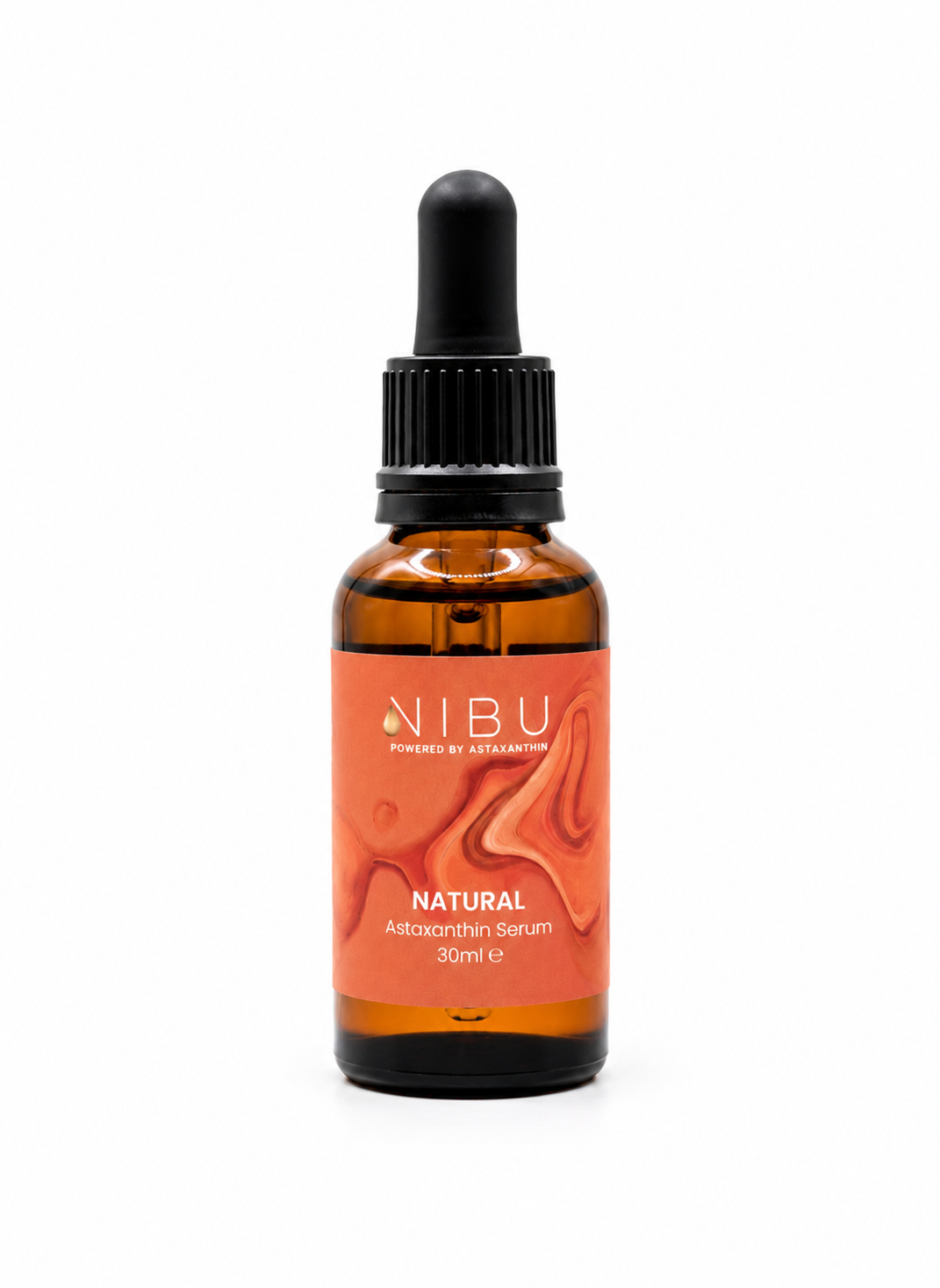
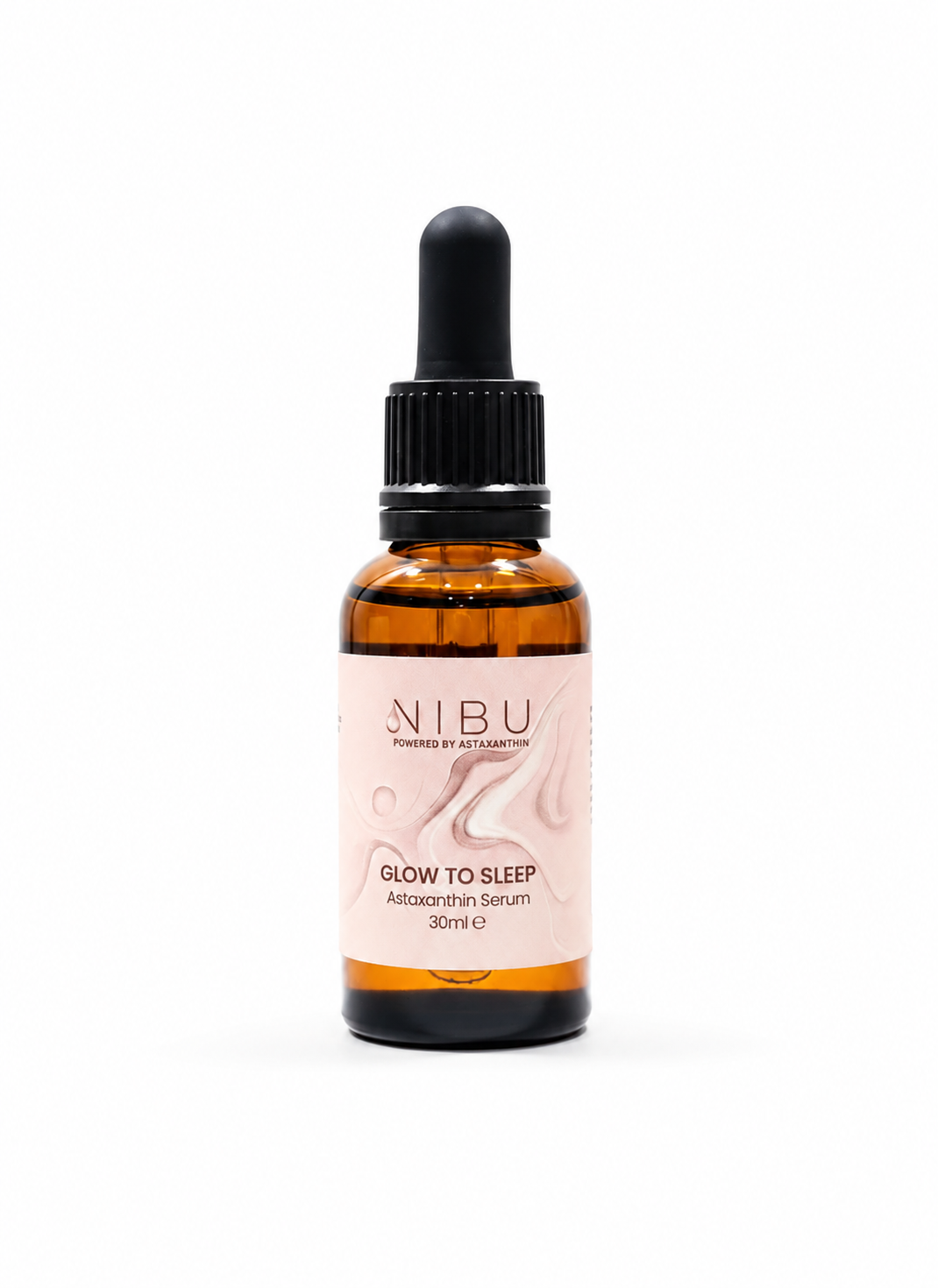
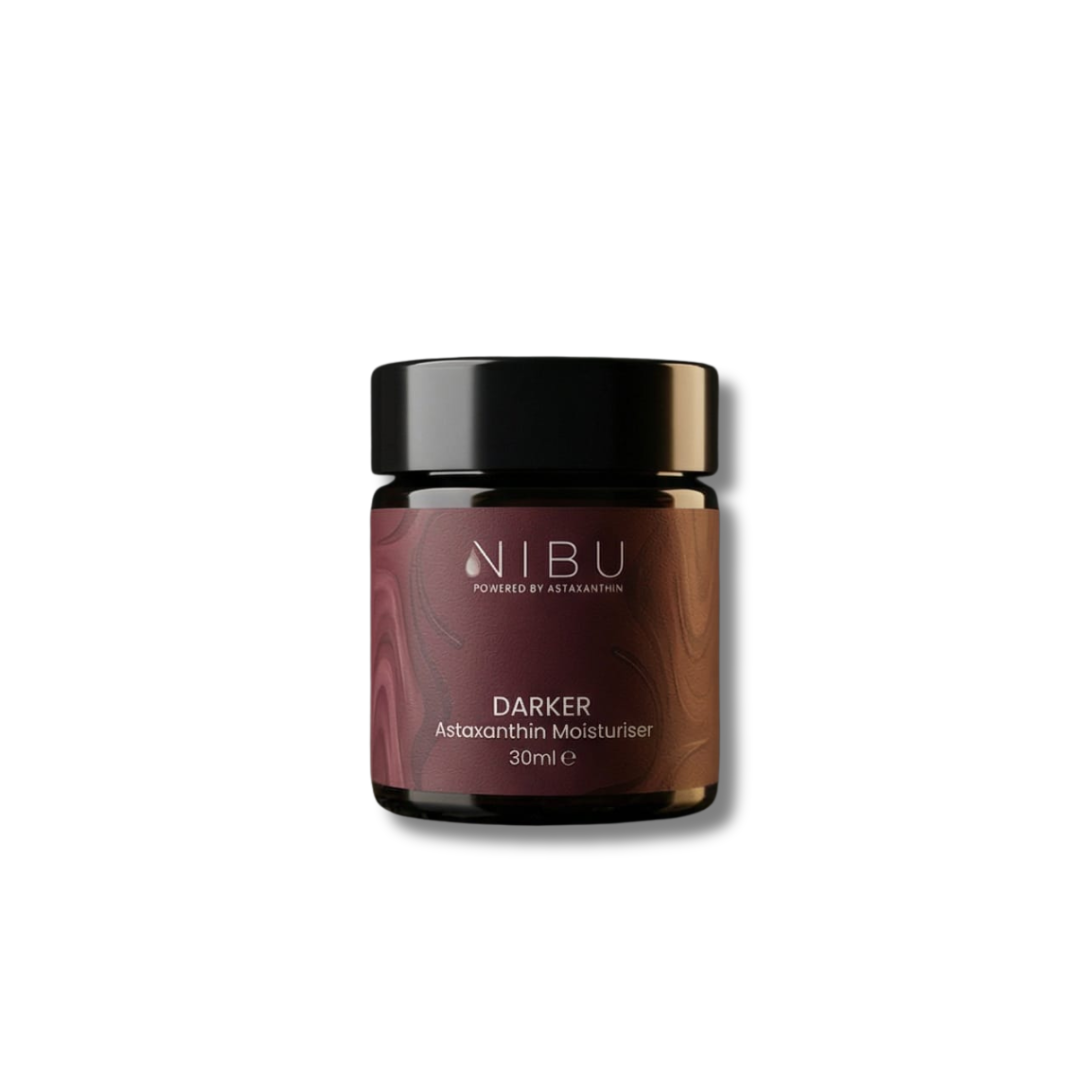
That philosophy continues through our Glow skincare collection today, where Astaxanthin remains a defining ingredient. Our serums and moisturisers are designed to make antioxidant-focused skincare feel like a simple, enjoyable part of everyday life.
Astaxanthin's chemistry, natural origins and emerging human research made it a particularly interesting choice. As Nibu evolved, it became natural to explore Astaxanthin from another direction: nutritional supplementation.
Today, Astaxanthin connects two important parts of our philosophy. Healthy Ageing, Inside & Out.
Our skincare heritage reflects our interest in topical skin care, while our Astaxanthin supplement offers another way to explore this remarkable carotenoid within a balanced lifestyle.
The science behind oral and topical Astaxanthin is not identical, and we don't need to pretend it is. What unites them is our commitment to understanding the ingredient properly and making informed choices about how it fits into everyday life.
How Can Astaxanthin Fit Into a Daily Skincare Routine?
A thoughtful routine doesn't need to be complicated. For someone interested in antioxidant-focused skincare, a simple approach might look like this:
Morning
Begin with gentle cleansing, followed by an Astaxanthin serum and moisturiser suited to your skin. Finish with a broad-spectrum sunscreen of at least SPF 30 when preparing for daytime exposure, alongside shade and protective clothing where appropriate.
Evening
Cleanse away makeup and daily residue, then use skincare suited to your skin's needs. This might include a nourishing facial oil or moisturiser.
From within
A varied diet containing colourful plant foods, adequate protein and healthy fats provides a foundation for skin and whole-body health.
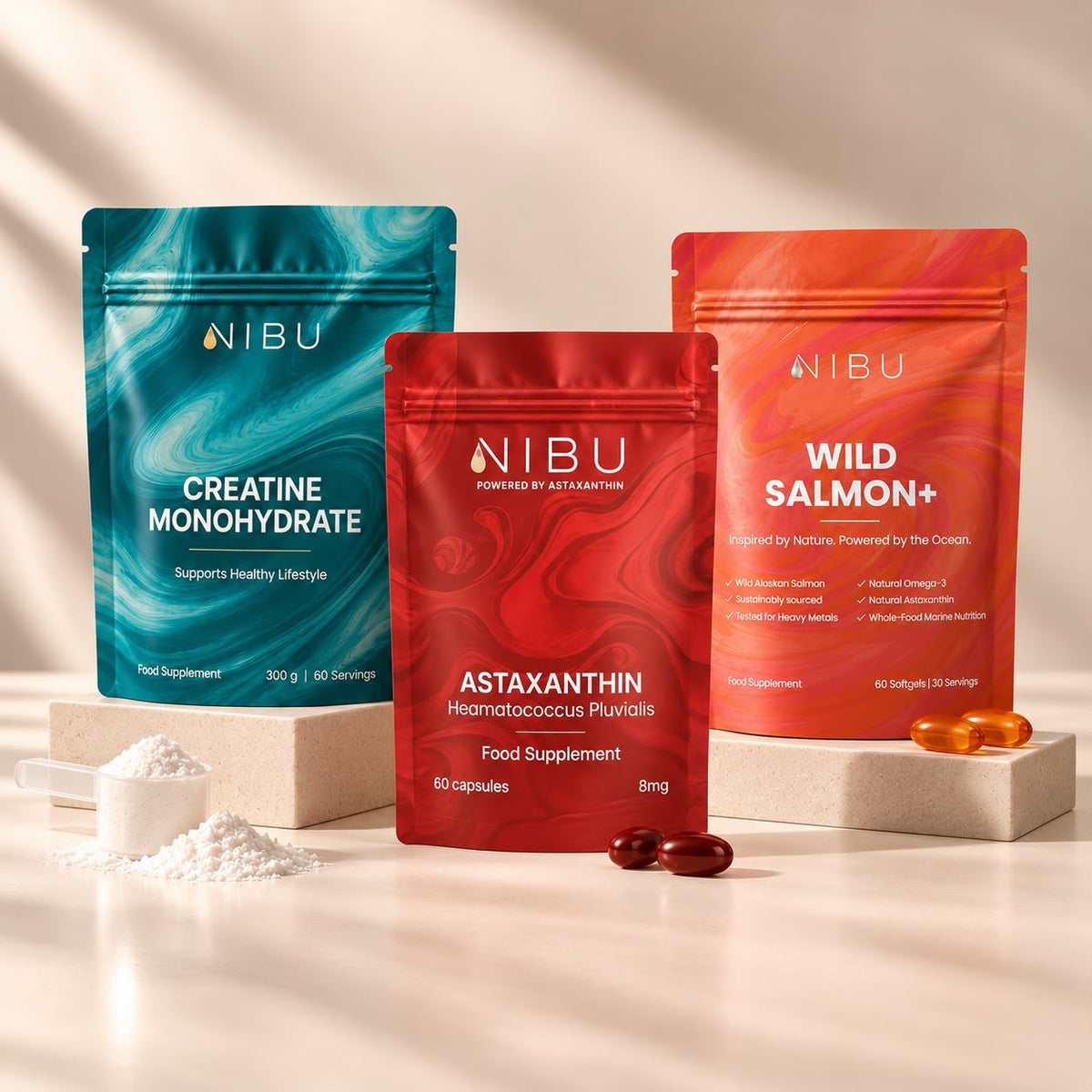
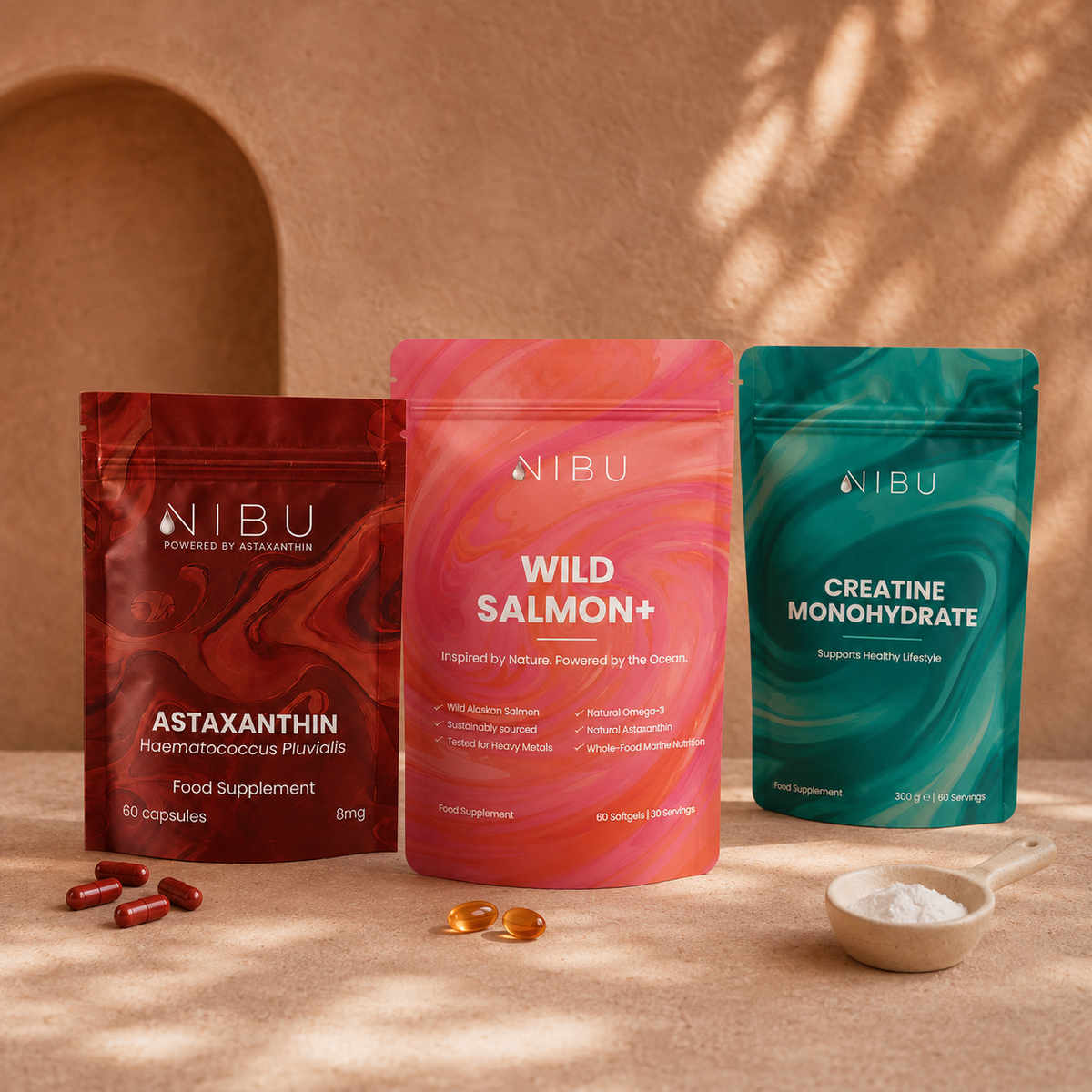
For women choosing to supplement, Nibu Astaxanthin provides 8 mg of Astaxanthin from Haematococcus pluvialis per recommended daily serving.
This is an example of how Astaxanthin can sit within a wider routine, not a claim that a particular Nibu product has been clinically demonstrated to provide UV protection.
The bigger picture matters: skincare, nutrition, sleep, movement and sensible sun habits all have their place.
Astaxanthin, Photoageing and Healthy Skin: What Matters Most?
There is a useful difference between protecting skin from excessive UV exposure and supporting its overall condition. Both are relevant to healthy skin ageing.
A sensible routine considers several complementary areas.
| Area | Why it matters |
|---|---|
| Appropriate sun protection | Reduces excessive UV exposure and the risk of sunburn and UV-related damage |
| Antioxidant-focused skincare | Offers ingredients of scientific interest for managing oxidative processes in skin |
| Good moisturising habits | Help maintain skin comfort and barrier function |
| Balanced nutrition | Provides nutrients needed for normal tissue maintenance |
| Adequate sleep | Supports whole-body health and normal recovery processes |
| Avoiding smoking | Reduces exposure to a well-established contributor to premature skin ageing |
| Consistency | Makes supportive habits easier to maintain over time |
Rather than expecting one product to do everything, think about how different habits complement one another. This is the foundation of Nibu's approach to healthy ageing.
Myth vs Fact
| Myth | Fact |
|---|---|
| Astaxanthin works like sunscreen. | Astaxanthin has shown promising effects on certain UV-response measurements in small human trials, but it is not a tested sunscreen or a replacement for SPF. |
| Astaxanthin's antioxidant properties are only supported by laboratory studies. | Laboratory research explains some of its biological potential, and controlled human studies have reported encouraging findings involving UV-response measurements, skin moisture and elasticity. |
| Taking more Astaxanthin means greater sun protection. | There is no established dose-response relationship that allows Astaxanthin to be used as a sun-protection product. |
| Topical and oral Astaxanthin work in exactly the same way. | They use different delivery routes, and the human evidence supporting each approach differs. |
| You only need to think about photoageing when wrinkles appear. | UV exposure affects skin throughout life. Sensible sun habits are relevant at every age. |
Frequently Asked Questions
| Question | Answer |
|---|---|
| Does Astaxanthin protect skin from UV damage? | Small human trials suggest oral Astaxanthin may influence certain skin responses to controlled UV exposure, including minimal erythema dose. This is encouraging but does not establish reliable protection against sunburn or UV damage in everyday conditions. |
| Can Astaxanthin replace sunscreen? | No. Astaxanthin supplements and skincare products are not substitutes for tested sunscreen or other appropriate sun-protection measures. |
| Is Astaxanthin a natural SPF? | No. Astaxanthin does not have an established SPF value when taken orally, and ordinary Astaxanthin skincare should not be assumed to provide SPF protection. |
| What does minimal erythema dose mean? | Minimal erythema dose, or MED, is the minimum controlled UV exposure required to produce visible skin redness under defined testing conditions. It is used in dermatological research to investigate skin responses to ultraviolet radiation. |
| How much Astaxanthin was used in the UV studies? | One controlled human study investigated 4 mg daily, while another investigated 6 mg daily. Both reported changes in minimal erythema dose, but neither established a dose that can replace sunscreen. |
| Does Astaxanthin help prevent wrinkles caused by the sun? | Astaxanthin has been investigated for skin ageing, including moisture, elasticity and wrinkles. A 2021 meta-analysis reported improvements in moisture and elasticity, but did not find a statistically significant reduction in wrinkle depth compared with placebo. |
| Is oral or topical Astaxanthin better for sun-related skin stress? | The direct controlled human evidence for UV-response outcomes is currently stronger for oral Astaxanthin. Topical Astaxanthin remains an interesting area of skincare research, but direct comparisons are limited. |
| Can I use Astaxanthin serum and take Astaxanthin supplements? | They are different approaches and may both fit into a skincare and healthy-ageing routine. However, using both has not been conclusively shown to produce superior UV protection compared with either approach alone. |
| Does Astaxanthin prevent skin cancer? | There is no established clinical evidence that Astaxanthin supplementation or ordinary Astaxanthin skincare prevents skin cancer. Proven sun-safety measures remain essential. |
| Is Astaxanthin useful for skin health beyond sun exposure? | Yes, this is an important area of research. A systematic review and meta-analysis of human trials reported encouraging findings for skin moisture and elasticity, although the strength of evidence varies by outcome. |
Key Takeaways
- Astaxanthin is a distinctive carotenoid antioxidant naturally produced by organisms including Haematococcus pluvialis.
- UV exposure can contribute to oxidative stress and photoageing.
- Small controlled human trials have reported encouraging effects of oral Astaxanthin on minimal erythema dose.
- Broader clinical research suggests potential benefits for skin moisture and elasticity.
- These findings support continued interest in Astaxanthin as a skin-health ingredient.
- Astaxanthin is not sunscreen and does not have an established SPF when taken orally.
- Evidence for oral and topical Astaxanthin should be considered separately.
- Appropriate sun protection remains essential.
- Astaxanthin continues to be central to Nibu's skincare heritage and Healthy Ageing, Inside & Out philosophy.
The Nibu Longevity Take
There is something wonderful about understanding an ingredient more deeply. Astaxanthin first captured our attention because of its unusual chemistry, its natural origins and the fascinating relationship between antioxidants and skin health.
Years later, it remains the ingredient at the heart of Nibu. What we particularly love about the research into Astaxanthin and UV-related skin stress is that it helps us appreciate just how complex our skin really is.
Skin isn't simply a surface that we moisturise. It is a living, responsive organ. Every day, it interacts with our environment, responds to changes and carries out countless processes that help maintain its function.
The emerging human research into Astaxanthin gives us another reason to remain interested in this remarkable carotenoid. Not because it makes sun protection unnecessary. Not because it promises to stop ageing. But because it represents a thoughtful area of research into how we might support healthy skin.
At Nibu, we believe looking after your skin should be a pleasure, not a battle against time. Enjoy being outdoors. Enjoy the sunshine responsibly. Look after your skin. Nourish your body. And appreciate the extraordinary work your skin does for you every day.
Healthy ageing isn't about avoiding life. It's about caring for yourself while you enjoy it.
Conclusion
So, does Astaxanthin protect your skin from the sun? The most accurate answer is that Astaxanthin has shown promising effects on certain measures of the skin's response to UV exposure, but it is not a replacement for sunscreen.
Small controlled human studies have reported improvements in minimal erythema dose following oral supplementation. Broader research has also found encouraging results involving skin moisture and elasticity.
Together, these findings help explain why Astaxanthin continues to attract scientific interest in healthy skin ageing. For Nibu, they also reinforce why this ingredient remains so important to our story.
Astaxanthin was where our skincare journey began. Today, it continues to connect our interest in skin health, antioxidant science and healthy ageing from the inside and the outside.
The best approach is not to expect one ingredient to do everything. It is to combine sensible sun protection, supportive skincare, good nutrition and consistent healthy habits.
And to appreciate that understanding an ingredient properly can make it even more interesting.
References
- Ito N, Seki S, Ueda F. The Protective Role of Astaxanthin for UV-Induced Skin Deterioration in Healthy People: A Randomized, Double-Blind, Placebo-Controlled Trial. Nutrients. 2018;10(7):817. doi:10.3390/nu10070817. Read the study.
- Anti-ultraviolet effects of astaxanthin derived from Haematococcus pluvialis microalgae on the skin, hair, and nails of Japanese people: A randomized, placebo-controlled, double-blind, parallel-group comparative study. Journal of Functional Foods. 2025.
- Zhou X, Cao Q, Orfila C, Zhao J, Zhang L. Systematic Review and Meta-Analysis on the Effects of Astaxanthin on Human Skin Ageing. Nutrients. 2021;13(9):2917. doi:10.3390/nu13092917. Read the review.
- Ng QX, De Deyn MLZQ, Loke W, Foo NX, Chan HW, Yeo WS. Effects of Astaxanthin Supplementation on Skin Health: A Systematic Review of Clinical Studies. Journal of Dietary Supplements. 2021;18(2):169–182. doi:10.1080/19390211.2020.1739187. Read the review.
- Hughes MCB, Williams GM, Baker P, Green AC. Sunscreen and Prevention of Skin Aging: A Randomized Trial. Annals of Internal Medicine. 2013;158(11):781–790. doi:10.7326/0003-4819-158-11-201306040-00002. Read the study.
- NHS. Sunscreen and Sun Safety. UK guidance on UV exposure, SPF, UVA protection and reducing sunburn risk.
Continue Reading
Explore these related articles in The Nibu Journal:
- Astaxanthin Benefits for Skin: What Does the Science Actually Say?
- The Complete Guide to Astaxanthin: Benefits, Dosage, Safety and How It Works
- Oral vs Topical Astaxanthin: What's the Difference and Can You Use Both?
- Astaxanthin vs Other Antioxidants: How Does It Compare with Vitamin C, Vitamin E and CoQ10?
- Oxidative Stress Explained: Why It Matters for Healthy Ageing
- Icelandic Astaxanthin for Skin: Why the Source Matters
- Skin Ageing in Your 20s and 30s: What Actually Matters?
About The Nibu Journal
The Nibu Journal is the educational home of Nibu Naturals, a female-founded UK healthy-ageing brand built around the philosophy Healthy Ageing, Inside & Out.
Nibu began with Astaxanthin skincare, inspired by the distinctive properties of this naturally occurring carotenoid and its relationship with skin health.
Today, our mission extends across nutrition, supplements, women's health, strength and lifestyle, while Astaxanthin remains the ingredient at the heart of our story.
We believe women deserve clear, trustworthy and optimistic information about healthy ageing.
Educate first. Build trust. Create desire through understanding. Sell naturally.
Medical Disclaimer
This article is for general educational purposes and is not intended to diagnose, treat, cure or prevent any medical condition.
Astaxanthin supplements and ordinary Astaxanthin skincare products are not sunscreens and should not be used in place of appropriate UV protection.
If you are pregnant, breastfeeding, taking medication or managing a medical condition, consult an appropriately qualified healthcare professional before starting a new supplement.
Seek medical advice about suspicious skin lesions, changing moles or persistent skin concerns.

Read more
Bone Health in Your 20s and 30s: Why Building Strong Bones Starts Earlier Than You Think
Strong bones aren't something to start thinking about only after menopause. Your 20s and 30s are an important time to build and maintain bone strength. Discover how movement, nutrition and everyday...
Leer más
When Is the Best Time to Take Creatine? Morning, Night or After Exercise?
Morning, evening or after exercise? When it comes to creatine, the most effective routine may be simpler than you think. Discover what the research says about timing, daily consistency and how wome...
Leer másShop
Los más vendidos