Healthy Ageing in Your 20s and 30s: 10 Habits Your Future Self Will Thank You For
Quick Answer
Healthy ageing does not suddenly become relevant when you turn 40, 50 or reach menopause. Your 20s and 30s are important decades for building the physical and lifestyle foundations you will carry into later life. This is particularly true for muscle strength, bone health, cardiovascular health, sleep, nutrition and long-term habits.
Recent longitudinal evidence reinforces the importance of cardiovascular health during young adulthood. In the CARDIA study, adults who maintained better cardiovascular health through their 20s and 30s had substantially lower cardiovascular disease risk later in life than those whose health deteriorated during young adulthood.
The goal is not to optimise every minute of your life or fear getting older. It is much simpler: build a body and lifestyle now that your future self will be glad you looked after.
What You'll Learn
In this guide, we'll explore: why healthy ageing starts earlier than most women realise; why your 20s and 30s matter for muscle and bone; how cardiovascular health in young adulthood affects later life; why strength training is worth starting early; what nutrition habits matter most; why sleep is not optional; how stress and social connection fit into long-term health; what skin ageing really means in your 20s and 30s; whether supplements are necessary; and the 10 habits worth building now.
Introduction: You Don't Need to Feel Old to Start Ageing Well
Most women do not spend their twenties thinking about longevity. And honestly, that is probably healthy. Your 20s and 30s are often full of other things: careers, relationships, travel, children, friendships, changing jobs, moving house, trying to work out who you are. Healthy ageing can feel like something to think about much later.
But there is an important distinction: you do not need to think about ageing in order to benefit from habits that support ageing well. Strength training at 28 is not about being afraid of weakness at 70. Eating well at 31 is not about trying to prevent every disease. Going to bed at a reasonable time is not a longevity hack. These are simply ways of looking after the body you have now while quietly building resilience for the future.
Stanford Medicine recently highlighted early adulthood as a period when habits around strength, diet, sleep and stress management can lay foundations for later health. That is the lens we want to use. Not fear. Investment.
1. Build Strength Before You Feel Like You Need It
One of the most useful things you can do in your 20s and 30s is develop a relationship with resistance training. This could mean weights, resistance bands, machines, body-weight exercises, Pilates with sufficient resistance, kettlebells or structured home workouts. You do not need to become a gym person. You do need to give your muscles regular reasons to remain strong.
NHS guidance recommends muscle-strengthening activity involving all major muscle groups on at least two days each week, alongside aerobic activity. Because muscle is not only about appearance it supports movement, glucose metabolism, posture, physical function and independence later in life. Early adulthood is also a period when muscle strength is relatively high, which means you are building from a strong baseline rather than trying to regain lost capacity later.
Think of strength as a physical savings account. You may not need the reserve now. But building it early gives you more to work with later. Continue reading: Why Muscle Is an Organ of Longevity: Why Women Need to Protect It as They Age
2. Protect Your Bones While They Are Still Building Their Foundation
Bone health is something many women do not think about until osteoporosis enters the conversation. But by then, decades of skeletal history have already happened. Peak bone mass is largely built by early adulthood, with a substantial amount accrued before the end of the second decade of life.
That makes your 20s and 30s a valuable time to support bone health through: resistance exercise, weight-bearing activity, adequate protein, sufficient calcium, vitamin D, avoiding smoking and sensible alcohol intake. You cannot control genetics. But you can influence the environment your bones live in. And importantly, bone health is not just about calcium tablets movement matters too.
3. Learn to Think Beyond the Scales
Women are often introduced to health through body weight. But healthy ageing asks us to think about more than kilograms. Two women can weigh exactly the same while having very different muscle mass, fat distribution, cardiovascular fitness, blood pressure, strength and metabolic health.
If your 20s and 30s are spent repeatedly crash dieting, losing and regaining weight and under-eating protein, you may be compromising muscle as well as fat. A better long-term goal is to support a healthy body composition while preserving strength and nourishing yourself properly far more useful than trying to stay the same weight you were at 19 forever.
4. Look After Your Heart Before Anyone Tells You To
Heart disease is often treated as a concern for older people. But cardiovascular health develops across the lifespan. The CARDIA study followed adults who were originally aged 18–30 and found that maintaining better cardiovascular health through young adulthood was strongly associated with lower later-life cardiovascular disease risk. Declining cardiovascular health during young adulthood was associated with markedly higher later risk.
This does not mean you need a cardiology appointment at 25. It means the ordinary things matter: not smoking, moving regularly, eating well, maintaining a healthy body composition, knowing your blood pressure where appropriate, and managing cholesterol and glucose risk over time. The heart you have at 70 is the same heart you are using now.
5. Eat in a Way You Could Still Enjoy in 20 Years
There is no perfect longevity diet. And your twenties do not need to become a permanent meal-prep project. A much better goal is to develop a way of eating that is nutritious, enjoyable, flexible and sustainable. That usually means building meals around vegetables, fruit, whole grains, pulses, protein-rich foods, fish where appropriate, nuts and seeds, healthy fats and enough fibre.
Stanford clinicians recently highlighted whole-food dietary patterns, including Mediterranean-style eating, as a practical foundation for long-term health in young adults. You do not need to eat perfectly. You need a pattern that works most of the time.
6. Stop Treating Protein Like a Bodybuilding Nutrient
Protein is not only for people trying to grow visible muscle. It provides amino acids used throughout the body, and if you resistance train, adequate protein supports muscle maintenance and adaptation. Useful sources include eggs, fish, Greek yoghurt, cottage cheese, poultry, tofu, tempeh, beans, lentils, soy foods, nuts and seeds.
You do not need to track every gram unless doing so is useful to you. A simpler approach is to include a meaningful protein source at each main meal. That habit becomes increasingly useful as you move through adulthood. Continue reading: Protein for Women Over 40: How Much Do You Really Need for Healthy Ageing?
7. Take Sleep Seriously Before Exhaustion Becomes Normal
One of the strangest features of modern adulthood is how easy it is to make chronic tiredness feel normal. Late work, early alarms, phones, streaming, socialising, children, caffeine. Repeat. Your 20s may allow you to get away with poor sleep more easily than later life. That does not mean the body is unaffected.
Sleep supports processes involving cognition, appetite regulation, emotional wellbeing, cardiovascular health, metabolic health and exercise recovery. The goal is not eight perfect hours every night life will interfere. The goal is to avoid building a lifestyle where insufficient sleep becomes the default. Healthy ageing is not only shaped by what you do when you are awake.
8. Build a Relationship With Movement You Actually Enjoy
Exercise does not need to mean punishment. You do not need to burn off food. You do not need to hate every workout for it to count. NHS guidance recommends at least 150 minutes of moderate-intensity activity or 75 minutes of vigorous activity per week, alongside strengthening activities on at least two days. That could include walking, cycling, swimming, dancing, running, hiking, sport, fitness classes or strength training.
The best form of exercise is not the one that looks most impressive it is the one you can imagine continuing. Even something as simple as walking can make a meaningful contribution. Continue reading: Walking for Longevity: How Many Steps Do You Really Need for Healthy Ageing?
9. Look After Your Skin Without Starting a War Against Ageing
You do not need an "anti-ageing" routine at 24 because there is nothing wrong with having young skin. What does matter throughout adulthood is: treating the skin barrier gently, avoiding smoking, sleeping adequately, eating well, using appropriate skincare, avoiding excessive UV exposure and choosing antioxidant-rich skincare where it suits your routine.
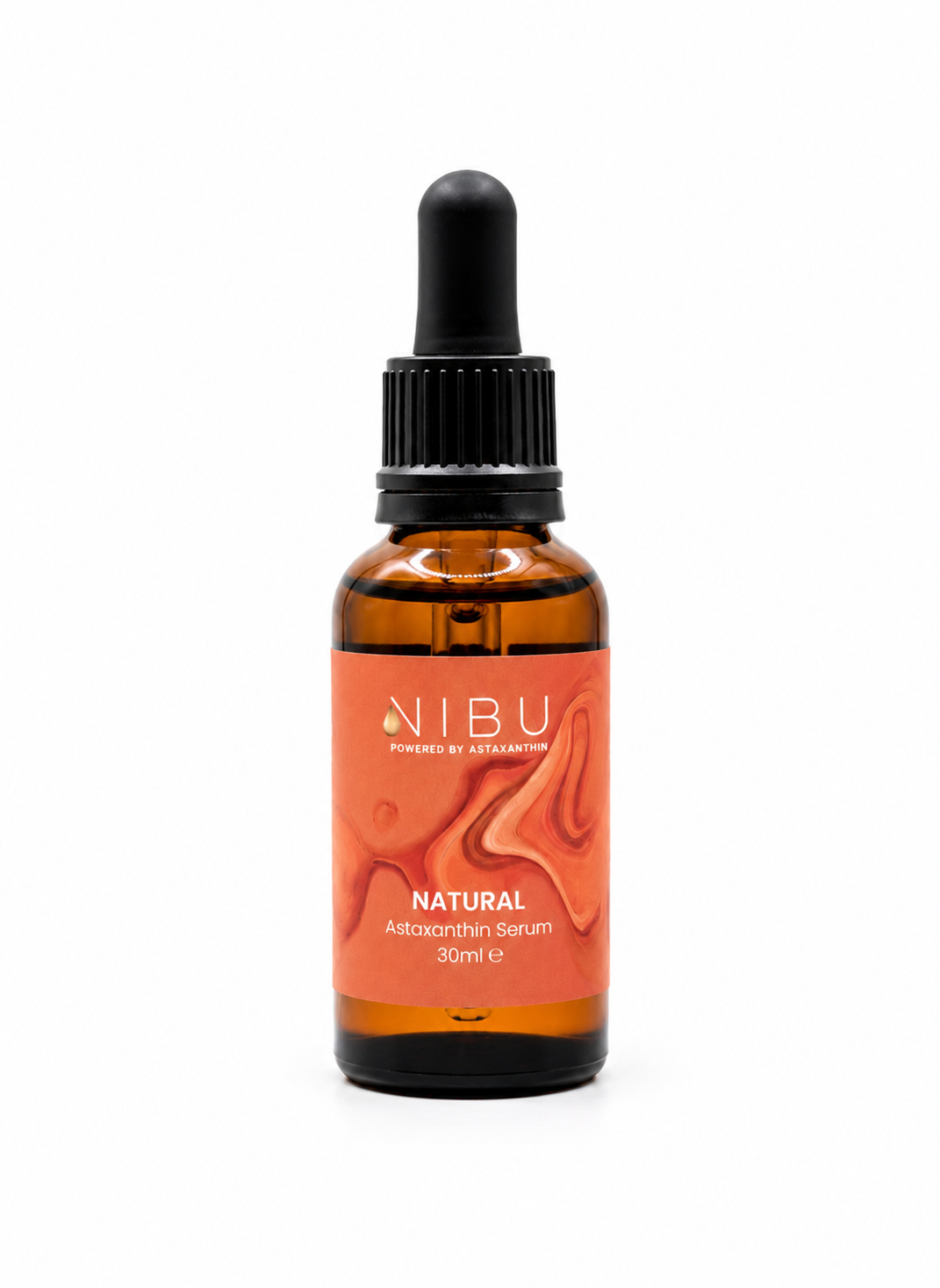
Nibu began with astaxanthin skincare because our founder became fascinated with the antioxidant science around this distinctive carotenoid. Astaxanthin remains our hero ingredient. But we would never tell a 25-year-old that she needs to "fight ageing". Healthy skin care should be about supporting the skin you have, not fearing the skin you may have later. Continue reading: Astaxanthin Benefits for Skin: What Does the Science Actually Say?
10. Build a Life, Not Just a Health Routine
Longevity conversations can become obsessively focused on steps, protein, supplements, sleep scores, heart-rate variability and biological age. But health is supposed to support your life. Not replace it. Friendships matter. Purpose matters. Joy matters. Feeling connected matters. Having people you can call matters. Doing things that make your life feel meaningful matters.
A healthy life that becomes an endless optimisation project is missing something important. Your 20s and 30s are years for building relationships and experiences as well as muscle and bone. Do both.
Do You Need Supplements in Your 20s and 30s?
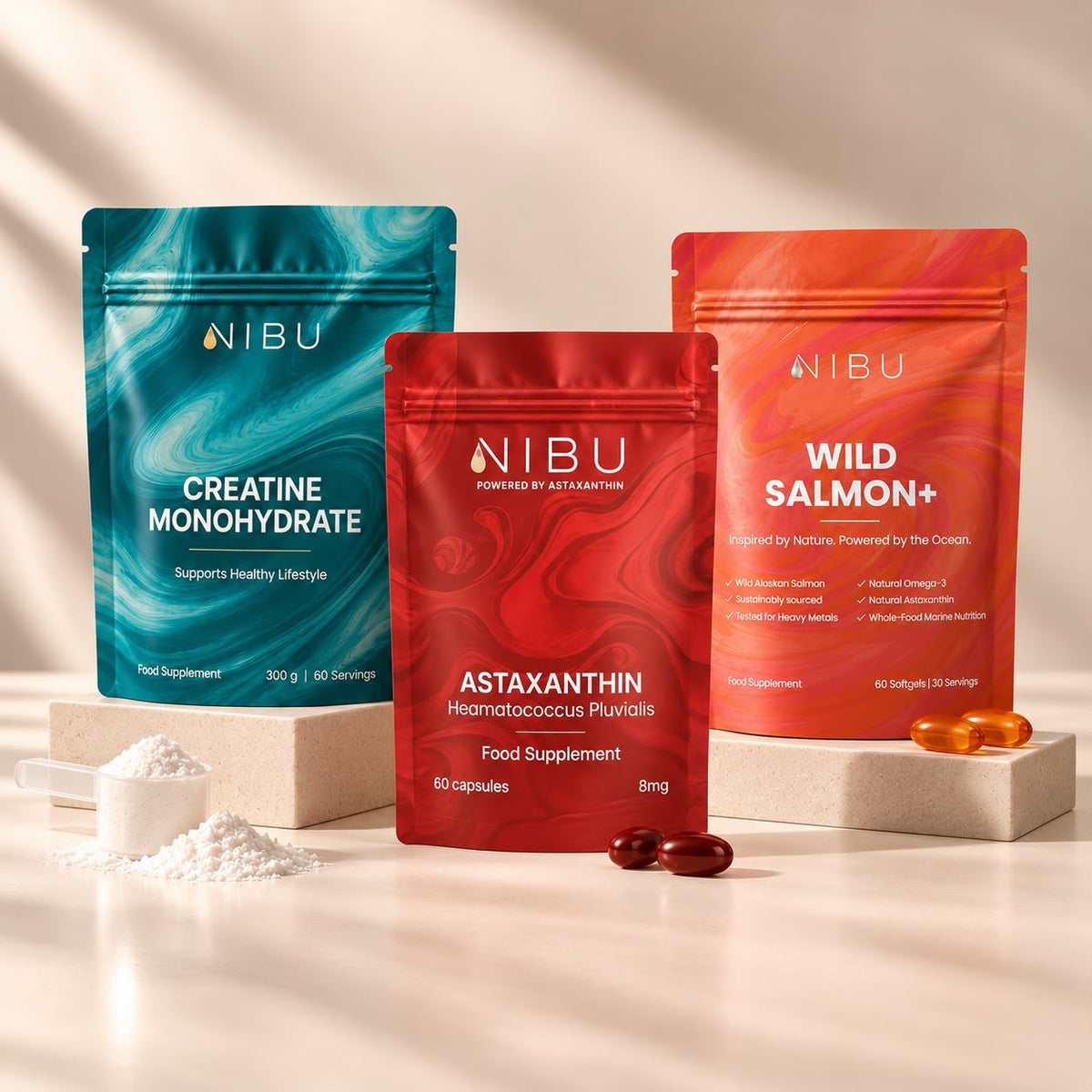
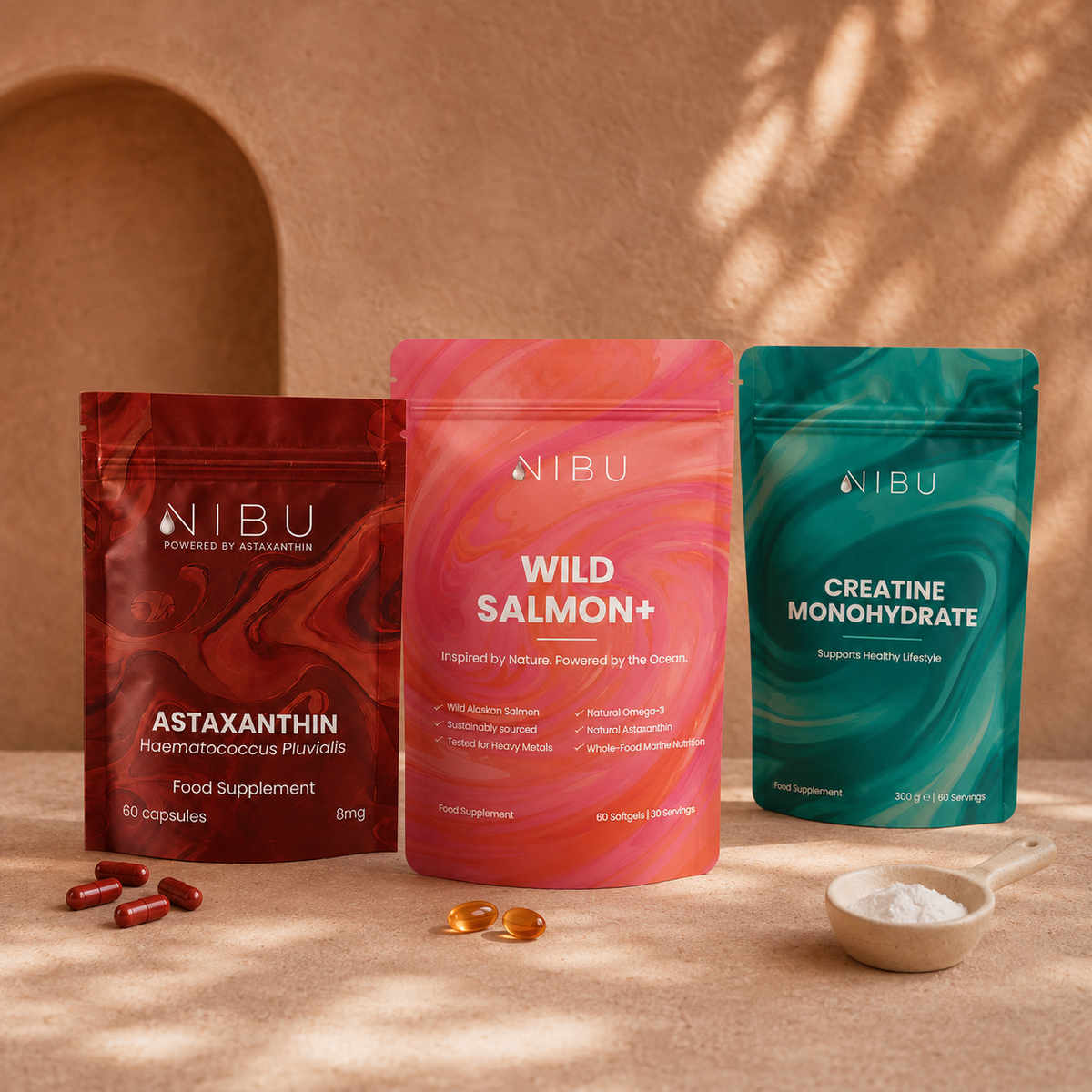
Not automatically. A young woman who eats a varied diet, exercises, sleeps well and has no identified nutritional gaps does not automatically need a long supplement list. Supplementation should have a reason. That might include vitamin D according to UK guidance, pregnancy-related nutritional requirements, vegan dietary needs, diagnosed deficiencies, individual dietary gaps, or evidence-based performance support such as creatine where appropriate. Supplements are not the first layer of healthy ageing. Habits are.
What About Creatine?
Creatine is increasingly discussed among women of all ages. Its strongest evidence remains around exercise performance, strength and lean tissue, particularly alongside resistance training, which means it can be relevant to younger women too. But you do not need creatine simply because you are interested in longevity. The foundation remains: train, eat adequately, recover, then decide whether supplementation adds something useful.
And What About Astaxanthin?
Astaxanthin is particularly important to Nibu because it is where the brand began. It is a carotenoid antioxidant produced naturally by microalgae including Haematococcus pluvialis. Research has investigated both oral and topical astaxanthin in relation to skin and other areas of health. But you do not need to start taking an astaxanthin supplement at 25 because you are frightened of ageing. If you choose astaxanthin skincare or supplementation, it should sit within a wider healthy lifestyle rather than replace it. Our philosophy is: support healthy ageing, do not fear ageing.
The 10 Habits at a Glance
| Habit | Why it matters |
|---|---|
| 1. Strength train | Builds and maintains muscle and supports bone |
| 2. Protect bone health | Early adulthood helps establish your skeletal foundation |
| 3. Think beyond weight | Body composition and physical function matter too |
| 4. Support cardiovascular health | Young-adult heart health influences later risk |
| 5. Build a sustainable diet | Habits established now become easier to maintain |
| 6. Eat enough protein | Supports muscle and many other tissues |
| 7. Prioritise sleep | Supports brain, metabolic and physical health |
| 8. Move in ways you enjoy | Makes long-term activity more sustainable |
| 9. Care for your skin sensibly | Healthy skin ageing starts with consistent care |
| 10. Invest in relationships and life | Health should support a meaningful life |
Myth vs Fact
Myth: Healthy ageing only matters after 40.
Fact: Many health behaviours and risk factors accumulate across adulthood. Young adulthood is an important period for building long-term cardiovascular, musculoskeletal and lifestyle foundations.
Myth: You should start worrying about getting old in your 20s.
Fact: Absolutely not. Healthy ageing is about investing in your health, not fearing the future.
Myth: Being slim means you are healthy.
Fact: Weight alone cannot tell you about muscle, fitness, blood pressure, metabolic health or lifestyle.
Myth: Cardio is all young women need.
Fact: Aerobic exercise is important, but muscle-strengthening activity is also recommended at least twice weekly.
Myth: Supplements are the secret to longevity.
Fact: Supplements can have useful roles, but movement, nutrition, sleep, smoking avoidance and broader lifestyle factors matter far more.
Myth: You need an aggressive anti-ageing skincare routine from 25.
Fact: Skin ageing is normal. Gentle, consistent skincare and sensible lifestyle habits are a much healthier approach than treating ageing as damage.
Frequently Asked Questions
| Question | Answer |
|---|---|
| Is 25 too young to think about healthy ageing? | Not at all, provided you think about it positively. Building healthy habits earlier simply gives those habits more time to support you. |
| What is the most important habit to start in your 20s? | There is no single winner, but regular movement, resistance training, nutritious eating, adequate sleep and not smoking are among the most important foundations. |
| Should women strength train in their 20s? | Yes. Strength training supports muscle, bone and physical function. NHS guidance recommends strengthening all major muscle groups on at least two days each week. |
| Is bone health important before menopause? | Yes. Much of peak bone mass is established by early adulthood, so bone health matters well before menopause. |
| Does heart health matter in your 20s? | Yes. Long-term cohort research shows that cardiovascular health patterns during young adulthood are associated with later cardiovascular disease risk. |
| Do I need supplements in my 20s? | Not necessarily. Needs depend on diet, lifestyle, health, pregnancy status and individual nutritional gaps. |
| Should I take creatine in my 20s? | Creatine can support certain exercise and strength goals, but it is optional rather than compulsory. |
| When should women start thinking about skincare for ageing? | Rather than starting "anti-ageing" skincare at a particular age, focus on healthy skin habits throughout adulthood. |
Key Takeaways
- Healthy ageing does not begin at menopause.
- Your 20s and 30s are valuable decades for building muscle, bone, cardiovascular health and sustainable habits.
- Resistance training deserves a place alongside cardio.
- Bone health matters long before osteoporosis is diagnosed.
- Heart health in young adulthood can influence later cardiovascular risk.
- Nutrition does not need to be perfect.
- Adequate sleep matters.
- Body weight is only one measure of health.
- You do not need a cupboard full of supplements.
- Skin ageing is normal and should not be feared.
- The best healthy-ageing routine is one you can imagine continuing for years.
The Nibu Longevity Take
Healthy ageing has become something women are often introduced to through fear, fear of wrinkles, fear of weight gain, fear of menopause, fear of losing muscle, fear of getting older. We would rather start somewhere completely different.
If you're 27, enjoy being 27. If you're 34, enjoy being 34. You do not need to spend your youngest years worrying about your oldest ones. But there is something powerful about recognising that the body you will live in at 60 is being cared for by the woman you are today. Every walk matters. Every strength session matters. Every good meal matters. Every proper night's sleep matters. Every friendship you nurture matters. Not because one of them will make you live forever, but because together they create a life in which health has a better chance to remain with you.
Astaxanthin started Nibu's journey through skin. Healthy ageing expanded that conversation to the whole woman. And perhaps the most important thing we have learned is this: you don't need to wait until ageing becomes visible to start looking after yourself. Start because you deserve to feel well now. Your future self can simply enjoy the benefits later.
Conclusion
Your 20s and 30s are not a deadline. If you did not exercise at 22, eat perfectly at 28 or sleep enough at 33, you have not ruined your future. Bodies remain adaptable. Habits can change. Health is not decided by one decade.
But if you are in your 20s or 30s today, you have something valuable: time. Time for movement to become normal. Time for strength to become part of your identity. Time to learn how to feed yourself well. Time to protect your heart and bones. Time to create a relationship with sleep that does not involve constant exhaustion. And time to build a version of healthy ageing that feels less like fighting the future and more like caring for the present. That is where we would start.
Continue Reading
- Walking for Longevity: How Many Steps Do You Really Need for Healthy Ageing?
- What Is Longevity? A Beginner's Guide to Living Longer and Healthier
- Why Muscle Is an Organ of Longevity: Why Women Need to Protect It as They Age
- Protein for Women Over 40: How Much Do You Really Need for Healthy Ageing?
- Oxidative Stress Explained: Why It Matters for Healthy Ageing
- Astaxanthin Benefits for Skin: What Does the Science Actually Say?
- Creatine and Brain Health for Women: What Does the Science Actually Say?
References
- Allen NB, et al. Cardiovascular Health Changes in Young Adults and Risk of Later-Life Cardiovascular Disease. Prospective CARDIA cohort study. 2025.
- Liu K, et al. Healthy Lifestyle Through Young Adulthood and the Presence of Low Cardiovascular Disease Risk Profile in Middle Age: The CARDIA Study. Circulation. 2012.
- Spring B, et al. Healthy Lifestyle Change and Subclinical Atherosclerosis in Young Adults: Coronary Artery Risk Development in Young Adults Study. Circulation. 2014.
- Norman JE, et al. Optimal Lifestyle Components in Young Adulthood Are Associated With Maintaining the Ideal Cardiovascular Health Profile Into Middle Age. 2015.
- NHS. Physical Activity Guidelines for Adults Aged 19 to 64. Current UK guidance.
- Stanford Medicine. Five Healthy Habits to Develop in Your 20s and 30s. 2026.
- Understanding the Importance of Peak Bone Mass. Review of peak bone mass development and lifelong skeletal health. 2024.
- Approach to Premenopausal Osteoporosis. Contemporary review describing determinants of peak bone mass and skeletal health in premenopausal women. 2025.
- Combined Healthy Lifestyle Factors Are More Beneficial in Reducing Cardiovascular Disease in Younger Adults: A Meta-analysis of Prospective Cohort Studies. 2020.
About The Nibu Journal
The Nibu Journal is the educational home of Nibu Naturals. Nibu began with astaxanthin skincare and has grown into a women's healthy-ageing brand supporting women through every stage of adulthood. We explore healthy ageing, women's health, nutrition, supplements, skin health and lifestyle through clear, evidence-led education. Because ageing well does not begin at 50. And it certainly does not mean fearing getting older.
Educate first. Support second. Sell naturally.
Medical Disclaimer
This article is provided for general educational purposes only and is not intended to diagnose, treat, cure or prevent any medical condition. Individual health needs vary. Speak to your GP, pharmacist, dietitian, physiotherapist or another appropriately qualified healthcare professional if you have a medical condition, concerns about exercise, dietary restrictions, pregnancy-related needs or questions about supplements. Food supplements should not be used as a substitute for a varied, balanced diet and healthy lifestyle.

Read more
Walking for Longevity: How Many Steps Do You Really Need for Healthy Ageing?
Walking may be one of the simplest healthy-ageing habits available to us. But do you really need 10,000 steps every day? We explore what the latest research says about daily steps, longevity, heart...
En savoir plus
Why Your Metabolism Changes as You Age and What You Can Actually Do About It
Metabolism does not suddenly switch off when you turn 30 or 40. We explore what really changes with age, how muscle, movement, hormones, sleep and body composition influence metabolic health, and w...
En savoir plusShop
Meilleures ventes