Protein for Women Over 40: How Much Do You Really Need for Healthy Ageing?
Quick Answer
Protein is essential at every age, but it becomes increasingly important as we get older because maintaining muscle mass and strength becomes more challenging.
Women over 40 do not all need exactly the same amount of protein.
The UK Reference Nutrient Intake for adults is based on around 0.75 g of protein per kilogram of body weight per day, but this represents a population-level minimum designed to prevent deficiency rather than necessarily an optimal intake for healthy ageing, exercise or muscle maintenance.
Expert groups focused on older adults commonly recommend around 1.0–1.2 g/kg/day for healthy adults over 65, with higher intakes sometimes advised during illness, malnutrition risk or recovery.
For women in their 40s and 50s, especially those who strength train, are dieting or want to protect muscle through menopause, aiming towards the higher end of normal protein intake may be reasonable.
But protein works best as part of a bigger picture. Protein provides the building materials. Resistance training gives your body the reason to use them.
What You’ll Learn
- Why protein becomes more important with age.
- Whether women need more protein after 40.
- The difference between minimum and optimal intake.
- What 1.0–1.2 g/kg actually looks like.
- Why menopause matters.
- What anabolic resistance means.
- Why protein and resistance training work together.
- Whether you need protein at every meal.
- Animal versus plant protein.
- Whether protein shakes are necessary.
- What happens if you eat too little protein.
- Whether very high-protein diets are automatically better.
- How to build a simple protein-rich day without obsessively tracking food.
Introduction: Protein Is Not Just for Gym-Goers
Protein has somehow acquired the same image problem as creatine. For years, it has been associated with bodybuilders, protein shakers and people weighing chicken breasts on kitchen scales. But protein is not a fitness trend. It is one of the fundamental nutrients your body requires to function.
Protein contributes to muscle, skin, enzymes, hormones, immune proteins, connective tissues, transport molecules, and repair and recovery.
And as women move through midlife, one role becomes increasingly important: helping maintain muscle.
You do not need to consume enormous quantities of protein. You do not need to eat meat at every meal. And you certainly do not need a cupboard full of protein powders. The real goal is much simpler: eat enough protein, spread it sensibly through the day, pair it with regular resistance exercise and build a diet you can actually maintain.
What Is Protein?
Protein is made from smaller building blocks called amino acids. Your body uses amino acids to build and repair proteins throughout the body. There are 20 amino acids commonly used in human protein metabolism, including nine considered essential amino acids because the body cannot manufacture enough of them itself. These must come from food.
When you eat protein, digestion breaks it down into amino acids and small peptides. Your body then uses those components according to its needs. It does not simply send all dietary protein straight to your muscles. That is why protein is better thought of as an essential structural and functional nutrient rather than a “muscle food”.
Why Does Protein Matter More as We Age?
Young muscle is generally responsive to relatively modest amounts of protein and exercise. As we age, this response can become less efficient. Researchers sometimes describe this as anabolic resistance. In simple terms, older muscle may require a stronger stimulus from both resistance exercise and dietary protein to produce the same muscle-building response seen at a younger age.
This does not mean your body stops responding. It means the signal may need to become clearer. That is one reason expert groups working in older-adult nutrition often recommend protein intakes above the minimum adult reference level.
Does Protein Become Important at 40?
There is no biological switch that flips on your 40th birthday. The reason 40 is a useful point for this conversation is that midlife is often when several changes begin to overlap: you may become less active, work and caring responsibilities can increase, sleep may become less consistent, perimenopause may begin, body composition can start changing, and dieting may become more frequent.
All of these can increase the risk that women unintentionally lose muscle. Protein becomes particularly valuable when combined with the thing that tells your body to preserve that muscle: resistance training.
Protein and Menopause
Menopause is not a protein-deficiency condition. But it is a period when muscle and body composition deserve more attention. Declining oestrogen, ageing, changes in activity, sleep disruption and other lifestyle factors can all influence muscle health during midlife.
Research shows that resistance training remains highly effective in post-menopausal women. A systematic review examining whey protein in post-menopausal women found that additional whey protein was more beneficial when paired with resistance training, while supplementation without resistance training showed little clear benefit for muscle strength or lean mass. The body needs both the stimulus and the building materials.
How Much Protein Do Women Actually Need?
For healthy UK adults, the population reference intake is around 0.75 g/kg/day. But expert groups focusing specifically on older adults have argued that around 1.0–1.2 g/kg/day may better support muscle and physical function in healthy older people. For healthy women in midlife, there is no universally agreed target. So rather than pretending one perfect number exists, we should think in ranges and context.
What Does 1.0–1.2 g/kg Look Like?
| Body weight | 1.0 g/kg | 1.2 g/kg |
|---|---|---|
| 55 kg | 55 g | 66 g |
| 60 kg | 60 g | 72 g |
| 65 kg | 65 g | 78 g |
| 70 kg | 70 g | 84 g |
| 75 kg | 75 g | 90 g |
| 80 kg | 80 g | 96 g |
These numbers are not prescriptions. They simply show what commonly discussed healthy-ageing protein ranges look like in everyday terms.
Why Very Low Protein Can Become a Problem
Women can unintentionally under-eat protein for many reasons: skipping breakfast, living on toast and coffee, eating salads without a substantial protein source, dieting aggressively, replacing full meals with snacks, or losing appetite with age or illness. Over time, inadequate overall nutrition can make maintaining muscle more difficult, particularly when combined with inactivity.
More Protein Is Not Automatically Better
Once requirements and useful physiological ranges are met, consuming substantially more does not guarantee proportionally better health. Extremely high protein intakes can also make a diet unnecessarily restrictive if they displace vegetables, fruit, whole grains, pulses, healthy fats and fibre-rich foods. Protein is important. It is not the entire diet.
Protein and Resistance Training: Better Together
A 2025 network meta-analysis of 38 randomised trials involving adults aged 50 and over found that combining resistance training with protein supplementation produced greater improvements in lean body mass than protein supplementation alone. Supplements and nutrients should support healthy behaviour, not replace it.
Do Women Respond to Strength Training as Well as Men?
Yes. A systematic review and meta-analysis comparing older men and women found no meaningful sex-based differences in changes in limb muscle size or physical performance following the same resistance-training programmes. Women actually demonstrated greater relative improvements in some strength measures. Your body still responds to challenge.
Is Protein Timing Important?
Total daily intake matters most. But there is also a sensible argument for spreading protein across the day rather than consuming almost all of it at dinner. Think: include a genuine protein source at each main meal.
How Much Protein Per Meal?
For many women, aiming for roughly 20–30 g at a main meal can be a useful practical guide rather than a strict rule. The point is not precision. It is avoiding meals that contain virtually no meaningful protein.
Breakfast Is Often Where Women Fall Short
Common breakfasts such as toast and jam, cereal, fruit alone or coffee and a pastry may contain relatively little protein. Higher-protein alternatives could include: Greek yoghurt with berries, seeds and nuts; eggs with wholegrain toast; cottage cheese with fruit; tofu scramble; overnight oats made with yoghurt or milk; porridge with milk and added yoghurt or nuts; smoked salmon and eggs; or a balanced smoothie containing yoghurt or milk.
What Are the Best Protein Foods?
Animal sources include fish, eggs, Greek yoghurt, cottage cheese, milk, chicken, turkey, lean meat and seafood. These generally provide all essential amino acids in useful proportions.
Plant sources include lentils, chickpeas, beans, tofu, tempeh, edamame, soy yoghurt, nuts, seeds, quinoa and whole grains. Plant proteins can absolutely contribute to healthy ageing. Vegetarians and vegans may simply need to be a little more deliberate about total protein intake and food variety.
Do You Need Complete Protein at Every Meal?
No. The idea that every plant-based meal must contain perfectly matched amino acids at the same sitting is outdated. Your body maintains an amino acid pool and uses nutrients consumed across the day. Variety matters more than obsessively combining foods at every meal.
Is Animal Protein Better for Muscle?
Animal proteins often contain higher concentrations of essential amino acids and may provide more leucine per gram than many individual plant proteins. That does not mean plant-based diets cannot support muscle. Someone eating predominantly plant protein may need to pay more attention to total intake, variety, portion sizes and higher-quality plant sources such as soy.
What Is Leucine?
Leucine is one of the essential amino acids and plays an important signalling role in stimulating muscle protein synthesis. You do not need to micromanage leucine intake if you are already eating adequate amounts of high-quality protein through a varied diet.
Do Women Over 40 Need Protein Powder?
No. Protein powder is a convenience food, not a requirement for healthy ageing. Protein powder can be helpful if you struggle to eat enough protein, have little appetite, need a quick breakfast, or your schedule makes whole-food meals difficult. But there is no special health benefit to drinking protein simply because it comes in powder form.
Whey Protein vs Plant Protein
Whey is rich in essential amino acids and leucine and is rapidly digested. Plant protein powders can also be useful, particularly soy, pea and blended formulations. The important question is not which powder is perfect, but whether you are getting enough useful protein from your diet overall.
Protein and Weight Loss After 40
When people lose weight through calorie restriction, they do not always lose only fat. Some lean tissue can also be lost. Adequate protein combined with resistance training can help protect muscle during weight loss. The goal should not simply be to weigh less, but to improve body composition while protecting strength and function.
Protein Is Not a Fat-Burning Nutrient
Protein can support satiety and has a higher thermic effect than some other macronutrients, but calling protein a “fat-burning food” oversimplifies weight regulation. It does not override total diet.
Protein and Bone Health
Protein is sometimes unfairly portrayed as harmful to bones. In reality, bone is a living tissue containing a substantial protein matrix. Adequate protein forms part of good bone nutrition, alongside calcium, vitamin D and physical activity. Protein should not be viewed as an enemy of bone health.
Can You Eat Too Much Protein?
For most healthy adults, moderate higher-protein diets are generally well tolerated. People with certain forms of kidney disease may be advised to limit or modify protein intake, which is very different from saying protein damages healthy kidneys. If you have been diagnosed with kidney disease or another condition requiring a therapeutic diet, follow the personalised advice from your healthcare team.
A Practical Day of Protein-Rich Eating
Breakfast: Greek yoghurt, berries, oats and seeds, approximately 20–25 g protein.
Lunch: Lentil and quinoa salad with vegetables and feta approximately 20–25 g.
Snack: Fruit with cottage cheese or a small handful of nuts and yoghurt approximately 10–15 g.
Dinner: Salmon with potatoes and vegetables approximately 25–30 g.
Total: roughly 75–95 g depending on serving sizes. No enormous steak. No six protein shakes. No bodybuilding diet. Just ordinary food.
Protein Portions Without Tracking
Make sure each main meal contains an obvious protein source: Breakfast yoghurt, eggs or tofu. Lunch fish, chicken, beans, lentils or cottage cheese. Dinner salmon, tofu, lean meat or pulses. Tracking can be useful temporarily if you genuinely have no idea how much protein you eat. It does not need to become a permanent obsession.
Protein and Creatine: Different Jobs
Protein and creatine are not interchangeable. Protein supplies amino acids. Creatine supports rapid cellular energy availability through the phosphocreatine system. If maintaining muscle is your goal, the hierarchy should look something like: (1) Resistance training, (2) Adequate overall nutrition, (3) Adequate protein, (4) Good recovery and sleep, (5) Evidence-based supplementation where useful. Creatine can sit within number five. Protein belongs much closer to the foundation.
What About Wild Salmon+?
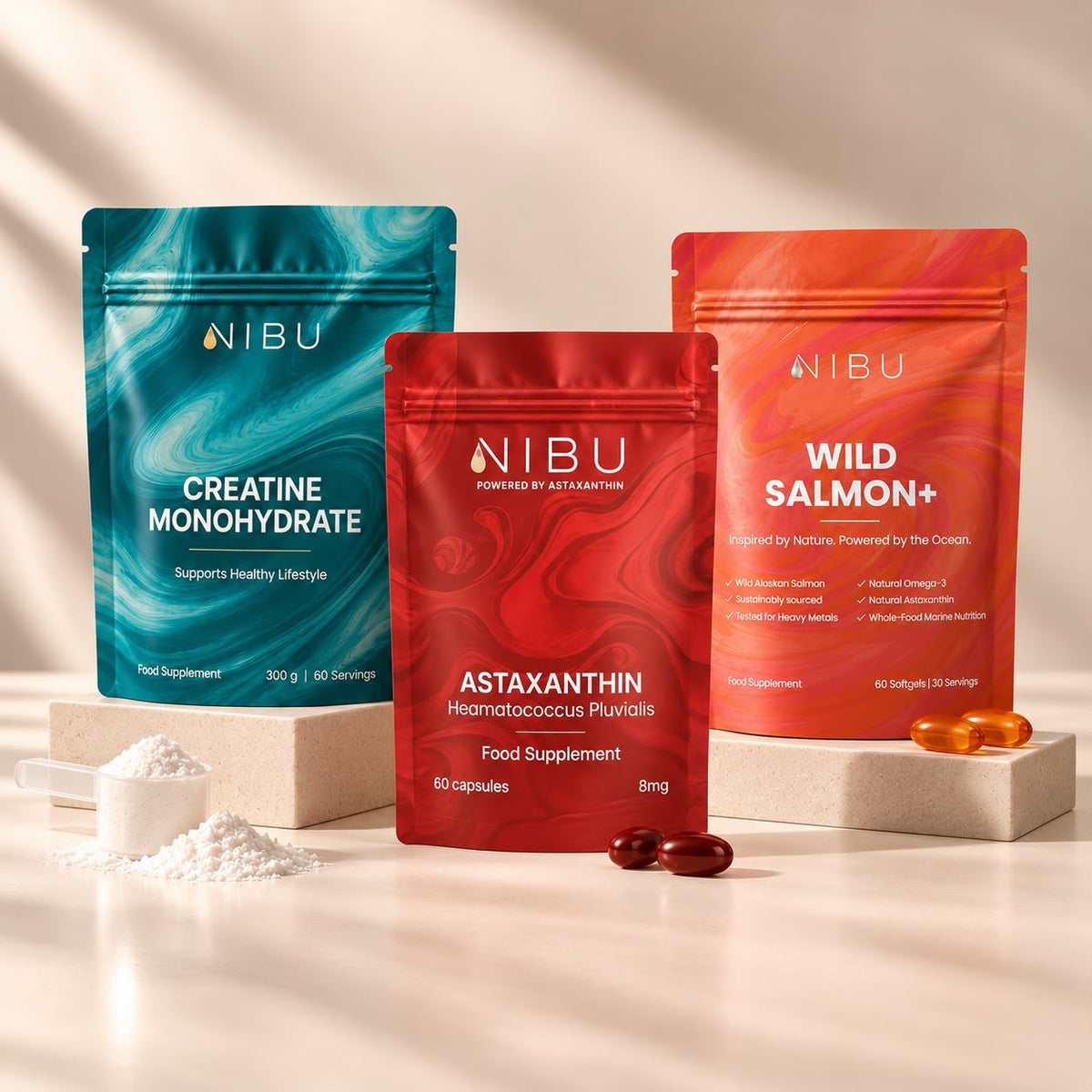
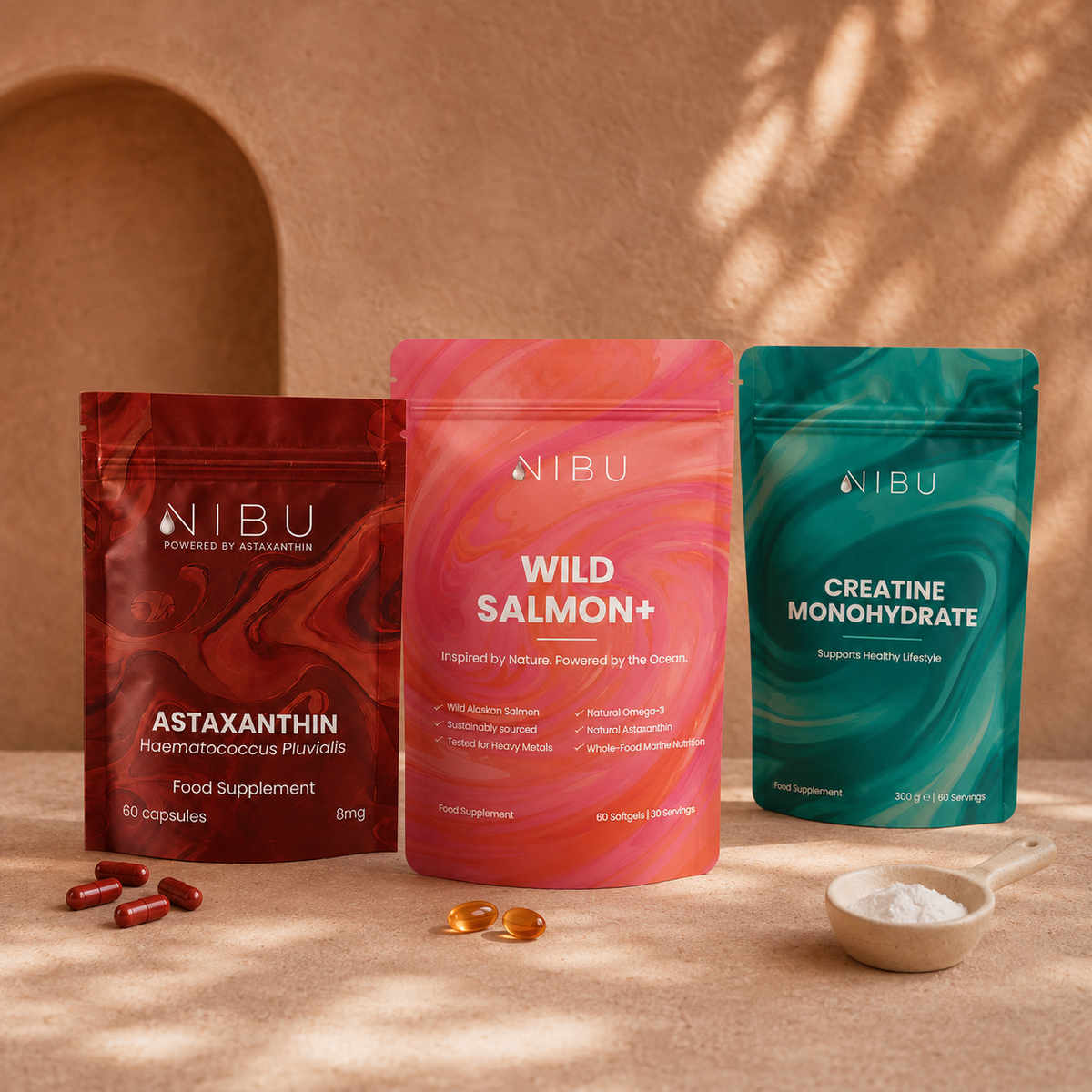
Whole foods should remain the foundation of your nutrition. Fish is particularly useful because it can provide protein alongside marine omega-3 fatty acids and other nutrients. Nibu Wild Salmon+ is not a protein supplement and should never be presented as one. It serves a different nutritional purpose.
Protein for Women Over 40 at a Glance
| Question | Evidence-led answer |
|---|---|
| Do women need protein? | Absolutely. It is essential throughout life. |
| Does protein become more important with age? | Yes, particularly for muscle maintenance. |
| Is 0.75 g/kg enough for everyone? | It is a population reference intake, not necessarily an optimal healthy-ageing target. |
| What do older-adult expert groups often suggest? | Around 1.0–1.2 g/kg/day for healthy older adults. |
| Does every woman over 40 need 1.2 g/kg? | No. Needs vary by age, body size, activity and health. |
| Does protein build muscle by itself? | Not effectively. Resistance training provides the main stimulus. |
| Should protein be spread through the day? | It is sensible to include meaningful protein at each main meal. |
| Do you need protein powder? | No. |
| Can plant protein count? | Absolutely. |
| Is more protein always better? | No. |
| Does protein replace creatine? | No. They serve different roles. |
| Does protein replace exercise? | Definitely not. |
Myth vs Fact
Myth: Protein is only important if you go to the gym.
Fact: Protein is an essential nutrient involved in tissues and processes throughout the body.
Myth: Women over 40 need huge amounts of protein.
Fact: Protein becomes increasingly relevant with age, but there is no single massive target every woman needs to follow.
Myth: Protein automatically makes you bulky.
Fact: Muscle growth requires resistance training, sufficient energy, progressive overload and time.
Myth: You need protein shakes to maintain muscle.
Fact: Whole foods can provide all the protein many women need. Powders are simply convenient.
Myth: Plant protein does not count.
Fact: Plant proteins contribute meaningfully to total intake. Variety and adequate overall intake matter.
Myth: More protein always means more muscle.
Fact: Muscle adaptation depends heavily on resistance training. Beyond useful intake ranges, additional protein does not guarantee additional muscle.
Myth: Protein damages everyone’s kidneys.
Fact: Healthy people and people with kidney disease should not be treated as though they have the same nutritional requirements. Diagnosed kidney disease requires individual medical guidance.
Frequently Asked Questions
How much protein should a 40-year-old woman eat?
There is no universal amount based solely on age. The UK adult reference intake is around 0.75 g/kg/day, while expert groups focused on older adults commonly suggest around 1.0–1.2 g/kg/day for healthy people over 65. Women in midlife who strength train or are dieting may reasonably benefit from paying closer attention to protein intake, but individual needs vary.
How much protein should a woman over 50 eat?
There is no single perfect number. Body weight, physical activity, health, appetite and goals all influence requirements.
Is 100 g of protein too much for a woman?
It depends on body size and context. For an 80 kg active woman, 100 g is around 1.25 g/kg. For a much smaller sedentary woman, it represents a substantially higher intake relative to body weight.
Is protein more important during menopause?
Muscle protection becomes increasingly important around menopause, making adequate protein and resistance training particularly relevant.
What happens if I do not eat enough protein?
Chronically inadequate protein can contribute to poor muscle maintenance, reduced recovery and, in severe cases, malnutrition.
Should I eat protein before or after exercise?
Either can contribute to your daily intake. Total intake and regular protein-containing meals matter more than obsessing over a narrow post-workout window.
What is the best protein for women over 40?
There is no single best source. Fish, eggs, dairy, tofu, pulses, soy foods, poultry, lean meat, nuts and seeds can all contribute.
Can vegetarians get enough protein?
Yes, with appropriate food selection and sufficient overall intake.
Can vegans get enough protein?
Yes. Soy foods, tofu, tempeh, beans, lentils, peas, nuts, seeds and grains can provide adequate protein when the diet is well planned.
Do I need more protein if I lift weights?
Resistance training increases the importance of adequate protein intake to support muscle adaptation and recovery.
Is protein powder necessary?
No. It is useful only if it makes meeting your needs easier.
Key Takeaways
- Protein is essential at every age.
- Its importance becomes particularly noticeable as we get older because maintaining muscle becomes more challenging.
- Women over 40 do not have one universal protein target.
- The adult reference intake is a minimum population guideline, while expert groups focused on older adults often recommend around 1.0–1.2 g/kg/day for healthy people over 65.
- Protein works best alongside resistance training.
- Food should remain the foundation.
- Plant and animal proteins can both contribute.
- Protein powder is optional.
- More is not automatically better.
- Healthy ageing is not about consuming the maximum amount of protein possible. It is about eating enough to support the body you want to keep using.
The Nibu Longevity Take
Healthy ageing nutrition is often presented as a search for the next remarkable ingredient. But sometimes the most powerful nutrients are the ones we have known about all along.
Protein is not glamorous. It does not need a complicated biohacking protocol. And it certainly does not need to become another number women feel pressured to perfect.
Protein helps provide the raw materials your body uses to maintain the tissues that keep you strong, mobile and capable. But protein alone cannot create strength. Your muscles need a reason to stay.
So lift something. Carry something. Challenge yourself. Then nourish your body well enough to adapt.
As women, we have spent enough years being encouraged to eat less and take up less space. Healthy ageing may require a different mindset. Eat enough. Build strength. Protect the body that carries you through life.
Conclusion
Protein deserves a place in every conversation about women’s healthy ageing. Not because women over 40 suddenly need a bodybuilding diet. But because muscle, strength and physical independence become increasingly valuable as we move through midlife and beyond.
The best approach is not extreme: eat a meaningful source of protein at each main meal, prioritise whole foods, include plant and animal sources according to your preferences, strength train regularly, avoid unnecessary restriction, and use protein powders only if they make life easier.
Healthy ageing is built through nourishment, movement, sleep, recovery and consistency. Not through one perfect nutrient.
References
- Bauer J, et al. Evidence-Based Recommendations for Optimal Dietary Protein Intake in Older People. Journal of the American Medical Directors Association. 2013;14(8):542–559.
- Deutz NEP, et al. Protein Intake and Exercise for Optimal Muscle Function With Aging. Clinical Nutrition. 2014;33(6):929–936.
- Volkert D, et al. ESPEN Practical Guideline: Clinical Nutrition and Hydration in Geriatrics. Clinical Nutrition. 2022;41(4):958–989.
- González-Gálvez N, et al. Resistance Training Effects on Healthy Postmenopausal Women. Climacteric. 2024;27(3):296–304.
- Effects of Whey Protein Supplementation in Postmenopausal Women. Nutrients. 2022;14(19):4210.
- Li J, et al. Effect of Protein Supplementation Combined With Resistance Training on Gait Speed in Older Adults. Journal of Aging and Physical Activity. 2024;32(5):668–678.
- Churchward-Venne TA, et al. Sex-Based Differences in Resistance Exercise Training-Induced Changes in Muscle Mass, Strength and Physical Performance. Ageing Research Reviews. 2023;90:102023.
- Comparison of Protein Supplementation Combined With Resistance Training on Body Composition in Healthy Elderly Adults: A Network Meta-Analysis. 2025.
- Effects of Protein Supplementation Associated With Resistance Training on Body Composition and Muscle Strength in Older Adults. Sports Medicine. 2022.
- Effectiveness of Whey Protein Supplementation on Muscle Strength and Physical Performance of Older Adults. 2024.
Continue Reading
- Muscle Is an Organ of Longevity: Why Women Need to Protect It as They Age
- Creatine for Women Over 40: Benefits, Safety and What the Science Actually Says
- Creatine During Menopause: Benefits, Safety and How to Take It
- Mitochondria and Ageing: Why Your Cellular Energy Matters More as You Get Older
- Perimenopause Explained: What Is Happening to Your Body in Your 40s?
- Coming next in The Nibu Journal: The Healthy Ageing Trio: Creatine, Wild Salmon+ and Astaxanthin
About The Nibu Journal
The Nibu Journal is the educational home of Nibu Naturals. Created for women who want to understand healthy ageing rather than fear it, we explore longevity, nutrition, women’s health, skin health, movement and evidence-based supplementation in clear, accessible British English.
Our philosophy is simple: Educate first. Support second. Sell naturally because informed women make better decisions about their long-term health.
Medical Disclaimer
This article is provided for educational purposes only and is not intended to diagnose, treat, cure or prevent any medical condition. Protein requirements vary according to age, body size, activity level, health status and individual circumstances. If you have kidney disease, liver disease, malnutrition, an eating disorder, a condition requiring a therapeutic diet, or another significant medical condition, seek personalised advice from your GP, dietitian or another appropriately qualified healthcare professional before significantly changing your protein intake. Food supplements should not be used as a substitute for a varied, balanced diet and healthy lifestyle.

Read more
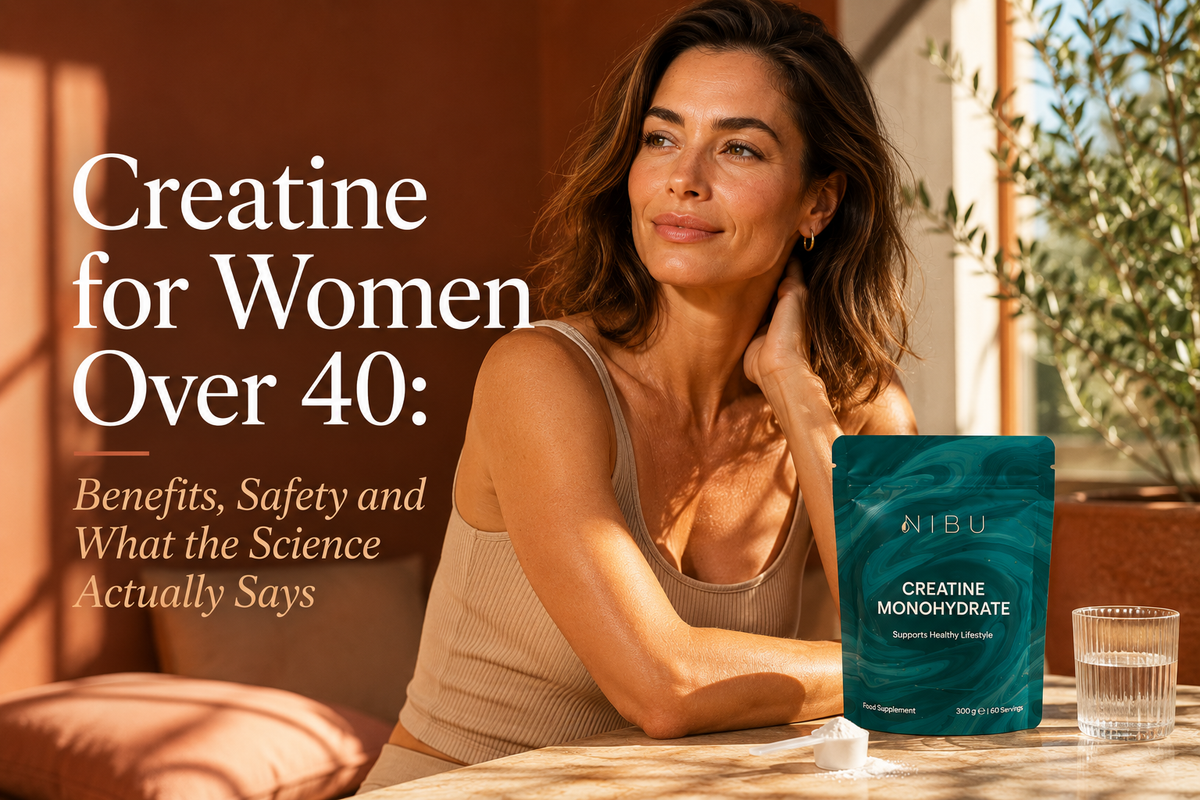
Creatine for Women Over 40: Benefits, Safety and What the Science Actually Says
Creatine is no longer just a supplement for bodybuilders. Research is increasingly exploring its role in women's health, muscle, strength and healthy ageing. Here's what women over 40 should actual...
Leer más
Perimenopause Explained: What Is Happening to Your Body in Your 40s?
Perimenopause can affect far more than your periods. From sleep and mood to body composition, muscle, skin and temperature regulation, discover what is actually happening during the menopause trans...
Leer másShop
Los más vendidos