Healthy Ageing After 40: 10 Evidence-Based Habits Every Woman Should Know
Quick Answer
Turning 40 doesn't mean your best years are behind you. In fact, it's one of the best times to take a proactive approach to your health. While some natural changes occur as we age, research shows that everyday habits, such as staying active, eating well, prioritising sleep and maintaining muscle, can have a profound impact on how healthy, strong and independent we remain in the decades ahead.
Healthy ageing isn't about trying to stop the clock. It's about giving your body the support it needs to thrive.
What You'll Learn
In this article, you'll discover:
- What happens to your body after 40
- Why healthy ageing begins long before old age
- Ten evidence-based habits that support long-term health
- How small, consistent lifestyle changes can make a lasting difference
- Why it's never too late to improve your future health
Introduction
Reaching your forties can bring a mix of emotions.
For some women, it's a time of confidence and self-assurance. For others, it may come with concerns about energy levels, changing hormones, weight gain or the first visible signs of ageing.
The truth is that ageing is a natural part of life. It's not something to fear, and it's certainly not something to "fight" at all costs.
Instead, it's an opportunity.
Your forties are often when the foundations for your future health become even more important. Choices you make now can influence how you feel in your fifties, sixties and beyond.
The encouraging news is that many of the factors that shape healthy ageing are within your control.
You can't change your genetics, but you can influence how those genes are expressed through the food you eat, how much you move, how well you sleep and the habits you build every day.
At Nibu Naturals, we believe healthy ageing isn't about perfection. It's about making informed, evidence-based choices that help you stay strong, resilient and confident for years to come.
Here are ten of the most powerful habits you can start today.
1. Make Strength Training a Non-Negotiable
If there is one habit that deserves to sit at the top of the list, it's maintaining your muscles.
From around the age of 30, adults naturally begin to lose muscle mass and strength. For women, this process often accelerates during perimenopause and menopause as oestrogen levels decline.
Why does this matter?
Because muscle is about much more than looking toned.
Healthy muscle supports:
- Balance and mobility
- Blood sugar regulation
- Bone strength
- Metabolic health
- Everyday independence
Think of muscle as your body's "insurance policy" for later life. The more you invest in it now, the more it can support you in the future.
The good news is that you don't need to spend hours in the gym. Two or three sessions of resistance training each week, using weights, resistance bands or even your own body weight, can make a meaningful difference.
Nibu Tip: If you're new to strength training, start with simple exercises such as squats, wall push-ups and resistance band rows. Progress gradually and focus on consistency rather than intensity.
2. Prioritise Protein at Every Meal
Protein is the building block your body uses to repair and maintain muscle, produce hormones and support many other essential functions.
As we age, our muscles become less responsive to protein, a process known as anabolic resistance. This means that eating enough protein becomes increasingly important after 40.
Rather than saving most of your protein for dinner, aim to include a good source at each meal.
Examples include:
- Eggs
- Greek yoghurt
- Cottage cheese
- Fish
- Chicken
- Tofu
- Tempeh
- Lentils
- Beans
Spreading your protein intake throughout the day helps provide your muscles with a more consistent supply of amino acids for repair and maintenance.
Remember, protein works best when paired with regular resistance exercise.
3. Don't Underestimate the Power of Sleep
Sleep is often the first thing to suffer when life gets busy.
Yet it's during sleep that your body carries out many of its most important maintenance tasks.
Quality sleep supports:
- Muscle recovery
- Memory consolidation
- Hormone regulation
- Immune function
- Emotional wellbeing
Poor sleep has also been linked to increased inflammation, reduced insulin sensitivity and a greater risk of several chronic health conditions.
Many women notice changes in their sleep during perimenopause and menopause, often due to night sweats, hot flushes, or shifting hormone levels.
While these changes can be challenging, establishing a consistent bedtime routine, limiting caffeine later in the day and creating a cool, dark sleep environment can all help improve sleep quality.
Healthy ageing doesn't happen while you're awake alone; your body does some of its most important repair work overnight.
4. Move Your Body Every Day
Exercise isn't limited to gym sessions.
In fact, some of the healthiest people in the world move more throughout the day.
Walking, climbing stairs, gardening, dancing, carrying shopping, or playing with grandchildren all contribute to your daily activity levels.
This is sometimes referred to as non-exercise activity thermogenesis (NEAT), and it plays an important role in supporting overall health.
If you spend long periods sitting, try to break up your day with short movement breaks.
Even five minutes of walking every hour can make a difference.
The goal isn't perfection. It's movement.
5. Eat the Rainbow: Nourish Your Body with a Colourful, Whole-Food Diet
There isn't a single "superfood" that can prevent ageing.
Instead, research consistently shows that overall dietary patterns have a much greater impact on long-term health than any individual food or nutrient.
A colourful, balanced diet provides your body with the vitamins, minerals, fibre and plant compounds it needs to function at its best.
Aim to fill your plate with a variety of:
- Colourful vegetables
- Fruits
- Wholegrains
- Beans and legumes
- Nuts and seeds
- Oily fish
- Healthy fats such as extra virgin olive oil and avocado
Each colour represents different beneficial plant compounds, often called phytonutrients, which help protect cells from oxidative stress and support healthy ageing.
For example:
- Red foods like tomatoes contain lycopene.
- Orange vegetables such as carrots provide beta-carotene.
- Dark leafy greens are rich in folate and vitamin K.
- Blue and purple berries contain anthocyanins, powerful antioxidants linked with brain and heart health.
Rather than focusing on strict diets, think about adding more nourishing foods to your plate.
Small improvements, repeated consistently, are far more sustainable than dramatic changes that are difficult to maintain.
Nibu Tip: Challenge yourself to eat five different colours of fruit and vegetables each day. It's a simple habit that naturally increases dietary variety.
6. Protect Your Heart and Metabolic Health
Heart disease remains one of the leading causes of illness in women, yet many people still think of it as a predominantly male condition.
After menopause, declining oestrogen levels contribute to changes in cholesterol levels, blood vessel function and body fat distribution. This means cardiovascular health deserves increasing attention after 40.
The encouraging news is that many of the biggest risk factors are influenced by lifestyle.
Healthy habits include:
- Regular physical activity
- Maintaining muscle mass
- Eating a fibre-rich diet
- Managing blood pressure
- Not smoking
- Limiting alcohol intake
- Managing stress
- Attending routine health checks
Muscle health also plays an important role here. Healthy muscle improves insulin sensitivity and helps regulate blood sugar, reducing the risk of metabolic syndrome and type 2 diabetes.
Looking after your heart isn't just about preventing disease. It's about supporting the energy and vitality you need to enjoy everyday life.
Nibu Tip: If you're over 40, don't wait until you feel unwell. Regularly monitor your blood pressure, cholesterol and blood glucose if recommended by your healthcare professional.
7. Manage Stress and Support Your Mental Wellbeing
Modern life is demanding.
Many women in their forties find themselves balancing careers, family responsibilities, ageing parents and countless daily commitments.
While occasional stress is a normal part of life, chronic stress can have wide-ranging effects on health.
Long-term stress has been associated with:
- Poor sleep
- Increased inflammation
- Elevated blood pressure
- Reduced immune function
- Emotional exhaustion
- Less motivation to exercise and prepare healthy meals
Healthy ageing isn't just about looking after your body. It's also about protecting your emotional wellbeing.
Simple habits can make a meaningful difference, including:
- Spending time outdoors
- Practising mindfulness or meditation
- Journalling
- Deep breathing exercises
- Speaking with friends or family
- Seeking professional support when needed
Remember, asking for help is a sign of strength, not weakness.
Supporting your mental health is an essential part of supporting your physical health.
Nibu Tip: Even ten minutes of quiet time each day can help reduce feelings of overwhelm and create space to reset.
8. Look After Your Skin From the Inside Out
Healthy skin is often seen as a cosmetic concern, but it's also an important reflection of overall health.
As we age, natural collagen production slows, skin becomes thinner and moisture levels gradually decline.
While no skincare routine can stop the ageing process, healthy lifestyle habits can support skin health from within.
These include:
- Eating a nutrient-rich diet
- Staying hydrated
- Avoiding smoking
- Wearing daily sunscreen
- Sleeping well
- Managing stress
Oxidative stress also plays a role in skin ageing by contributing to the breakdown of collagen and elastin.
This is why antioxidants have become an important area of healthy ageing research.
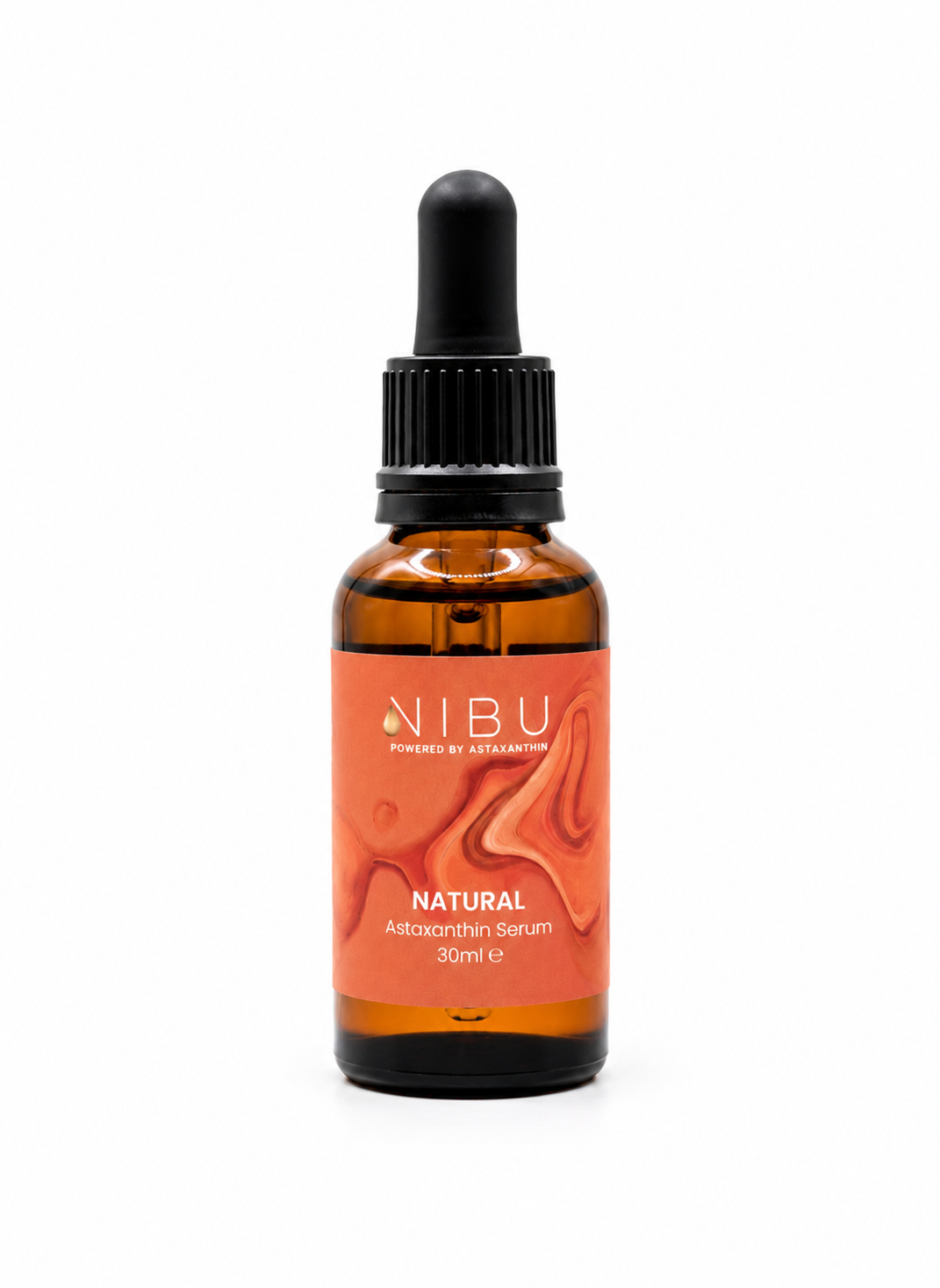
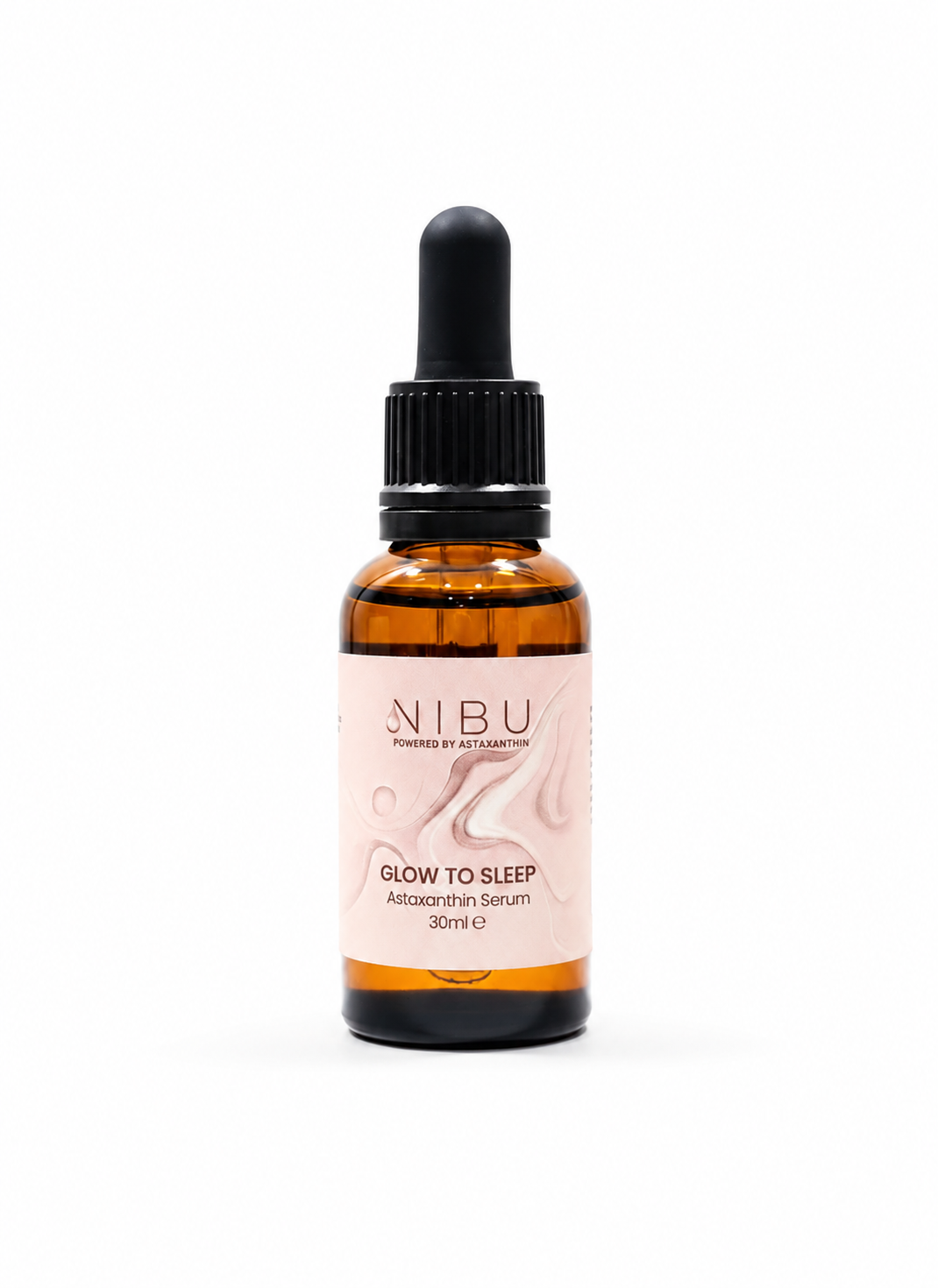
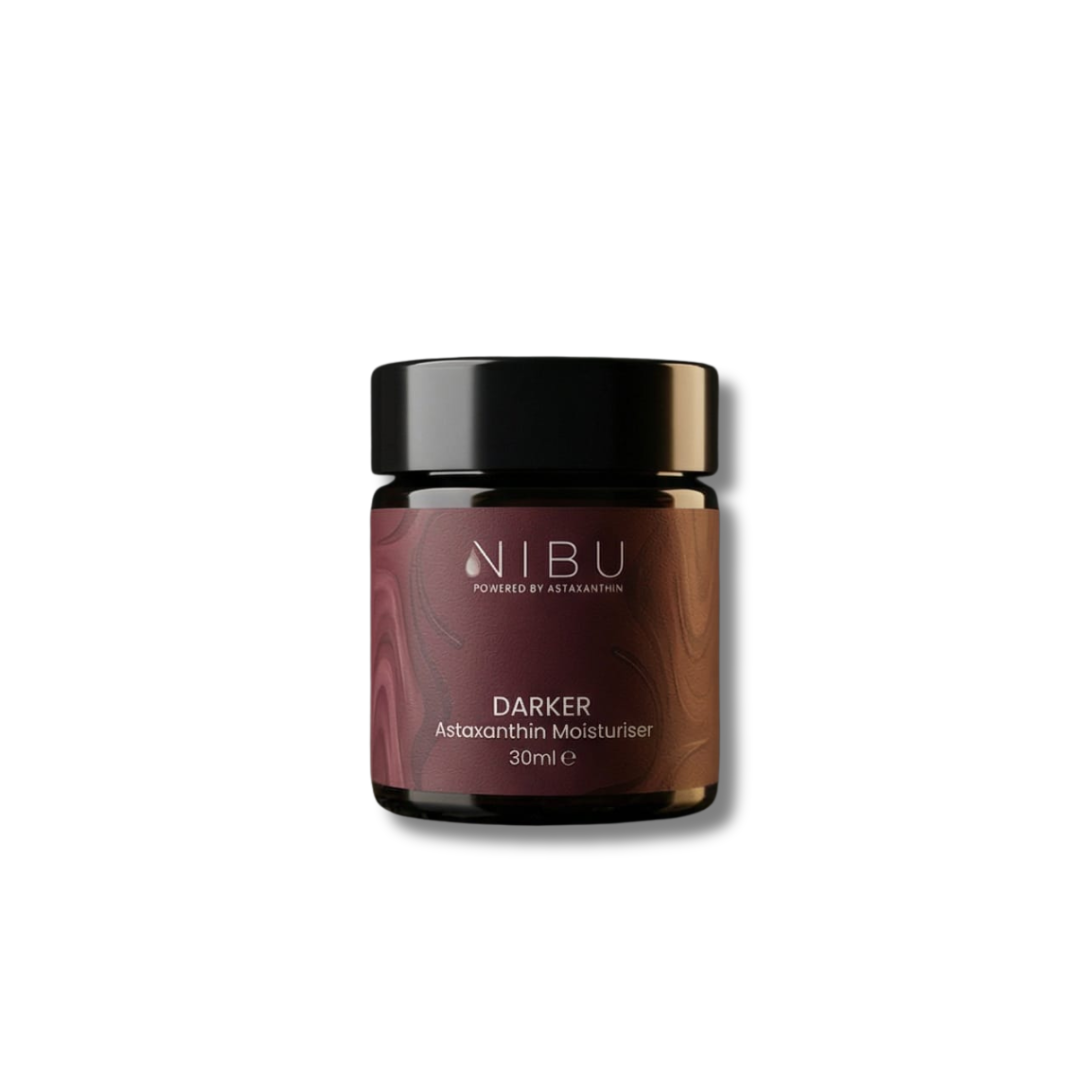
One antioxidant receiving increasing scientific attention is astaxanthin, a naturally occurring carotenoid found in certain microalgae and seafood.
Emerging evidence suggests astaxanthin may help support skin elasticity, hydration and protection against oxidative stress when used as part of a broader healthy lifestyle. While research is promising, it should be viewed as one component of a holistic approach rather than a standalone solution.
Healthy skin starts with healthy habits. Skincare products and supplements can complement those habits, but they cannot replace them.
Nibu Tip: Think of your skincare routine as the final layer of self-care, built on the foundations of nutrition, movement, sleep and sun protection.
9. Stay Socially Connected and Keep Learning
Healthy ageing isn't only about physical health.
Strong social connections are consistently associated with better mental wellbeing, greater resilience and improved quality of life as we age.
Whether it's meeting a friend for coffee, joining a walking group, or volunteering in your community, meaningful relationships provide a sense of purpose and belonging.
At the same time, keeping your brain active is equally important.
Learning a new language, taking up a hobby, reading regularly, or challenging yourself with new experiences all help keep your mind engaged.
Healthy ageing is about continuing to grow, not simply getting older.
Curiosity, connection and purpose are powerful contributors to long-term wellbeing.
Nibu Tip: Schedule time for activities that bring you joy, not just those that fill your diary.
10. Use Evidence-Based Supplements Wisely
The supplement industry is full of bold promises.
Unfortunately, not all of them are supported by good-quality evidence.
At Nibu Naturals, we believe supplements should support a healthy lifestyle, not replace one.
Before considering any supplement, focus on the fundamentals:
- A balanced diet
- Regular exercise
- Quality sleep
- Stress management
- Not smoking
- Moderate alcohol intake
Once those foundations are in place, certain supplements may provide additional support depending on your individual needs.
Examples with a growing body of evidence include:
- Vitamin D is particularly beneficial for individuals with low levels.
- Omega-3 fatty acids, which may support heart and brain health.
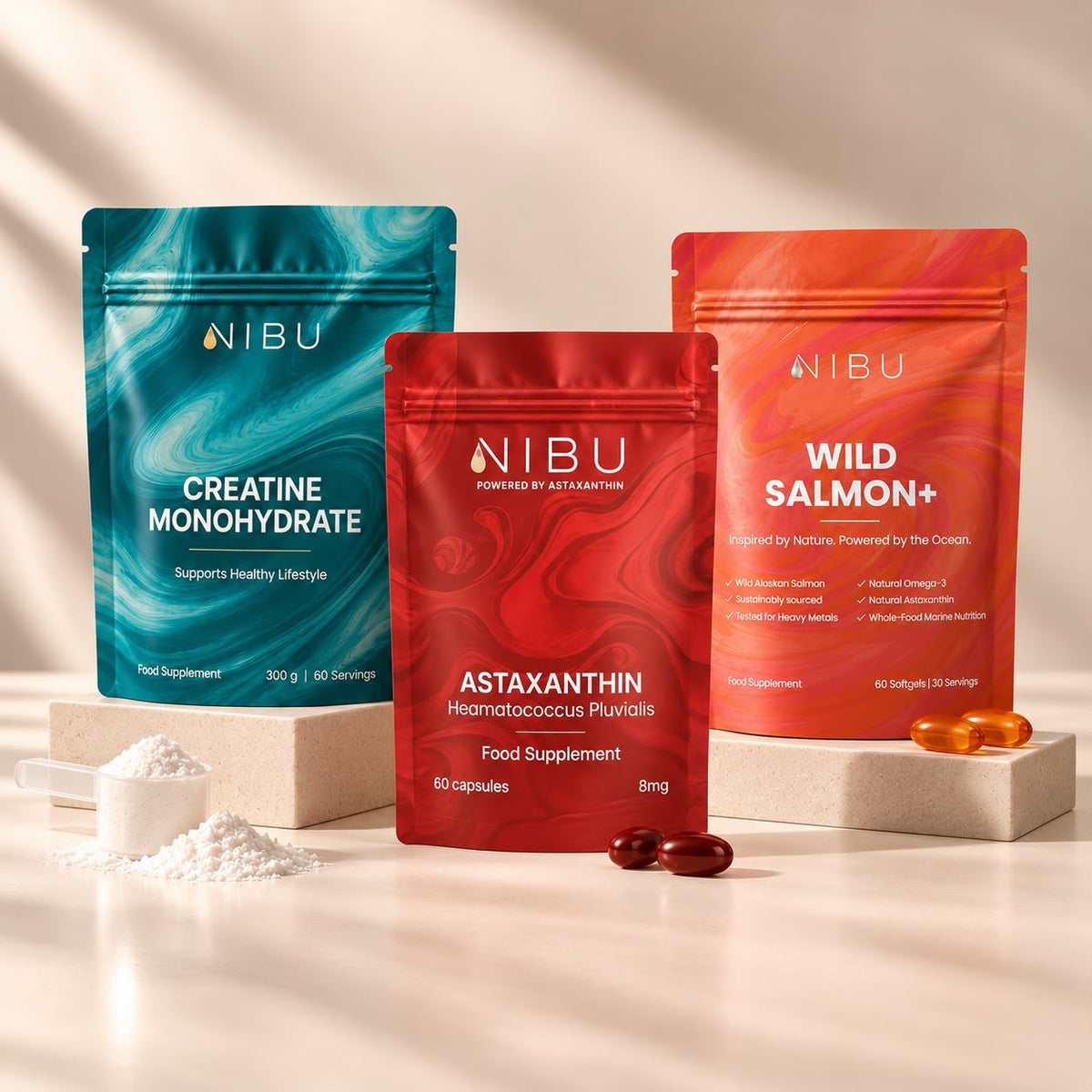
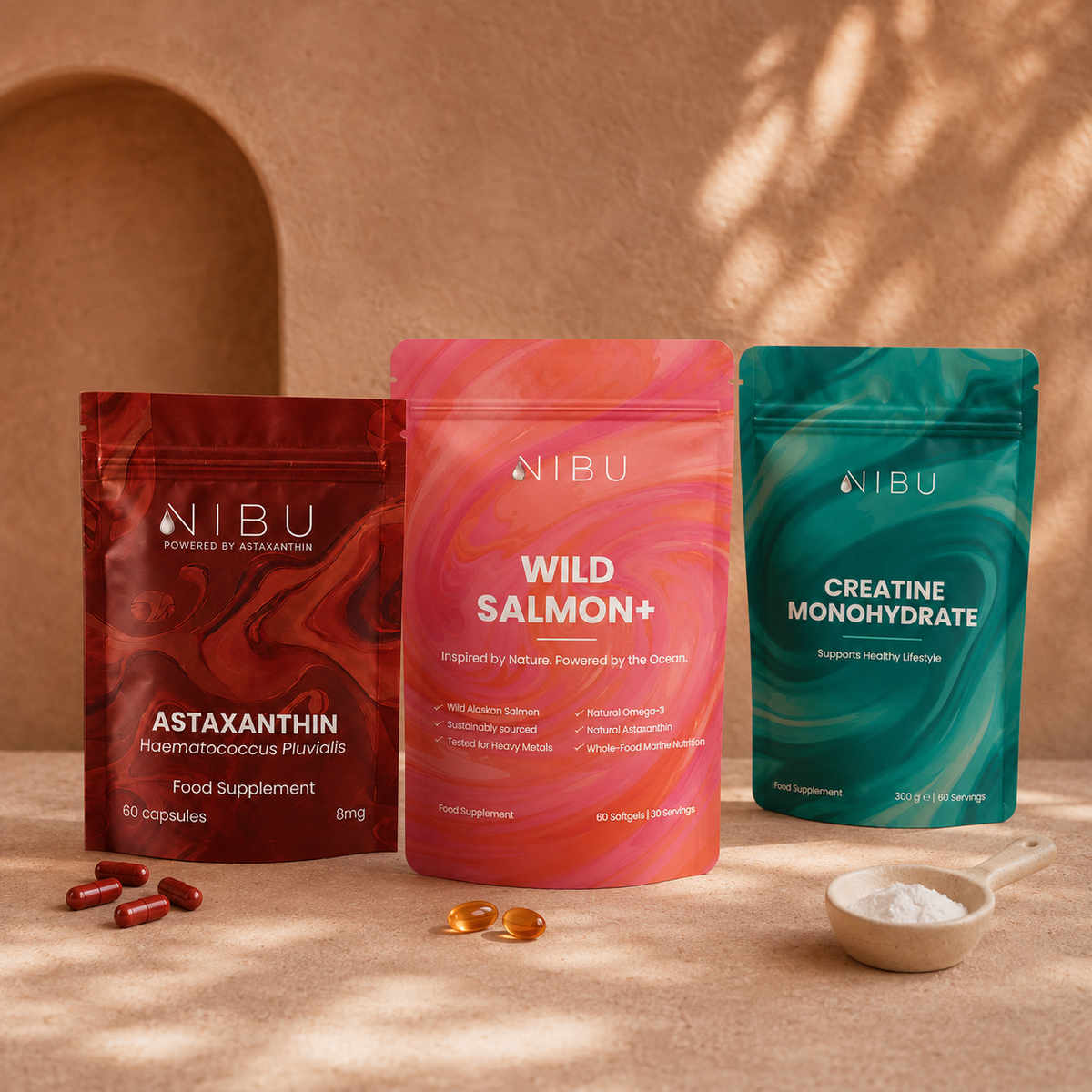
- Creatine monohydrate, which can support muscle strength and physical performance when combined with resistance training.
- Astaxanthin, which is being researched for its antioxidant properties and potential role in supporting skin and healthy ageing.
The right supplement for one person may not be the right choice for another. That's why it's important to consider your diet, health status and goals, and seek professional advice where appropriate.
Evidence should always come before marketing.
Your 10 Healthy Ageing Habits at a Glance
Sometimes, the simplest reminders are the most powerful. The table below summarises the ten habits we've explored and offers a practical first step you can take today.
| Habit | Why It Matters | Simple First Step |
|---|---|---|
| Build and maintain muscle | Supports strength, metabolism, balance and independence | Complete two resistance training sessions this week |
| Eat enough protein | Helps maintain muscle and supports recovery | Include a source of protein with every meal |
| Prioritise sleep | Supports hormone balance, immune function and recovery | Aim for a consistent bedtime most nights |
| Move every day | Improves cardiovascular health, mobility and energy | Take a 20–30 minute walk or break up long periods of sitting |
| Eat a colourful diet | Provides fibre, vitamins, minerals and antioxidants | Add an extra portion of vegetables to your lunch or dinner |
| Protect your heart | Supports long-term cardiovascular and metabolic health | Book a routine health check if you're due one |
| Manage stress | Benefits include both physical and mental wellbeing | Spend 10 minutes each day doing something that helps you unwind |
| Care for your skin | Supports skin health and protects against premature ageing | Wear a broad-spectrum SPF every day, even in winter |
| Stay connected | Supports emotional wellbeing and cognitive health | Arrange a catch-up with a friend or join a local group |
| Choose supplements wisely | Can complement a healthy lifestyle when evidence supports their use | Review your supplements with a healthcare professional if you're unsure |
Healthy ageing isn't about trying to tick every box immediately. It's about choosing one or two habits that feel achievable and building from there.
Myth vs Fact
| Myth | Fact |
|---|---|
| Ageing well is mostly down to genetics. | Genetics influences health, but lifestyle choices play a significant role in how we age. |
| It's too late to improve your health after 40. | Research shows positive lifestyle changes can improve health and wellbeing at almost any age. |
| Cardio is all you need after 40. | Cardiovascular exercise is important, but resistance training is equally essential for maintaining muscle and bone health. |
| Supplements can make up for an unhealthy lifestyle. | Supplements are designed to complement, not replace, a balanced diet, regular exercise and other healthy habits. |
| Healthy ageing means avoiding wrinkles. | Healthy ageing is about supporting your whole body, including your muscles, heart, brain, bones and skin, not simply your appearance. |
Frequently Asked Questions
What age does healthy ageing begin?
Healthy ageing begins much earlier than most people realise. While it's never too late to make positive changes, building healthy habits in your 30s and 40s can help support your health in later decades.
Is turning 40 the start of ageing?
No. We are ageing throughout our lives. Turning 40 simply marks a stage where some natural physiological changes become more noticeable, making healthy lifestyle habits even more important.
What is the best exercise after 40?
A balanced routine is usually the most effective. This should include:
- Resistance training to maintain muscle and bone strength
- Aerobic exercise for heart health
- Balance exercises
- Flexibility and mobility work
The best exercise is ultimately one you enjoy and can maintain consistently.
How much protein do women over 40 need?
Protein requirements vary depending on age, body size and activity levels. Many experts suggest that older adults may benefit from a higher protein intake than the current minimum recommendations, particularly if they are physically active or aiming to preserve muscle. A registered dietitian or healthcare professional can provide personalised advice.
Can healthy ageing prevent menopause?
No. Menopause is a natural stage of life and cannot be prevented. However, healthy lifestyle habits may help support your wellbeing during the menopausal transition and beyond.
Which supplements are most beneficial after 40?
There is no universal supplement that every woman needs. Depending on individual circumstances, supplements such as vitamin D, omega-3 fatty acids, creatine monohydrate or astaxanthin may be appropriate, but they should always complement a healthy lifestyle rather than replace one.
Is it possible to reverse ageing?
No lifestyle habit or supplement can reverse biological ageing. However, healthy habits can improve physical function, reduce the risk of many chronic diseases and help you remain healthier and more independent for longer.
Key Takeaways
- Healthy ageing is shaped by the choices you make every day, not by a single product or treatment.
- Building and maintaining muscle is one of the most effective ways to support strength, mobility and metabolic health after 40.
- A balanced diet rich in whole foods, adequate protein and colourful fruit and vegetables provides the nutrients your body needs to thrive.
- Regular movement, quality sleep and effective stress management all contribute to long-term wellbeing.
- Looking after your heart, brain, bones and skin should be viewed as part of the same healthy ageing journey.
- Evidence-based supplements may provide additional support, but they work best alongside healthy lifestyle habits.
- Small, consistent improvements often have a greater long-term impact than dramatic short-term changes.
The Nibu Longevity Take
Healthy ageing isn't about chasing youth or striving for perfection.
It's about giving your body the support it needs to keep doing the things that matter most to you.
Whether that's walking with friends, travelling with your family, playing with grandchildren, or simply feeling strong enough to enjoy everyday life, the habits you build today can influence how you feel for years to come.
The encouraging news is that healthy ageing isn't determined by a single decision or one perfect routine. It's shaped by the small choices we make every day.
- Choosing to prepare a nourishing meal.
- Taking a walk instead of staying on the sofa.
- Building strength a couple of times each week.
- Prioritising a good night's sleep.
- Making time to recover, reset and look after yourself.
These actions may seem small in the moment, but over months and years, they become the foundation of long-term health, resilience and independence.
At Nibu Naturals, we believe healthy ageing isn't about trying to turn back the clock. It's about giving your body the support it needs to thrive through every stage of life.
Alongside well-established habits such as strength training, good nutrition, quality sleep and stress management, researchers continue to explore how evidence-based supplementation, including nutrients such as creatine and naturally occurring antioxidants like Astaxanthin, may support healthy ageing as part of a balanced lifestyle.
There is no single secret to ageing well. There are simply small, consistent choices that, over time, add up to something extraordinary.
Because ageing is inevitable. Healthy ageing is something we can influence.
References
- World Health Organization. Decade of Healthy Ageing (2021–2030). World Health Organization.
- Cruz-Jentoft AJ, et al. Sarcopenia: Revised European Consensus on Definition and Diagnosis (EWGSOP2). Age and Ageing. 2019.
- Pedersen BK. The Physiology of Optimising Health with a Focus on Exercise as Medicine. Nature Reviews Endocrinology.
- UK Chief Medical Officers. Physical Activity Guidelines.
- NHS. Healthy Living.
- Morton RW, et al. Protein Intake to Maximise Resistance Training-Induced Gains in Muscle Mass and Strength: A Systematic Review and Meta-analysis. British Journal of Sports Medicine.
- Wolfe RR. The Role of Dietary Protein in Healthy Ageing. Clinical Nutrition.
- Harvard T.H. Chan School of Public Health. The Nutrition Source.
- National Institute on Aging. Exercise and Physical Activity for Older Adults.
- European Society of Cardiology. Cardiovascular Disease Prevention Guidelines.
About The Nibu Journal
The Nibu Journal is the educational home of Nibu Naturals. Our mission is to help women make informed, evidence-based decisions about healthy ageing through clear, trustworthy information grounded in the latest scientific research. Every article is written to educate first, helping you understand the "why" behind healthy habits so you can make confident choices that support your long-term wellbeing.
Medical Disclaimer
This article is intended for educational purposes only and should not be considered medical advice. It should not be used to diagnose, treat or prevent any medical condition. Always seek advice from your GP or another qualified healthcare professional before making significant changes to your diet, exercise routine or supplement regimen, particularly if you have an existing medical condition, are pregnant or breastfeeding, or take prescription medication.

Read more
Why Muscle Is One of the Most Important Organs for Healthy Ageing
Quick Answer When most people think about muscle, they think about movement, exercise or athletic performance. In reality, skeletal muscle does far more than help you lift shopping bags or climb th...
En savoir plus
Healthy Ageing After 50: Protecting Your Strength, Skin and Mind
Healthy ageing after 50 isn't about trying to stop the ageing process. It's about protecting the systems that allow you to live well for longer. Maintaining muscle, supporting bone health, eating a...
En savoir plusShop
Meilleures ventes